A dumpster dive behind Target proved that some finds can save real money, while others are better left alone.
What happened?
On TikTok, Love in the Dumpster (@loveinthedumpster) documented a discovery that led to more caution than elation.
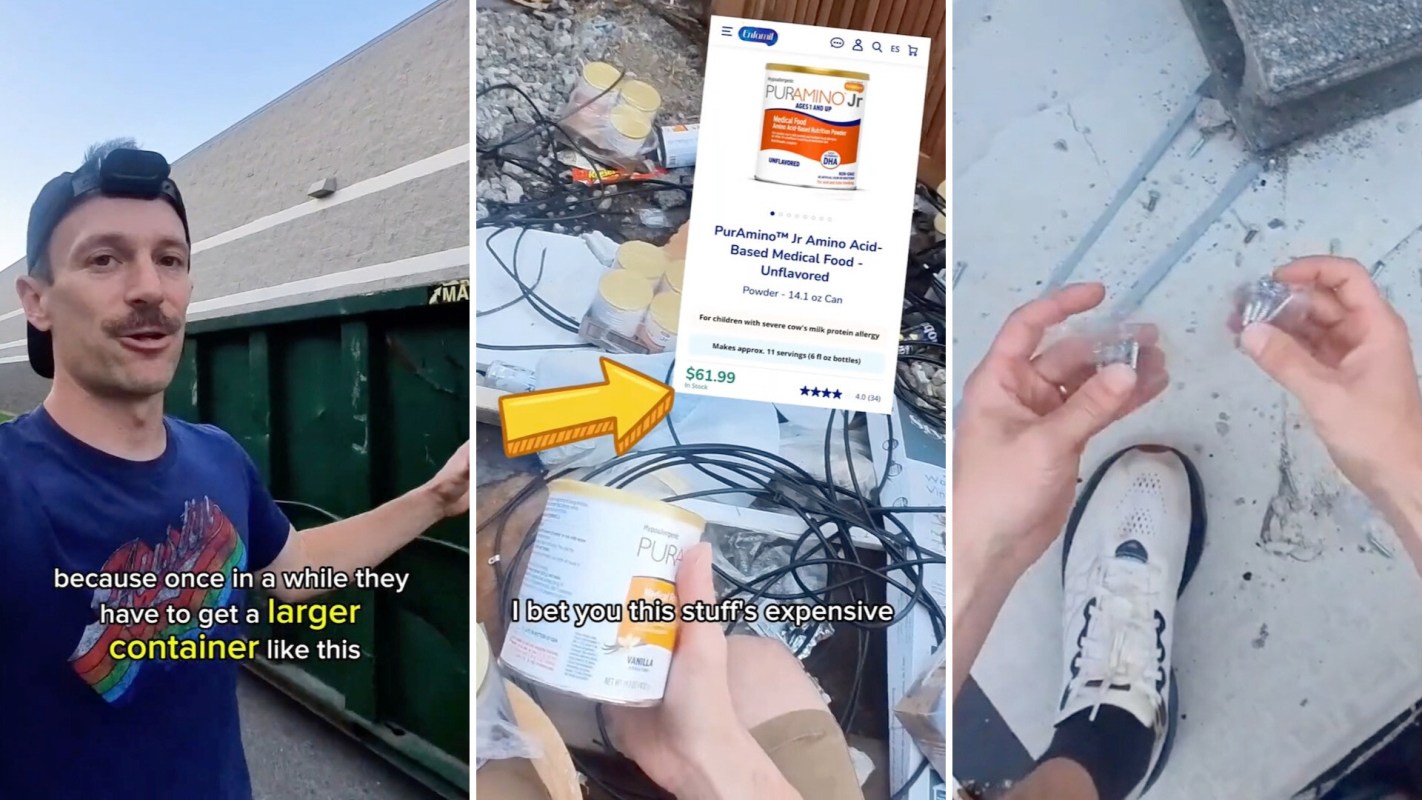
Oversized discarded items had been placed in an open container instead of the usual compactor, giving the creator a chance to look through what was inside.
Among the items in the bin was baby formula, which the creator flagged as potentially pricey, saying, "I bet you this stuff's expensive." A quick price check showed that one can costs $62, and there were at least 12 cans.
@loveinthedumpster I did let a few dumpster diving friends know about it. No judgement if they decide to grab it. #dumpsterdiving ♬ original sound - Love in the Dumpster
Any excitement over that find disappeared once they checked the date on the package. After reading the label, the creator said, "Use by March 2026. It's just expired." They added, "But with something like baby formula, uh, you're better safe than sorry. So I'm not gonna take this."
They left the formula behind and focused instead on lower-stakes items that still looked useful, such as a couple of screw packages.
TCD Picks » Quince Spotlight
💡These best-sellers from Quince deliver affordable, sustainable luxury for all




"Fasteners are expensive these days," they said.
The creator also wrote in the caption, "I did let a few dumpster diving friends know about it. No judgement if they decide to grab it."
Why does it matter?
Retail dumpsters can hold useful goods, but not every item that looks usable is smart or safe to rescue.
The savings can be significant. Hardware, tools, unopened household supplies, and reusable materials can help people avoid buying brand-new replacements as prices continue to rise. Even something as simple as a handful of salvaged screws can chip away at recurring home-improvement costs.
Infant formula is not the kind of product to take chances on. One commenter pointed to that risk directly, writing, "Please for the love of god make sure the baby formula hasn't been recalled due to fault — often is the case for retailers to throw out."
When usable nonfood items are discarded, consumers miss out on possible savings, and more materials end up in landfills. Thoughtful recovery of safe items can help reduce both household spending and unnecessary waste.
What can I do?
Underconsumption and salvage require selectivity. Nonperishable household items, hardware, furniture parts, or scrap materials may be worth considering if they are clean, legal to take, and still usable.
Products closely tied to health and safety — especially infant formula, medication, or anything that could be expired, contaminated, or recalled — require extra caution. In those cases, the savings are rarely worth the risk.
Alternatives include neighborhood free pages, reuse centers, and local salvage shops for inexpensive supplies.

Get TCD's free newsletters for easy tips, smart advice, and a chance to earn $5,000 toward home upgrades. To see more stories like this one, change your Google preferences here.