


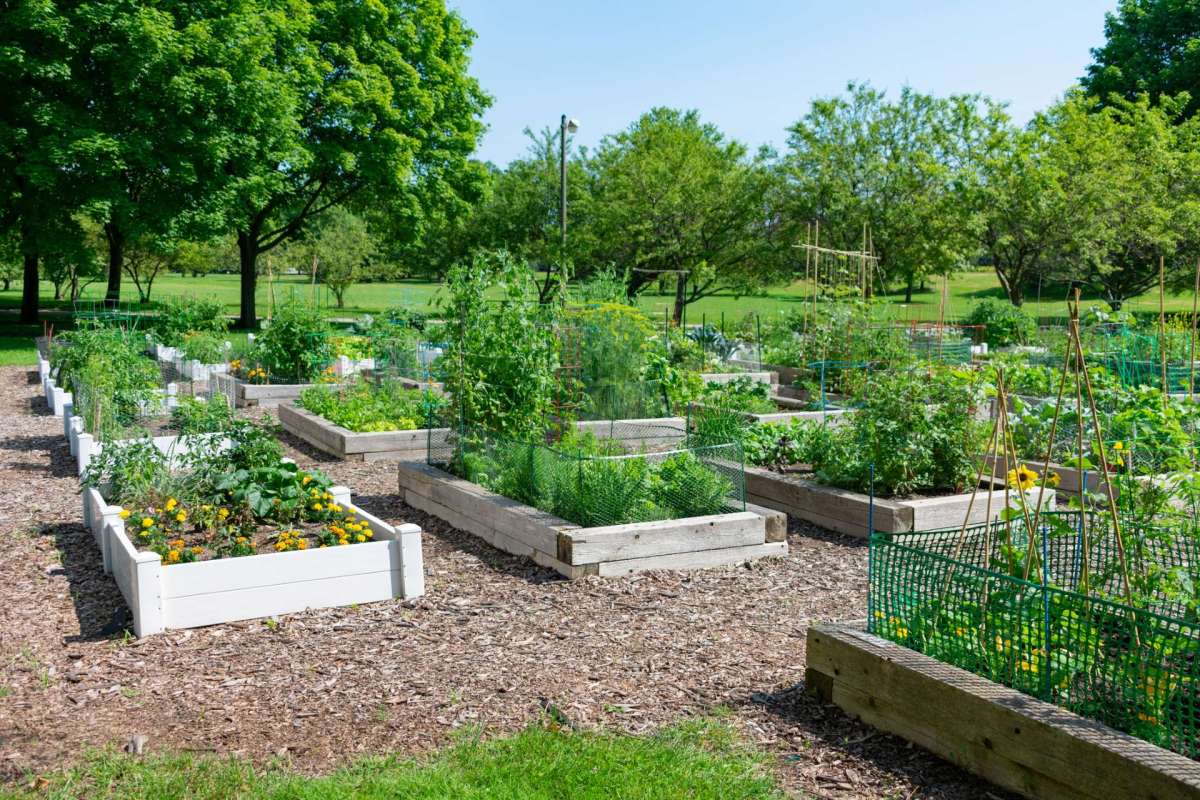
Residential designers are shifting their focus to agrihoods, neighborhoods where buildings are arranged around a central, working farm.
Vincent Mudd, a partner from the architectural firm Steinberg Hart; Lara Hermanson, co-founder of Farmscape; and Lucy Diekmann, an urban agriculture and food systems advisor, are among those who have suggested these projects.
"Developers have a hard time offering open space, because they would like to build more housing," Mudd said, per Grist. "One of the few ways to kind of bridge that gap is to be able to use active open space that actually generates commerce."
Steinberg Hart has finished two agrihoods: one in Santa Clara, south of San Francisco, and Fox Point Farms in Encinitas, north of San Diego. Both communities incorporate housing and a selection of businesses. The former includes a community center, while the latter has a farm-to-table restaurant and an event venue.
"Almost every city has the ability to make that zoning change, because it retains commerce, preserves jobs, generates sales tax income from retail, and provides mixed-income, attainable housing," Mudd added.
The communities differ in the types of housing they offer, with the former holding townhouses and rental units, while the latter has separate dwellings to buy. Each property suited the character of the area where it was built, illustrating that this concept isn't just for one economic class or type of neighborhood.
There are challenges in this type of construction; for example, not every urban area has the water infrastructure needed to support a working farm. On the other hand, this type of agricultural development, as opposed to a paved-over urban development, actually helps soak up rainwater and prevent flooding.
And, of course, these farms can produce food.
In fact, Grist cited a study that found Los Angeles could support a third of its residents' vegetable needs by growing vegetables on empty lots.
"It's incredible what we could do with what we have, and what we could do even more with intentional planning," said social scientist Catherine Brinkley of the University of California, Davis, who studies urban agriculture, per Grist.
TCD Picks » Quince Spotlight
💡These best-sellers from Quince deliver affordable, sustainable luxury for all




Urban farming is a great way to turn unused and often ugly spaces into beautiful and productive ones, as many homeowners and organizations are proving every day.
|
Which of these savings plans for rooftop solar panels would be most appealing for you?
Click your choice to see results and earn rewards to spend on home upgrades. |
 Save $1,000 this year 💸
Get TCD's free newsletters for easy tips to save more, waste less, and make smarter choices — and earn up to $5,000 toward clean upgrades in TCD's exclusive Rewards Club.
Cool Picks




