


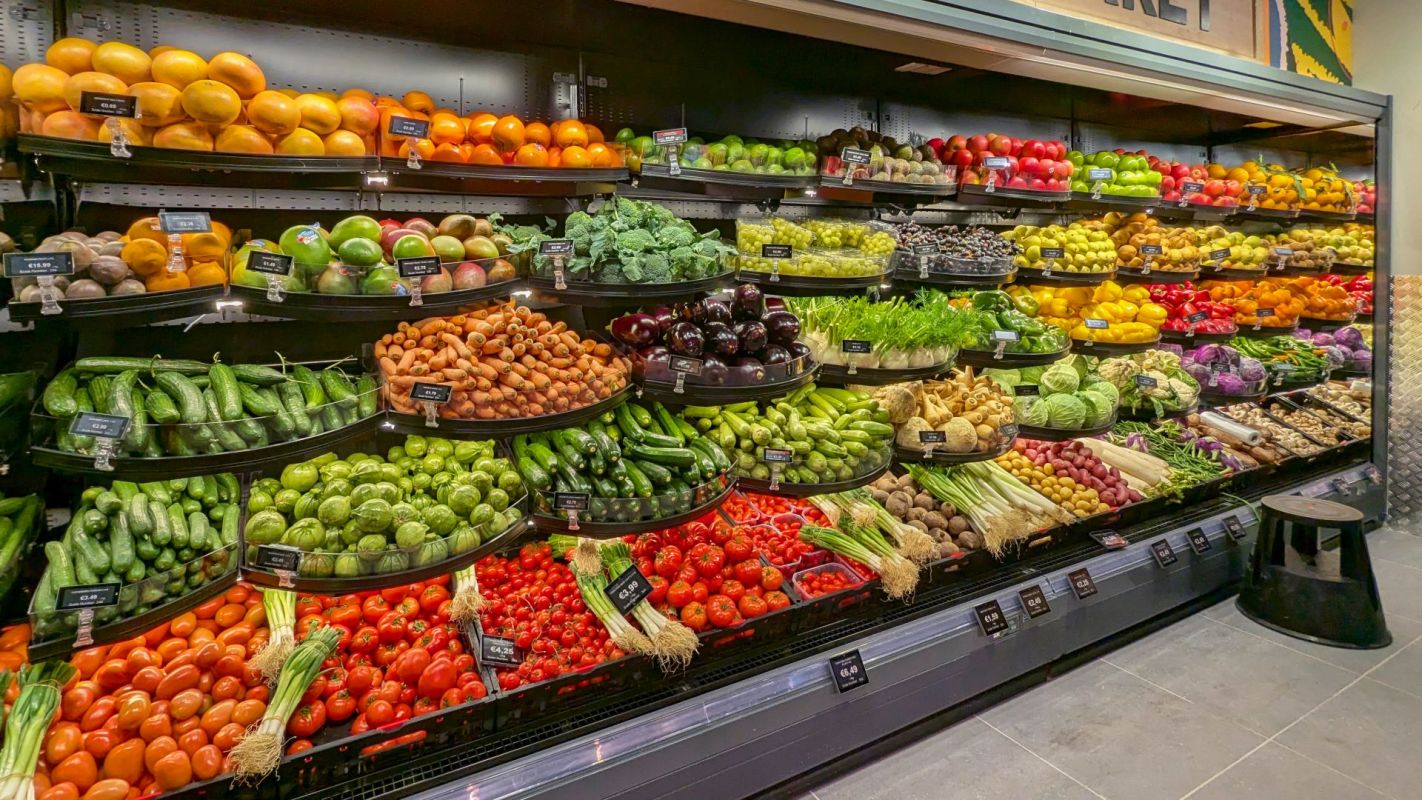
Multiple supermarkets in Ireland have recalled batches of desiccated coconut because of suspected plastic contamination.
This finely ground, dry coconut product may contain plastic particles, posing a threat to people's health and safety.
What's happening?
As RSVP Live reported, the Food Safety Authority of Ireland issued a recall of desiccated coconut at Dunnes Stores, Tesco, Supervalu, and other grocery stores.
Many people use desiccated coconut for baking. So, the organization released a list of potentially contaminated product names and batch numbers and advised: "Consumers are advised not to eat the implicated batches."
Grocery stores are removing the affected batches of coconut and displaying recall notice signage. Meanwhile, distributors and wholesalers of the product have been asked to contact their retail customers and provide point-of-sale notices.
Why are plastic pieces in food a problem?
Accidentally consuming plastic can cause gastrointestinal distress, internal injuries, and intestinal blockage. It can also cause people to choke if the plastic gets lodged in the esophagus or throat.
TCD Picks » Quince Spotlight
💡These best-sellers from Quince deliver affordable, sustainable luxury for all




There is also the hidden risk of ingesting microplastics, which are less than 5 millimeters in size but pose significant health risks, according to a growing body of evidence. Microplastics often release harmful chemicals like BPA and phthalates into the body that may interfere with people's hormones, brain development, and make them more at risk of serious diseases.
People are already exposed to concerning levels of microplastics from plastic food packaging. Therefore, larger pieces of plastic, like those suspected in the coconut recall, exacerbate the growing problem of plastic contamination in the human diet.
What's being done to keep plastic out of our food supply?
Unfortunately, it has been disturbingly common to discover dangerous chemicals in grocery store products and to encounter chemical contamination in our favorite foods.
Recalls, like this one in Ireland, remove toxic food products from store shelves and help people avoid becoming ill from the food they buy. More broadly, it would be beneficial to reduce the use of plastic in food production and packaging to lessen the risk of oversights and manufacturing mishaps.
|
Do you think forever chemicals should be banned from all products? Click your choice to see results and speak your mind. |
 Yes 👍
Yes 👍 Although the full impacts of microplastics on the human body are still largely unknown and the subject of ongoing research, we already know that any amount of plastic negatively impacts human health.
To be an educated consumer, pay attention to recall notices when you encounter them at the stores where you shop.
You can also take an active approach to avoiding plastic in your daily life as much as possible. For example, store food in reusable glass or metal containers instead of plastic ones, and eliminate single-use coffee products from your morning routine.
Fortunately, there are many plastic alternatives available today for everything from health and beauty products to water bottles and the foods you buy. Every time you reject plastic throughout the day, you set a sustainable example of how to reduce nonbiodegradable waste and minimize health risks.

Join our free newsletter for easy tips to save more and waste less, and don't miss this cool list of easy ways to help yourself while helping the planet.







