


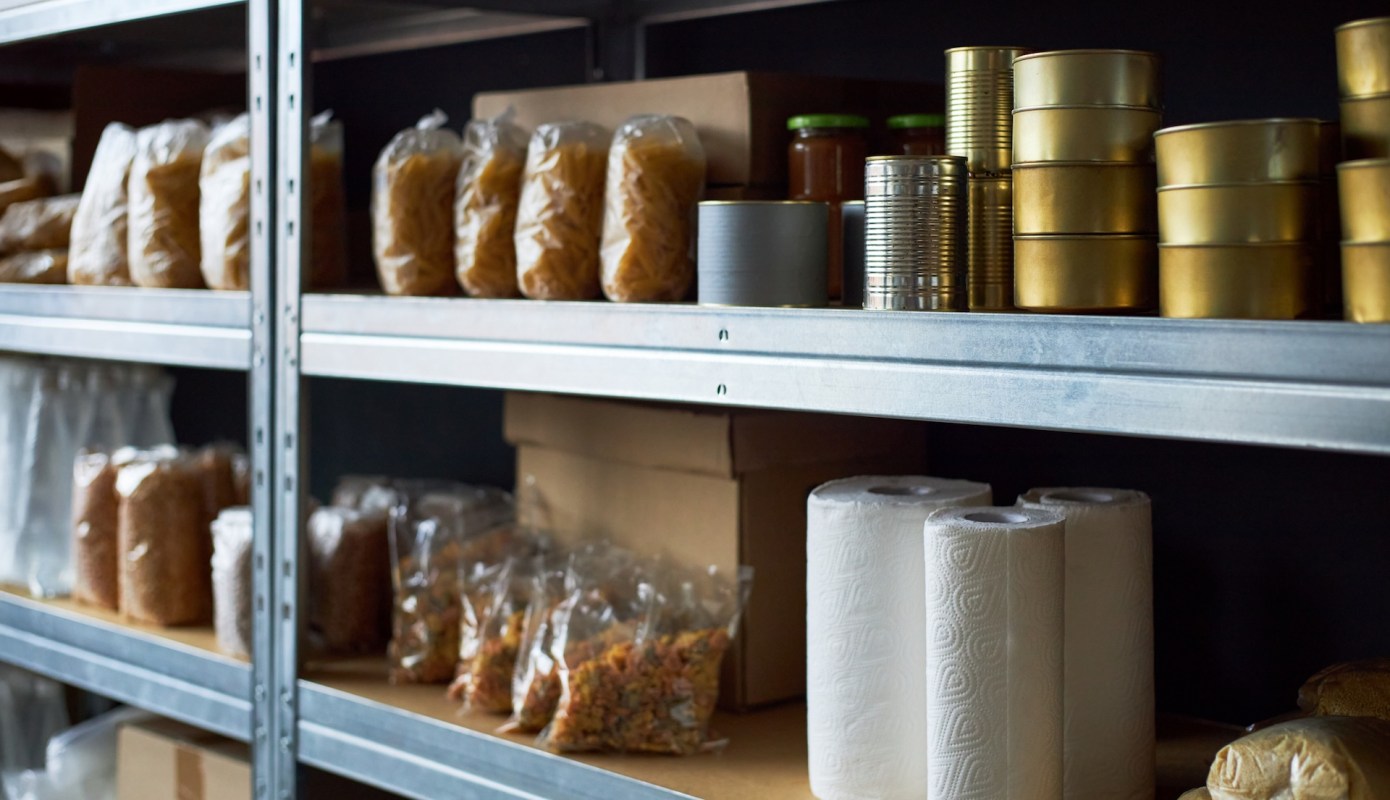
If food prices rise, figuring out what qualifies as a reasonable pantry cushion can feel murky. A handful of backup items may not seem like enough, but a larger stock can start to feel like overdoing it.
A Reddit post in r/TwoXPreppers captured that tension. The person behind it said they had been setting food aside for "this winter and beyond" — including pasta, rice, beans, and 80 cans of fruit and vegetables — but still wondered whether the supply was both too small and a sign they were "being paranoid about how bad it could get."
Here's what to know
The poster explained that the goal was to soften the blow of rising costs, especially on a limited budget, rather than to indulge in disaster scenarios. "I am worried that food will be tight this winter and that prices will get really high. I am somewhat low income and am hoping this will protect me from price increases."
Instead of offering a standard pantry target, many commenters steered the conversation toward meal planning and personal habits. One commenter advised: "Put together a menu for 3 meals a day for 1 month. Be honest, do you snack? Drink anything other than water? Use spices? Etc?"
Another commenter shared a food safety tip: "Do Not leave the pasta in the box. It can develop weevils. Rice can too."
Many commenters said the right amount depends on what a household actually eats and how long it is trying to cover.
TCD Picks » Quince Spotlight
💡These best-sellers from Quince deliver affordable, sustainable luxury for all




For readers looking for a rough benchmark anyway, one commenter provided a 100-day, staples-only estimate for a family of four. According to that commenter, the total came to about 90 pounds of rice, 70 of beans, 40 of oats, and 55 of flour.
More background
Another recurring idea was the "deep pantry" model, which means keeping extra amounts of foods a household already uses and then replacing them as those items get eaten. Commenters said that approach can help people buy ahead when prices are reasonable, avoid expensive last-minute grocery runs, and cushion a temporary hit to income.
One commenter said, "The six-month 'deep pantry' may sound excessive to some, but it has been a financial lifesaver on multiple occasions and has helped us stay ahead of inflation even when we haven't been in crisis mode."
Commenters also emphasized that a pantry built only around staples may still fall short in practice. Rice and beans can provide a cheap foundation, but commenters said they work much better alongside oil, sauces, canned tomatoes, spices, and other basics that add flavor.
What can be done?
The main takeaway was to stock up based on normal cooking habits rather than inventing a separate emergency diet. In practice, that means using what you have, checking expiration dates, and replacing items during regular grocery trips so your supply stays fresh and usable.
Replies also expanded the idea beyond shelf-stable carbs. Frozen vegetables and meat can be part of a deep pantry if freezer space is available, and commenters noted that dry goods kept in paper or plastic may need repackaging if they sit for a while. One commenter warned, "If something in paper or plastic is going to sit in your storage more than a few weeks you probably need to repackage it."
Another point commenters made was that emergency food is not meant to sit apart from the rest of a household plan. Drawing it down can be the moment to stretch meals, cut back spending, and actively look for ways to replenish supplies.
As one commenter put it, "You don't go into the emergency food and just cross your fingers. If you're drawing down the emergency food it is officially an emergency and you need to treat it as such, and dedicate your time and energy to finding more ways to survive that emergency, in case it is longer than you are prepared for."
Where can I learn more?
If you're considering stocking up due to high grocery bills, the articles below dig into what's behind those rising costs. They look at the weather, inflation pressures, and supply problems pushing everyday food prices higher.
• After a wet winter, record-breaking price increases slam pantry staples as crops have been left rotting.
• Across Europe, surprising factors driving surging food prices are putting more pressure on grocery bills.
• Ukraine's central bank says recent inflation data shows fertilizer shortages still hitting grocery bills.
• In Australia, experts say driving up the cost of groceries is a dangerous misconception.
• In India, a major factor driving prices for everyday groceries points to crop vulnerability.

Get TCD's free newsletters for easy tips, smart advice, and a chance to earn $5,000 toward home upgrades. To see more stories like this one, change your Google preferences here.







