


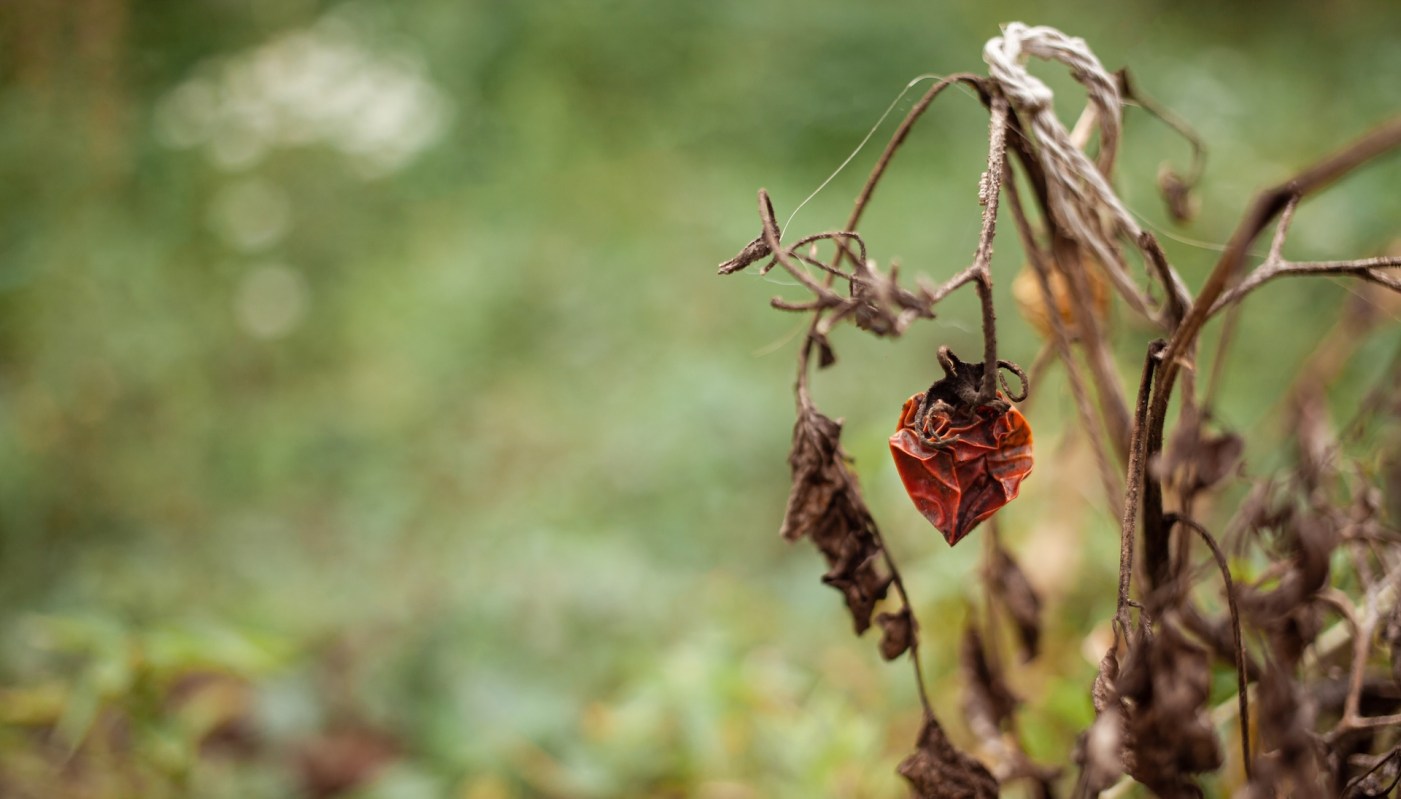
Staple crops worldwide are feeling the effects of changing weather patterns, soaring temperatures, and unprecedented climate disasters. The latest farmers to feel the impact are those growing guava in South Asia, Mongabay reported.
What's happening?
For more than 200 years, the Barisal Division of Bangladesh has been known for producing many guava varieties. Farmers have reported that the drought caused by rising temperatures has significantly affected their flowering season in April and May since 2023.
Guava farmer Haralal Halder shared that the heat had caused premature abscission of one-third of his crop's blossoms. "The weather change is unprecedented. The blossoms die due to late arrival of [the] monsoon," Haralal told Mongabay.
Three South Asian countries — Bangladesh, India, and Pakistan — account for almost half of global guava production, according to Tridge. All three countries have faced unfavorable weather patterns, including changes in annual rainfall, since 2019. While irrigation is adequate across all areas, the Barisal-based orchards depend on live canals, which have made it difficult for them to protect their premature blossom and fruits.
Climatic shifts have caused more problems than just a reduced yield. A change in rainfall and temperature has caused lower-quality crops, delayed ripening, and altered chemical composition.
Why is a decline in guava production concerning?
Guava is an important crop for people in South Asia. It is called the "apple of Bangladesh" for its medicinal value, quality, and taste, according to the Daily Observer.
As this crop is in such high demand, there is a thriving industry around it. When temperatures rise and rainfall decreases, this affects the livelihoods of all the farmers growing the crop and increases the prices for residents who rely on it, a phenomenon called heatflation.
While the yield of guava may not be a big deal to those in the U.S., heatflation affects us all. Locally in the U.S., food prices have already increased by 25% from 2019 to 2023, according to a report by the U.S. Department of Agriculture. Globally, food prices are increasing year over year and will rise significantly by 2035. Rising temperatures are also affecting melons, bananas, and avocados, among others.
What's being done about the decline in guava production?
G.M.M. Kabir Khan, a horticulture specialist at the Barisal Department of Agricultural Extension, told Mongabay that farmers are starting to switch guava crops to more resilient crops, such as hog plum and banana.
Farmers are also looking into more climate-resilient crop varieties and alternative ways to grow crops, such as using greenhouses or changing growing schedules.
TCD Picks » Quince Spotlight
💡These best-sellers from Quince deliver affordable, sustainable luxury for all




|
Do you think kids learn enough about gardening in school? Click your choice to see results and speak your mind. |
 Not even close 🧑🌾
💰Get TCD's free newsletters for easy tips to save more, waste less, and make smarter choices — and earn up to $5,000 toward clean upgrades in TCD's exclusive Rewards Club.
Cool Picks




