


Black specks in peppercorn cheese or gray spots on Tyrolean grey cheese are not unexpected. But that's not what prompted Costco to recall some of its cheese.
So, what was the cause? Contamination concerns over the discovery of plastic matching the same colors.
What's happening?
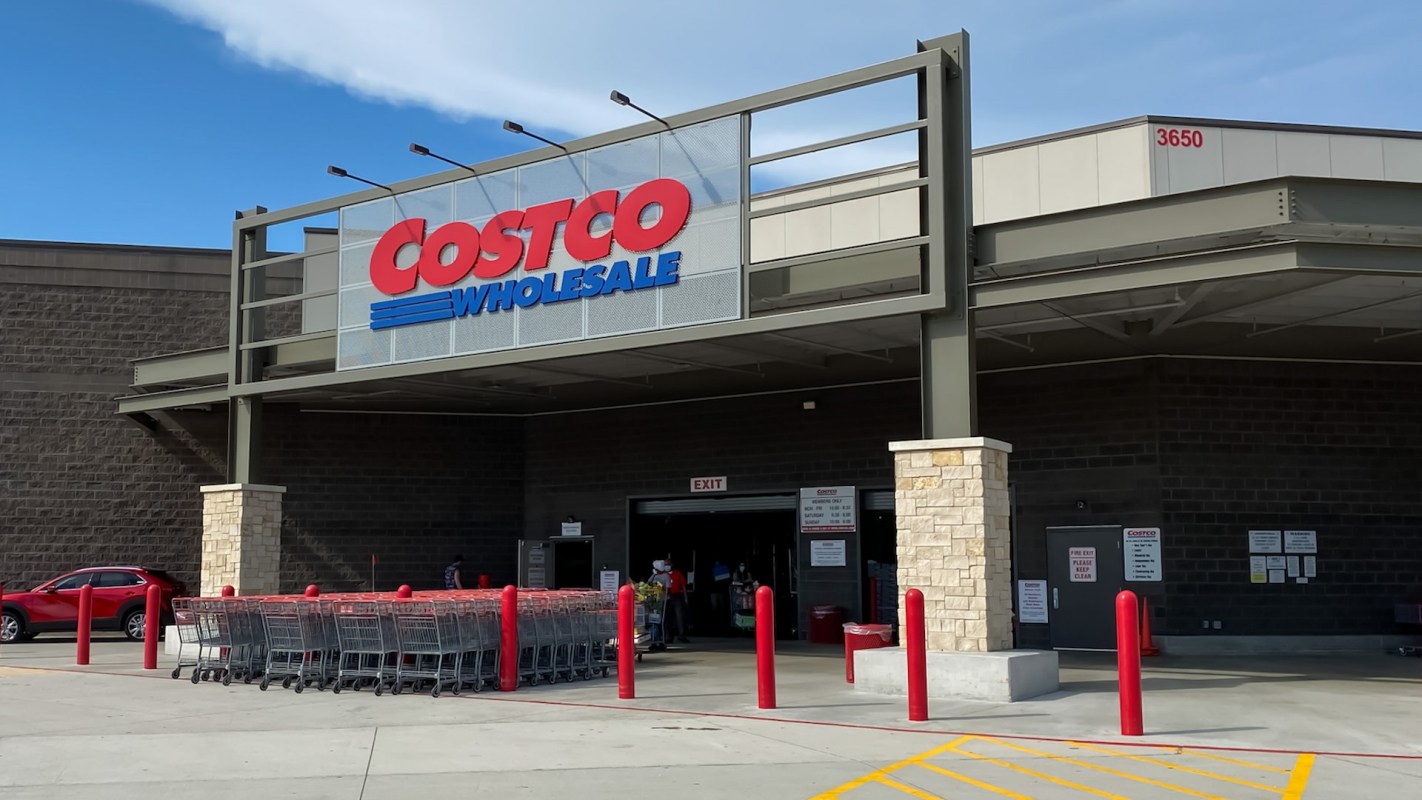
In a letter to consumers, Costco and Tillamook announced a recall of select Tillamook cheese slices due to the possible presence of plastic bits.
The affected products mentioned in the letter were 32-ounce twin-packs of Tillamook Colby Jack and Monterey Jack cheese slices, sold exclusively in Costco's Northwest region, with a best-by date of Oct. 22, 2024. The packaging may contain pieces of gray or black plastic, possibly introduced during manufacturing.
According to Forbes, Costco advised customers to return the cheese in-store for a refund.
Why is this recall concerning?
Plastic doesn't belong in your food — not on the packaging, and certainly not inside the product itself. Yet accidents like this highlight how deeply our food systems depend on plastic at every stage, from processing to packaging.
Even when consumed in tiny, invisible amounts, microplastics can enter the body and build up over time. Scientists don't fully understand the long-term health effects. But early research has linked microplastic exposure to inflammation, hormone disruption, and potential impacts on fertility.
The bigger concern? This isn't a one-off. Similar contamination incidents have surfaced across food categories — from plastic in Kraft singles to tire residue in vegetables. Each case contributes to growing unease about how industrial food production, lax oversight, and excessive reliance on plastic are putting consumers at risk.
Beyond personal health concerns, plastic contamination also adds to a growing waste problem. Most plastic used in food packaging isn't recycled and can linger in landfills or ecosystems for centuries, harming wildlife and polluting water sources. The more we rely on plastic, the harder it becomes to keep it out of our bodies and the environment.
What's being done about plastics in food?
Recalls like this one don't fix the root of the problem — they just catch it after the fact. However, they do shed light on a bigger issue. Increasingly, more people, including health advocates and watchdog groups, are advocating for stricter regulations on the use of plastics in food production.
TCD Picks » Quince Spotlight
💡These best-sellers from Quince deliver affordable, sustainable luxury for all




|
Should the government ban gas stoves? Click your choice to see results and speak your mind. |
 Yes 💯
Yes 💯 In the meantime, many people are trying to reduce plastic use in their kitchens. That might include buying from local markets, choosing loose produce instead of shrink-wrapped bundles, or sticking with companies that use safer, low-waste packaging. Even things like mushroom-based containers and edible wraps are emerging as new ideas gain traction.
Stories like this Tillamook recall are reminders of why change is needed — and how both industry and individuals can help steer it.

Join our free newsletter for easy tips to save more and waste less, and don't miss this cool list of easy ways to help yourself while helping the planet.
Cool Picks




