


The benefits of gardening are comprehensive and generally overlooked, though it's a far healthier alternative to purchasing groceries from the local grocery store.
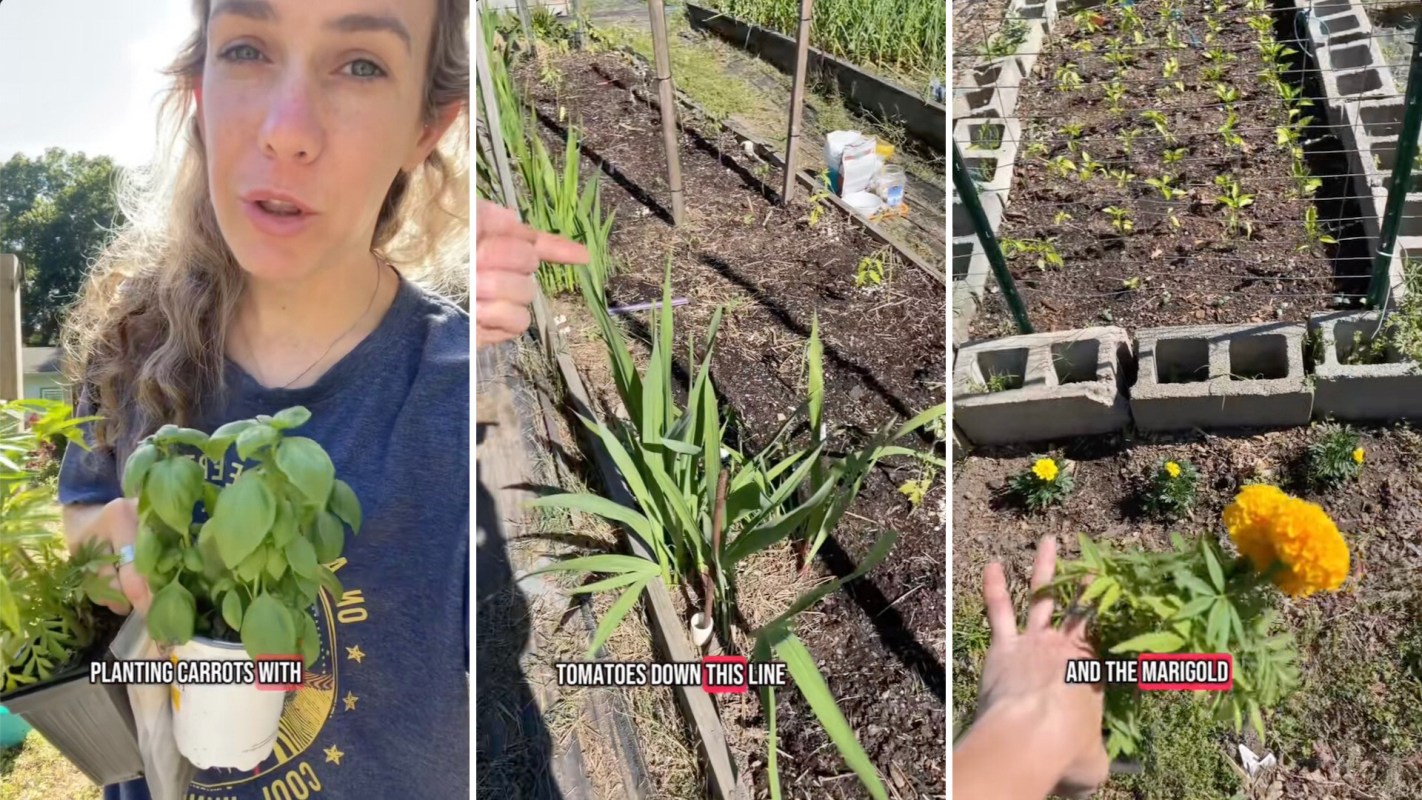
TikToker Laura (@dirtandwinemom) takes an all-purpose approach, teaching new gardeners how to grow their food and protect their food supply with a careful selection of companion plants.
@dirtandwinemom Companion planting. Put those flowers and herbs everywhere! I don't worry too much if something like marigold shouldn't be with brassicas for instance. But I do try to add flowers and herbs where I know they'll help! It isn't always perfect but when is anything ever… #companion #garden #companionplanting #gardening #gardentips #marigold #basil #borage ♬ original sound - DWM Homestead
As one response post put it: "This is a really great explanation."
The scoop
Companion planting isn't just about strategically placing plants to produce a pretty aesthetic. It's a form of beneficial symbiosis, one plant effectively helping the other to survive and flourish.
The OP's careful selection of specific plants includes basil, tomatoes, borage, cucumbers, marigolds, and peppers, all of which work together to produce food and companion benefits.
How it's helping
The basil, combined with the tomatoes, generates a strong scent that serves as a pest deterrent, rather than using harsh chemicals. The borage grows spiky leaves, staving off caterpillars capable of devastating the plants.
The marigolds are famous for controlling nematodes, producing a pungent aroma that hornworms, whiteflies, thrips, and aphids detest. With the marigolds shielding the tomatoes and cucumbers, both can grow and produce with minimal interference.
Plus, marigolds provide another invaluable benefit; they attract pollinators, and not the kind that gardeners need to worry about.
Companion planting can be complex, but mastering the craft will produce better soil, allow plants to thrive, and stave off insects capable of wiping out a harvest in short order.
Besides planting and gardening, the health benefits are tremendous and also overlooked more often than not.
TCD Picks » Quince Spotlight
💡These best-sellers from Quince deliver affordable, sustainable luxury for all




|
Do you think kids learn enough about gardening in school? Click your choice to see results and speak your mind. |
 Not even close 🧑🌾
 Gardening involves activities like digging, planting, weeding, and watering, all significant calorie-burning routines, up to 330 calories an hour, according to the Centers for Disease Control and Prevention.
Sun exposure boosts vitamin D levels, and a meta-analysis, published in the journal Preventive Medicine Reports, linked gardening to reductions in depression and anxiety.
Home gardening saves money in the long term, producing food that costs no more than the price of the seeds, reducing waste, and cutting reliance on expensive store-bought produce.
Lastly, companion planting optimizes gardening space, filling gaps where appropriate, shading the soil, and allowing more produce in smaller areas.
What everyone's saying
It's always good to see wholesome gardening videos that teach things others are willing to learn and adapt to their own scenarios.
For instance, one response post learned something about aphids and marigolds: "So, aphids don't like marigolds? I should plant them close to my roses then."
Another response came from a Floridian, dealing with a different situation but embracing companion planting all the same: "Love companion planting! I've been learning about trap crops lately. We're super buggy down here in FL. Anything to help get a good harvest!"

Join our free newsletter for easy tips to save more and waste less, and don't miss this cool list of easy ways to help yourself while helping the planet.
Cool Picks




