


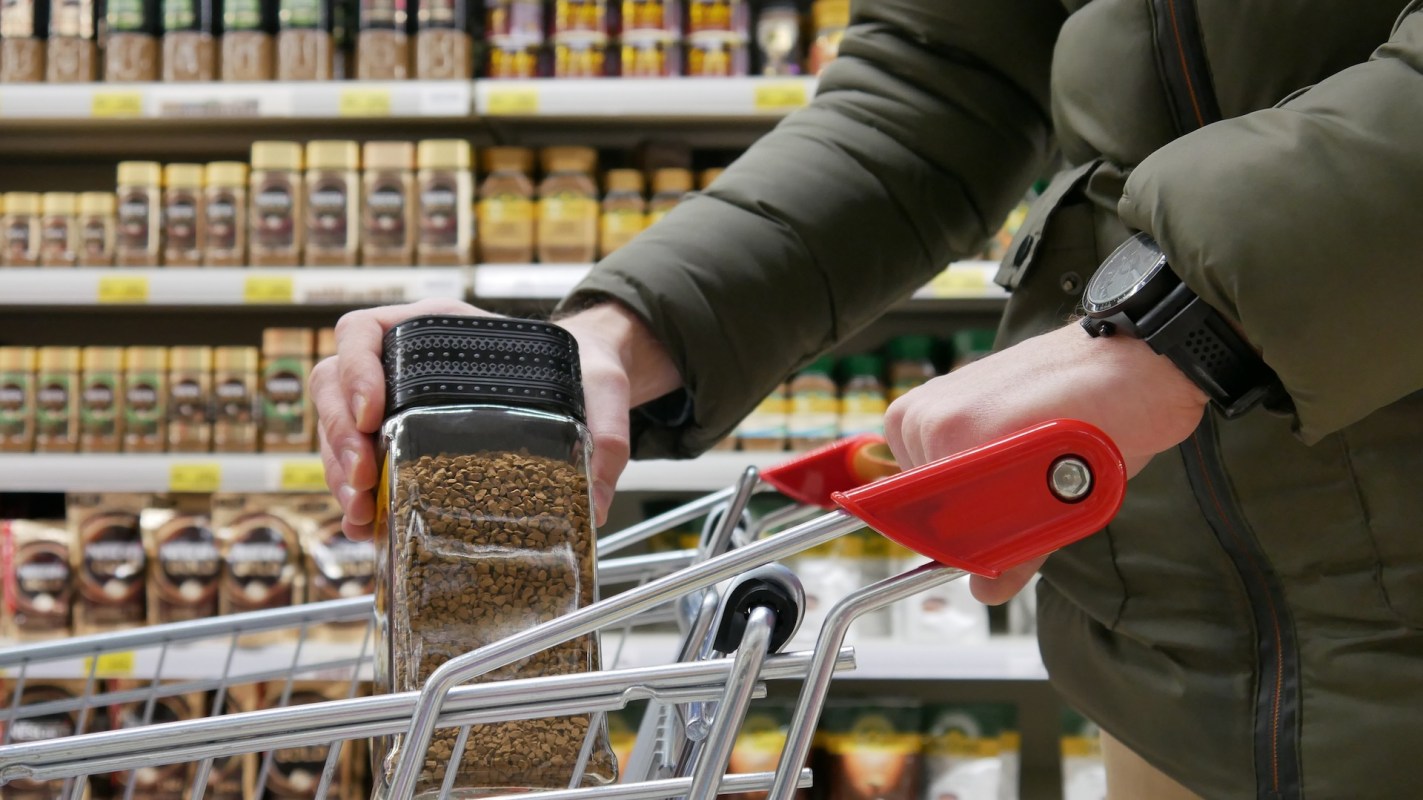
Spikes in coffee prices may mean sticker shock wakes you up before your daily cup of Joe does.
What's happening?
Coffee prices in the U.S. are now at or near a decade-high, according to long-term pricing data that track costs back to the mid-1980s.
As of September, roasted coffee sold in stores cost about 41% more than it did 12 months earlier, jumping from an average of $6.47 to $9.14 per pound, according to the Bureau of Labor Statistics.
Consumers have been vocal about the increases, as CNBC Make It observed.
TCD Picks » Martie
💡Martie makes it easy to find quality food at massive discounts while helping to fight food waste





The outlet spotlighted one TikTok video posted in August featuring 52-year-old Chuck Smith, who showed receipts for a 38.2-ounce tub of Maxwell House coffee at his local Walmart in Indiana, which had nearly doubled in price to $21.44 in under a year.
"This is ridiculous," Smith said in the video.
Coffee prices are jumping because extreme weather is making coffee harder to grow. Hotter temperatures, droughts, and unpredictable conditions are hurting crops in major coffee-growing countries, which means less coffee is making it to market. When supply drops, prices go up.
Why are coffee prices concerning?
Coffee is just one example of a much bigger issue. Grocery prices overall have continued to rise, squeezing household budgets.
Save $10,000 on solar panels without even sharing your phone number Want to go solar but not sure who to trust? EnergySage has your back with free and transparent quotes from fully vetted providers in your area. To get started, just answer a few questions about your home — no phone number required. Within a day or two, EnergySage will email you the best options for your needs, and their expert advisers can help you compare quotes and pick a winner. Solar panels can save you more than $50k over their 25-year lifespan, and EnergySage can help you save as much as $10k on installation. Which begs the question — isn't that worth an email or two? |

But, despite this, food in the U.S. goes to waste every day. An estimated 30% to 40% of the nation's food supply goes unsold or uneaten every year. Essentially, shoppers are paying more at checkout while perfectly good food is thrown away.
That waste has real consequences. When food ends up in landfills, it releases methane, a powerful heat-trapping gas that accelerates climate change. At the same time, rising food prices make it harder for families to afford staples, increasing food insecurity and financial stress.
|
How do you normally get your coffee? Click your choice to see results and speak your mind. |
 From a barista 💸
 What's being done about coffee prices?
One growing solution focuses on cutting waste while helping people save money. For shoppers looking to reduce grocery bills without sacrificing quality, companies like Martie offer a different approach.
Martie sells highly discounted groceries and household essentials by rescuing overstock and surplus inventory that would otherwise go to waste.
This model helps keep usable food out of landfills and makes groceries more affordable during a time when prices feel out of control.
For everyday shoppers, choosing discounted surplus goods, planning meals to avoid spoilage, and supporting businesses that prioritize waste reduction can make a meaningful difference.
As coffee prices continue to rise, it's clear that saving money on food isn't just about cutting back. It's about smarter systems.

Get TCD's free newsletters for easy tips to save more, waste less, and make smarter choices — and earn up to $5,000 toward clean upgrades in TCD's exclusive Rewards Club.
Cool Picks




