


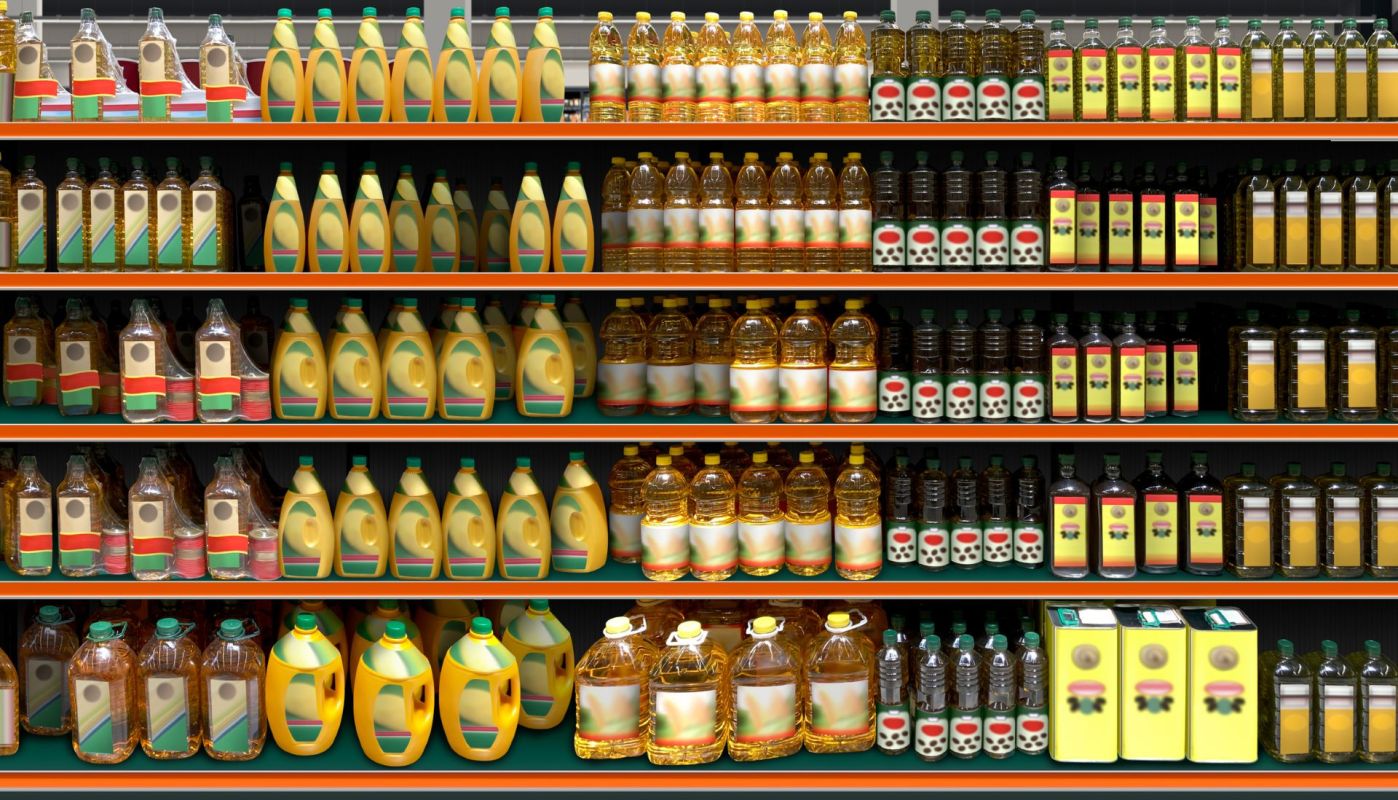
Prices of coconut oil are rising in Asia as supply shortages and booming demand turn the kitchen staple into a premium product. Consumers, especially in India, are feeling the squeeze and searching for alternatives, according to The Hindu Business Line.
What's happening?
Globally, coconut oil now costs an all-time high of $2,990 per ton, with a group of producer nations, the International Coconut Community, predicting prices will stay well above historic levels for at least the next two years. Other oils often used as substitutes, such as palm kernel, sunflower, and soybean oil, are also tightening in supply and expected to rise in price.
The price surge has been accelerated across Southeast Asia by lower rainfall levels, longer extreme heat seasons, and increases in pests and diseases.
"While prices are expected to ease gradually, the current rally is likely to establish a new normal," one Singapore-based oil trader told reporters, per the Business Line.
Why is this concerning?
Coconuts are sensitive crops requiring steady rainfall and consistent temperatures to thrive. Increasingly extreme conditions, longer heat waves, below-average rainfall, and sudden downpours have thrown production into chaos. El Niño conditions of 2023 hit coconut-growing regions hard, and with trees taking a year to mature after flowering, the effects are still rippling through supply chains.
This results in a squeeze at both ends of the production process. Farmers are harvesting earlier in the season to keep up with demand, leaving fewer mature coconuts for oil, while apparent health trends and social media hype continue to drive consumption higher. For families, this translates into higher grocery bills and difficult trade-offs in the kitchen.
As one consumer in Kerala explained to Business Line: "I will switch to the more affordable refined sunflower oil for everyday cooking and save coconut oil for dishes where its flavor is absolutely irreplaceable."
The coconut oil crisis is part of a broader global trend: Staples from wheat to olives to oranges are all being affected by hotter, drier conditions that make farming less predictable. The overheating of our planet is making everyday food more expensive, leading to tighter household budgets worldwide.
What's being done about it?
In Indonesia, some officials are calling for temporary export bans to stabilize local prices. In India, groups are pushing for lower import taxes on coconut oil to make it more affordable. Farmers are also expanding planting, but new trees won't yield fully for four to five years.
For consumers, supporting local food systems and exploring diverse cooking oils can help reduce reliance on volatile global supply chains. And with smarter shopping and intentional planning, it's possible to stretch your grocery budget even when staple prices rise, even if it means not following the latest trends from social media influencers.
TCD Picks » Quince Spotlight
💡These best-sellers from Quince deliver affordable, sustainable luxury for all




|
What's most important to you when you buy cooking oil?
Click your choice to see results and speak your mind. |
 Cheapest option 💰
Join our free newsletter for easy tips to save more and waste less, and don't miss this cool list of easy ways to help yourself while helping the planet.
Cool Picks




