


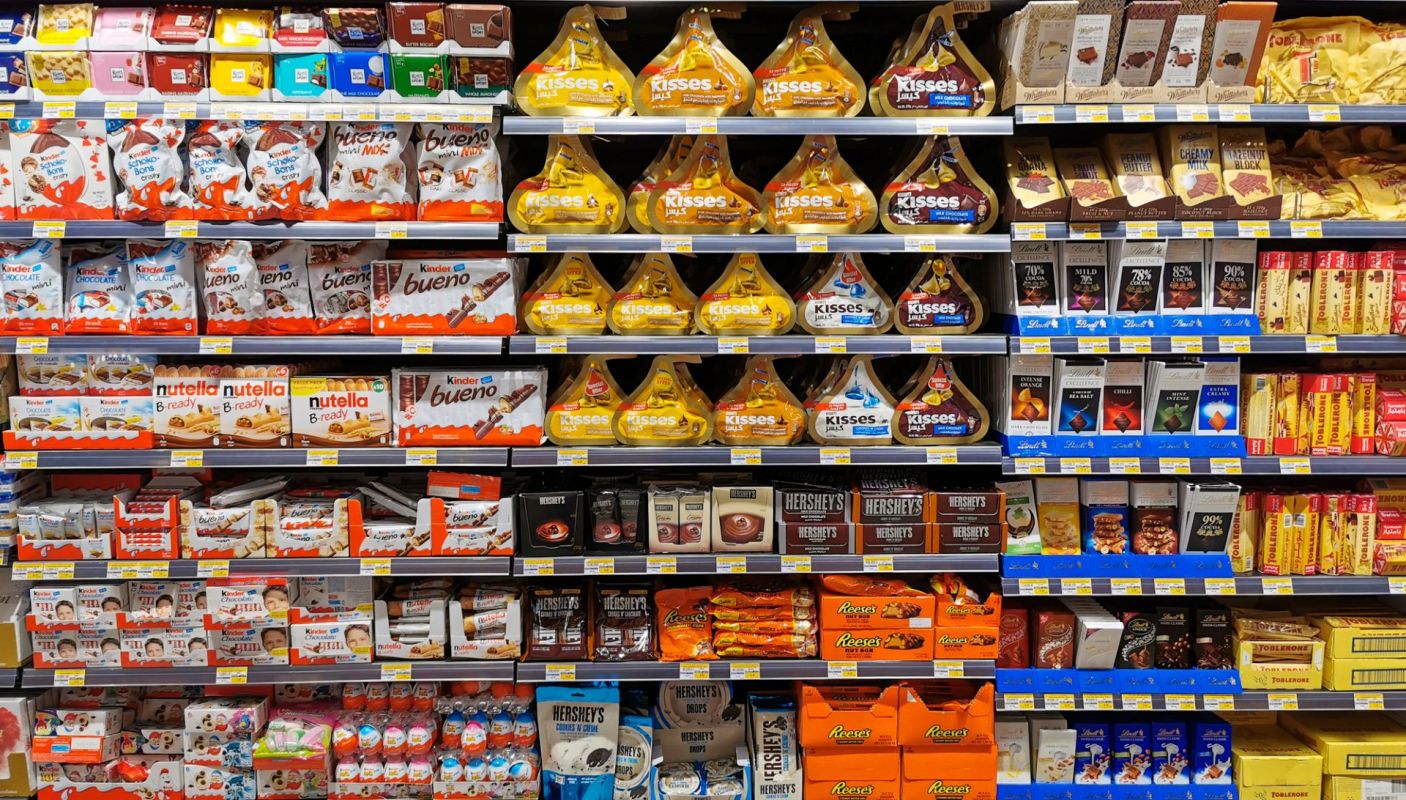
Rising temperatures and extreme weather events have affected staple ingredients worldwide.
From oranges in Florida to potatoes in Australia, price increases seem inescapable.
With the holidays coming up, many of us are going to be hurting over the next shortage, which is, unfortunately, chocolate.
What's happening?
The BBC interviewed Sarah Hall, the owner of Temper Temper Chocolate, a chocolatier based in the U.K., about her recent experience with the chocolate shortage and how it's affecting her product offering and prices.
Hall said her suppliers have increased prices due to a poor harvest, and she's had to pivot her business plan to offer smaller chocolate bars as well, in case her customers don't want to pay the higher price for the regular large bars.
In addition to the increased price for chocolate, nuts and fruit have also gone up in price, making it extremely hard for candy companies to operate at all.
"Everyone's struggling with the electric bills and the water bills," Hall told the BBC, noting additional pressures on both customers and business owners.
Why is the chocolate shortage important?
A separate BBC report cited Office for National Statistics data, which noted the price of chocolate has increased by 15% in the last year alone.
The publication pointed out that cocoa-producing countries, including Ghana and the Ivory Coast, have experienced crop shortages because of extreme drought conditions.
Droughts are made worse by excess heat driven by human-caused pollution, mostly from burning dirty fuels.
TCD Picks » Upway Spotlight
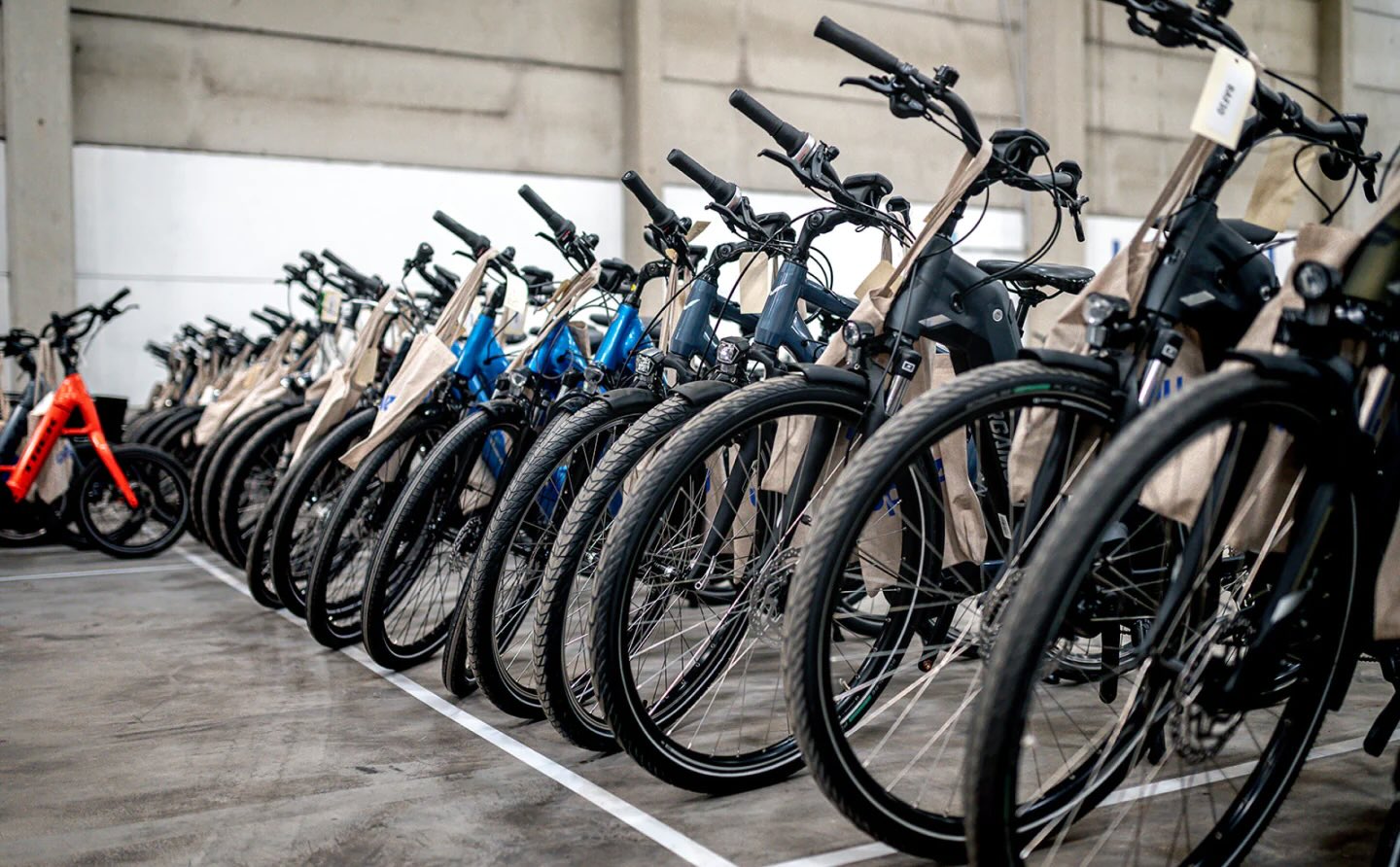
💡Upway makes it easy to find discounts of up to 60% on premium e-bike brands




|
Would you buy juice or yogurt made with bruised or misshapen fruit?
Click your choice to see results and speak your mind. |
 If I couldn't tell the difference 🤔
 According to the Energy Information Administration, petroleum, natural gas, and coal accounted for 84% of all energy production in the United States in 2023. Additionally, the nation's energy production has exceeded energy consumption year after year since 2019.
Mining dirty energy sources and using them to fuel our factories brings toxic exposure to communities, causing increased risk of a range of diseases, from asthma to heart disease. They can even cause premature death.
Globally, dirty fuels account for around 68% of total planet-warming pollution and 90% of all carbon dioxide pollution, according to the United Nations.
Because this planet-warming pollution traps the sun's heat, global temperatures are rising faster than at any point in recorded history, resulting in changing weather patterns and affecting the availability and stability of our crops.
What's being done about the chocolate shortage?
Scientists, farmers, and economists are all looking into how to restructure and revive the crumbling chocolate industry, optimize production, and make crops more climate-resilient.
While it's important to support cocoa farming, the industry must still move away from child labor and adopt more ethical practices.
On a consumer level, you can support ethically made chocolate brands. Look for labels such as "Fair Trade" or "Rainforest Alliance" when you shop for holiday gifts and chocolate supplies.

💰Get TCD's free newsletters for easy tips to save more, waste less, and make smarter choices — and earn up to $5,000 toward clean upgrades in TCD's exclusive Rewards Club.
Cool Picks




