



Chicken. It's what's for dinner. That's the message people should keep in mind — just once a week — to make a significant positive impact on the changing climate.
What is the message?
Shifting the famous 1992 commercial by the National Livestock and Meat Board could have an even greater effect on the country than did the jaunty hoe-down music from the "Rodeo" ballet and Robert Mitchum's iconic tagline.
"What if just one in 10 Americans who currently eat beef, drive gasoline cars, heat their homes with natural gas, or buy new clothes changed each of those habits?" The Associated Press asked.
An investigation by the news agency found that eating chicken, piloting electric vehicles, installing electric heat pumps, and prioritizing secondhand shopping would cut hundreds of billions of tons of carbon dioxide pollution every year.
The AP said that if 10% of the 250 million Americans who eat beef instead ate chicken once every seven days, it would keep 13 billion pounds of CO2 out of the air in just one year. (Eating a plant-based meal could be even more impactful.)
"Beef is a commonly consumed item that has one of the largest carbon footprints per pound," Dave Gustafson, project director at the Agriculture & Food Systems Institute, told the AP. "It is probably one of the largest individual choices that people make with regard to what they eat that has a direct impact on personal carbon footprint."
The EV swap, if done by 23.8 million people who drive internal combustion engine vehicles, would cut CO2 pollution by an astounding 175 billion pounds annually, and the heat pump exchange would save 11 billion pounds of CO2 from just 6 million households over 12 months. When it comes to clothing, if 34.2 million people bought just one pair of jeans from a thrift store instead of new ones, 1.5 billion pounds of CO2 would vanish each year.
Why is this important?
Air pollution creates health hazards in communities and traps heat in the atmosphere. It is the main driver of rapidly rising global temperatures, which are making extreme weather events more frequent and severe.
Scientists have shown that if the planet reaches temperatures that are 2 degrees Celsius (3.6 Fahrenheit) higher than they were in preindustrial times, the consequences could make swaths of Earth uninhabitable.
Close to two in five people would be subject to extreme heat; the Arctic would be without summer sea ice once every 10 years; and fisheries as well as insect, plant, and vertebrate populations would decline dramatically, according to the World Resources Institute.
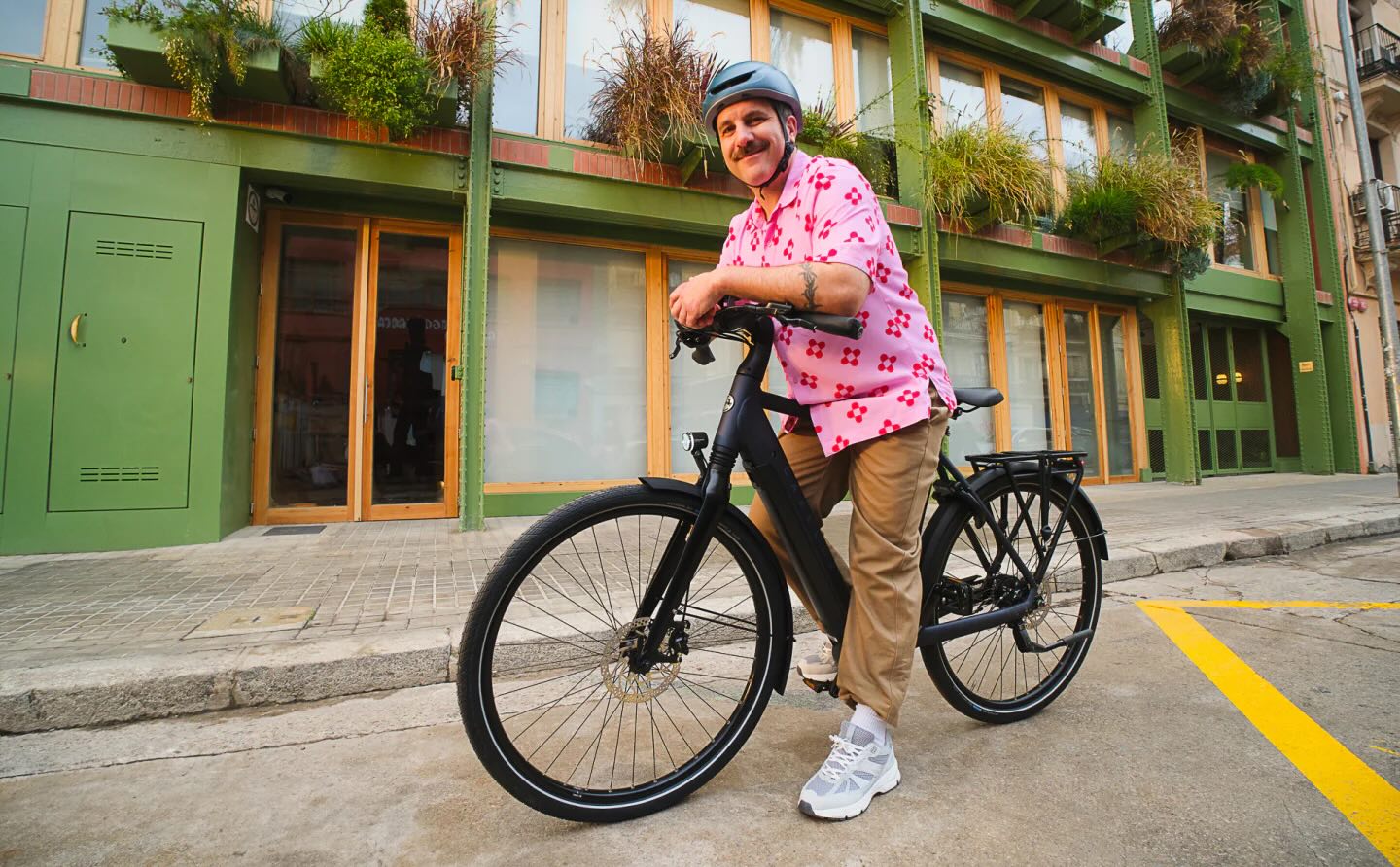
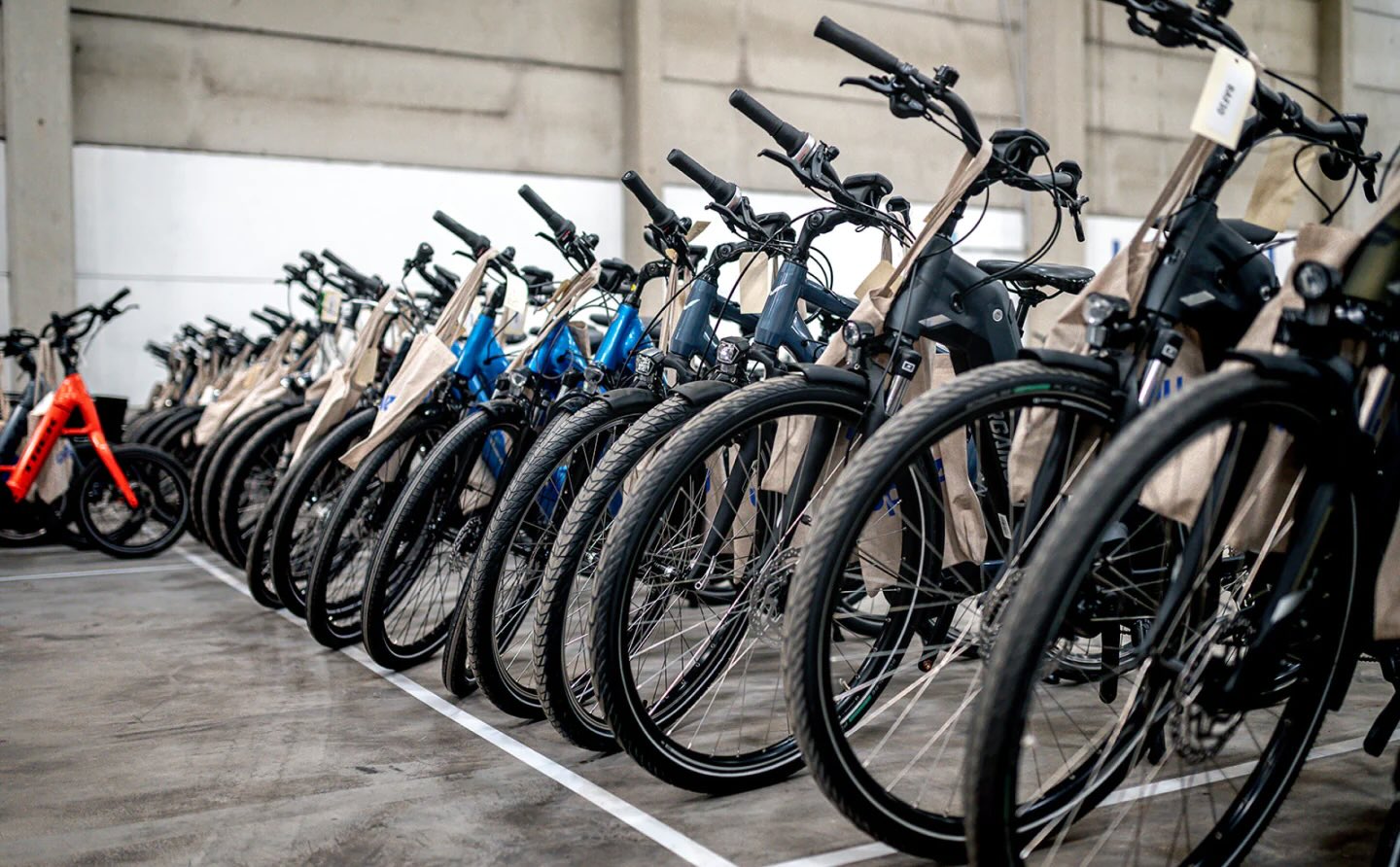
TCD Picks » Upway Spotlight
💡Upway makes it easy to find discounts of up to 60% on premium e-bike brands



|
Which of these savings plans for rooftop solar panels would be most appealing for you?
Click your choice to see results and speak your mind. |
 Save $1,000 this year 💸
 Humans have depended on Earth's systems for millennia, but the burning of gas, oil, and coal for energy and other habits that pump pollution into the environment — such as eating beef and the constant consumption of clothes — have pushed the relationship off-kilter.
How this change helps ensure a cooler future
Reducing beef consumption and altering other behaviors that contribute to dire warnings for the future of life would move humankind toward cleaner, safer prospects with less air pollution and lower temperatures. While sea levels may climb for hundreds of years, no matter what action is taken, avoiding worst-case warming scenarios is vital.
Keeping the temperature rise where it is now or lowering it would stabilize Earth's ecosystems, ocean currents, and weather patterns. The ways to help are myriad, going well beyond those explored by the AP.
Still, "the numbers show how quickly emissions add up or come down when millions of people move in the same direction," the outlet stated.

Get TCD's free newsletters for easy tips to save more, waste less, and make smarter choices — and earn up to $5,000 toward clean upgrades in TCD's exclusive Rewards Club.
Cool Picks




