


A California shopper wondered if a frozen-food purchase really matched the portion-size promise on the box — a complaint that's relatable to many people already frustrated by how little their grocery budgets can buy.
What happened?
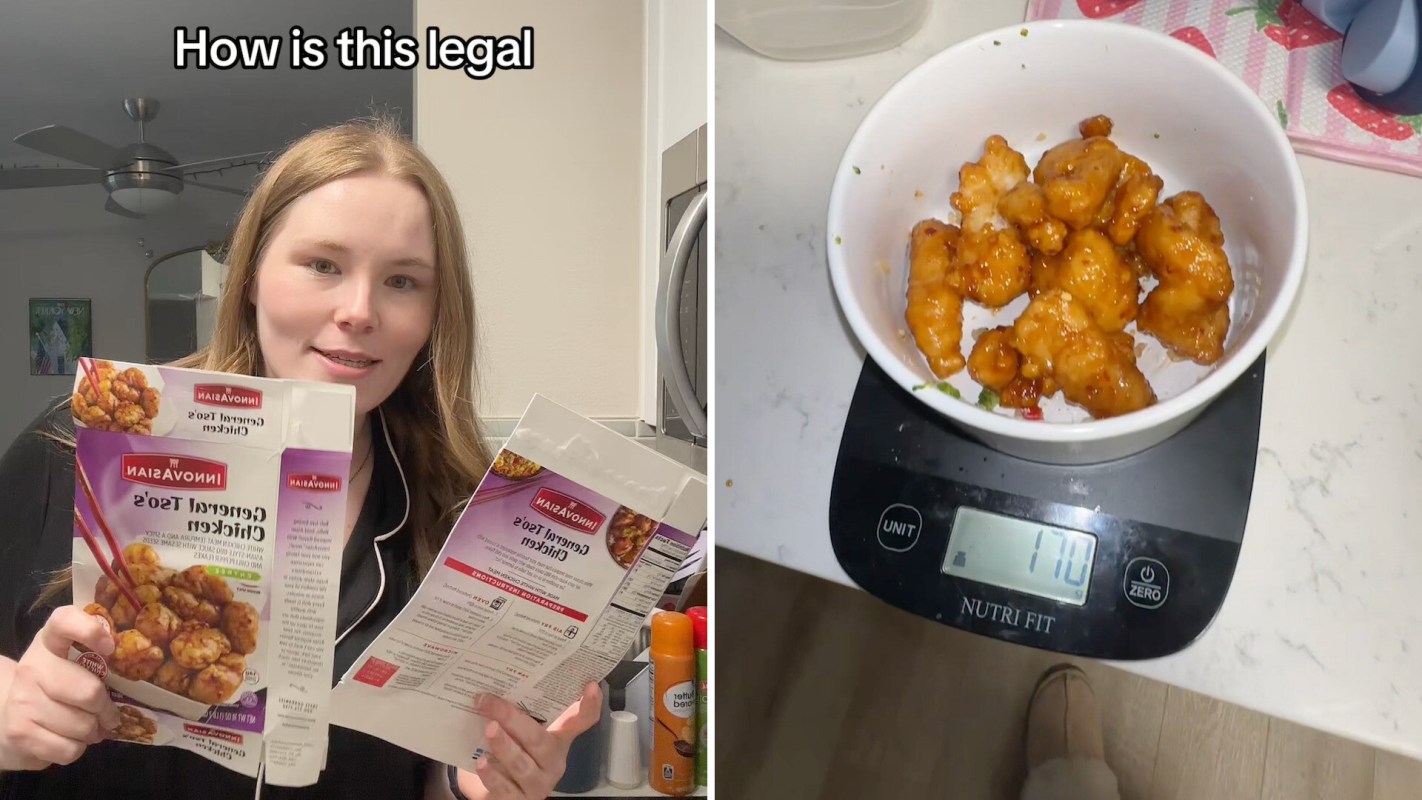
Los Angeles-based creator Faith (@trainingforamazing) posted a TikTok video about the issue, holding up a box of InnovAsian General Tso's Chicken and calling attention to the serving information on the label.
@trainingforamazing Watch me crash out over #innovasian #consumergoods #costofliving #consumerprotection #capitalism ♬ original sound - Faith
"It says, 'three servings in a container,'" she said. "So, serving size one cup and then servings per container three."
Faith said the math did not hold up once the food was prepared. After cooking two boxes and measuring everything out, she said she got only about three cups total, roughly half of the six cups she assumed would be in there based on the label.
That apparent gap between the label and the finished portion left her annoyed.
"InnovAsian, where are the other three?" she said. "What the actual [expletive]?"
TCD Picks » Quince Spotlight
💡These best-sellers from Quince deliver affordable, sustainable luxury for all




Other shoppers said the video matched what they had noticed themselves. One viewer wrote, "Omg, I thought it was just me that realized this about this brand!"
Separately, The Mary Sue said a Reddit post from a year ago described a similar experience — a supposed 3-cup serving of InnovAsian orange chicken just turning out to be one cup.
Some users guessed that the listed servings might effectively account for sauce or frozen weight, but InnovAsian has not publicly clarified that point.
Why does it matter?
For people trying to plan meals and manage food costs, a discrepancy like this can make a real difference. Faith said she bought the product expecting it to stretch across multiple meals, then found that the portions appeared much smaller than the packaging suggested.
The complaint also taps into a broader source of consumer anger: shrinkflation. Companies may reduce how much product comes in a box or bag without lowering the price, and sometimes even charging more. That can make it tougher for shoppers to judge value quickly, especially with everyday convenience foods, and can leave families paying more for less.
The Mary Sue reported, citing Babson College, that companies can legally shrink a product, but only if the label reflects the change. Even when it meets labeling rules, though, shoppers may still feel misled through the packaging's claims.
What can I do?
One useful step is to check unit prices when stores provide them. Comparing the cost per ounce, pound, or serving you're actually getting can show whether a product that looks like a deal is actually pricier than another option.
When unit pricing is missing, shoppers can do the math themselves with a phone calculator, as The Mary Sue explained, by comparing the package amount with the total price.
It may also help to pay attention to packaging redesigns, which sometimes show up alongside smaller portions. If a product seems different than before, posting reviews, keeping photos, or contacting the company directly can help document the issue publicly.
"How is that legal?" Faith asked. "That is literally half of what they're saying is on the box. …. The math isn't mathing."

Get TCD's free newsletters for easy tips, smart advice, and a chance to earn $5,000 toward home upgrades. To see more stories like this one, change your Google preferences here.







