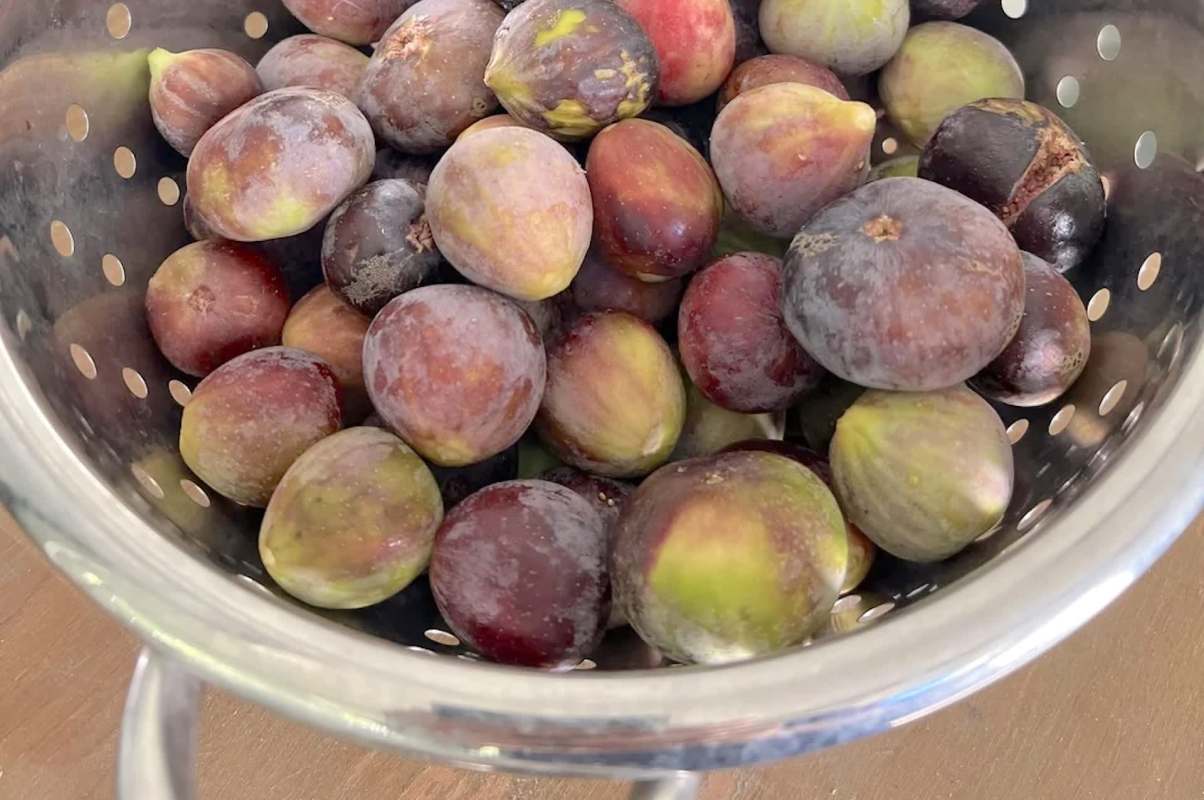
A California forager's routine morning walk turned into a sweet harvest: they gathered nearly 4.5 pounds of black mission figs gathered along trails just outside Sacramento.
This summertime haul quickly drew attention online, not only for its size but for what it suggested about how much fresh food hiding in plain sight one could find for free.
What happened?
On Reddit, a user said black mission figs were beginning to ripen along local trails and wrote that they brought home "About 4.5lbs this time."
They later shared that the find happened "Just outside of Sacramento, CA," saying the haul came from a regular outing: "Went for my usual morning walk and came back with this!"
Replies mixed admiration with culinary advice. One person commented, "What an absolute TREASURE! You're so lucky. Enjoy!" and others began sharing ideas for eating or storing that many figs.
Instead of celebrating the find alone, commenters focused on how to use it up, suggesting jam, freezing, grilling, and other methods for a fruit that does not last long. One Redditor commented how they "love fig, rosemary, and blackberry jam on hot fresh bread slathered in butter.
TCD Picks » Quince Spotlight
💡These best-sellers from Quince deliver affordable, sustainable luxury for all




Why does it matter?
Finding seasonal food nearby can sometimes be as simple as knowing what is growing and when.
That also has an environmental upside. Gathering food locally can reduce packaging and shipping while helping people pay closer attention to what grows naturally around them.
Where fruit trees are common, even an ordinary walk may lead to freshly picked produce. Foraging is a great way to get out in nature and make use of the plants that naturally grow in the environment, and a way to help the ecosystem even further is by eliminating invasive plants while you do so, such as one forager who encouraged people to eat invasive wild radish.
But the conversation also highlighted a downside of very ripe figs: they have a short shelf life. As one commenter warned, "figs don't keep worth a dang once they come off the tree."
People in the thread also talked about how to spot fruit ready to pick, including that the white bloom on figs is normal.
What can I do?
If foraging is permitted where you live, and fruit trees are accessible, it helps to think ahead.
With fragile fruit such as figs, only gather what you can finish, preserve, or process soon after picking.
Several commenters shared easy ways to do that. One recommended getting them into preserves right away, writing, "A quick fig preserves with a splash of balsamic and some cracked black pepper goes real nice on a biscuit too."
Freezing came up repeatedly as a way to keep them from going bad. One person wrote, "I put them what I don't use right away in the freezer," adding that the texture softens but the fruit still works for compote, jam, or ice cream.
Another user suggested a simple step for better freezer storage: "spread 'em on a sheet pan first so they freeze individually. Scoop out what you need without a chisel."
If you are new to foraging, only pick food you can confidently identify, check local rules, and avoid areas that may have been treated with chemicals or exposed to heavy roadside pollution.
The original poster summed up the appeal this way: "Of all the wild foods, mission figs are definitely on top of my list and my summertime favorite!"
That enthusiasm was echoed by another commenter: "Nothing beats fresh figs though. I adore them."

Get TCD's free newsletters for easy tips, smart advice, and a chance to earn $5,000 toward home upgrades. To see more stories like this one, change your Google preferences here.