


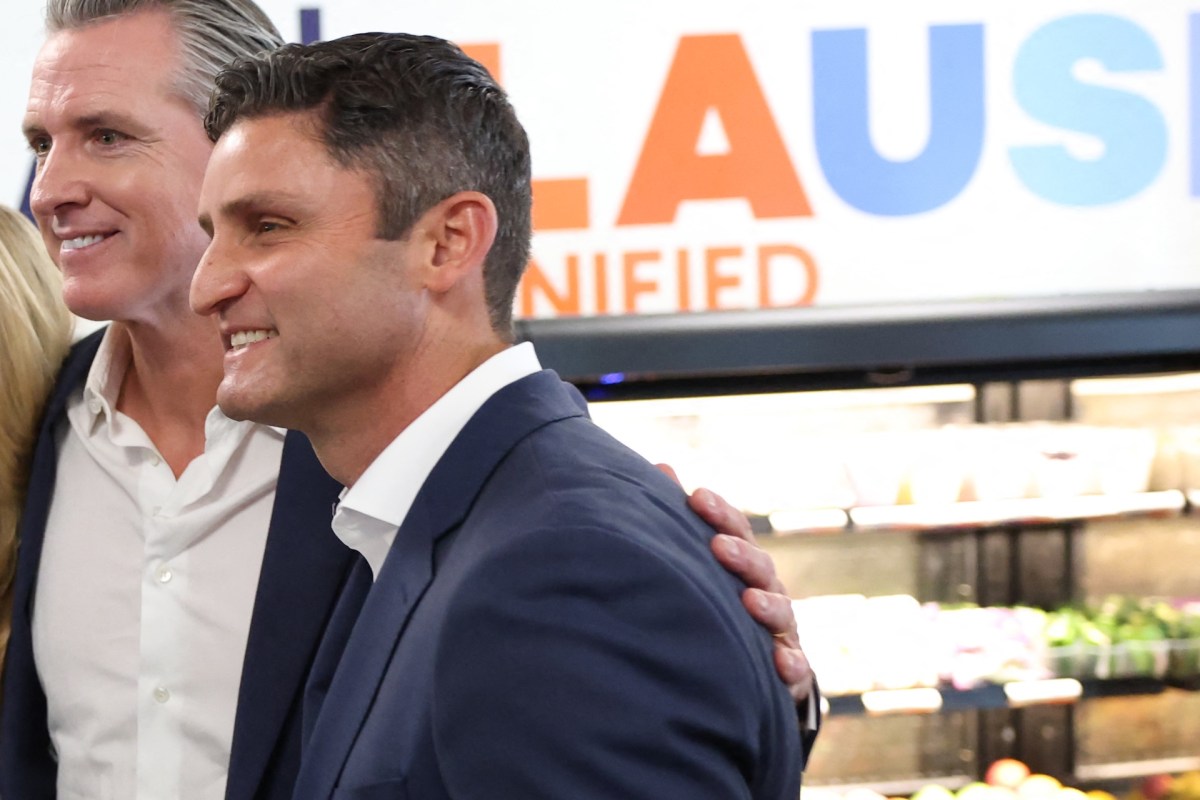
California Assemblymember Jesse Gabriel once dismissed food dye bans as a little "California woo-woo."
But after learning more about how chemical additives enter the food supply with limited federal oversight, he became the author of the bill later nicknamed the "Skittles ban."
Here's what to know
Representing part of Los Angeles County, Gabriel, a Democrat, became a leading food safety voice after turning his attention to ingredients that remain allowed in common products.
According to Mother Jones, that shift led to the California Food Safety Act, which banned four additives from foods sold in the state, including Red No. 3, brominated vegetable oil, potassium bromate, and propylparaben.
His concern deepened once he understood the regulatory system.
"My eyes were opened to a situation that, frankly, I had no idea existed," he said. "I always assumed there was someone in Washington, D.C., watching my back. When I learned that that wasn't the case, it actually made me angry."
TCD Picks » Quince Spotlight
💡These best-sellers from Quince deliver affordable, sustainable luxury for all




The bill drew so much notice largely because of the inclusion of titanium dioxide, a whitening agent then found in Skittles, in the original proposal. Lawmakers later removed it to win bipartisan support, but the "Skittles ban" label remained.
Gabriel's efforts expanded from there. He later supported laws that limit certain dyes in school meals, and that created what Mother Jones described as the first legal definition of ultraprocessed foods.
More background
Gabriel pointed to studies suggesting a possible link between synthetic food dyes and neurobehavioral problems, including ADHD. It also noted that ADHD diagnoses in children have risen nearly 70%.
Backers say the laws could lower children's exposure to disputed additives, especially at school.
They also argue that California's huge market can pressure food companies to improve products across the country instead of selling one version in California and an inferior one elsewhere.
The California Grocers Association, Consumer Brands Association, and National Confectioners Association opposed the California School Food Safety Act, arguing that the FDA still allowed these additives.
What's being done?
Gabriel has continued pushing his food safety agenda through bipartisan negotiations.
In 2024, the California School Food Safety Act passed without a single opposing vote, despite resistance from major trade groups.
Then, in 2025, the Real Food, Healthy Kids Act created a legal definition of ultraprocessed foods and established a pathway to remove some heavily processed products from California schools, including vending machines.
According to Mother Jones, California Assemblymember Heath Flora, a Republican from the Central Valley, said, "Jesse is one of those guys that's willing to look at things from an agricultural perspective."
The state also signed off on a voluntary label meant to help shoppers spot foods made with minimally processed ingredients.
Meanwhile, food safety advocates are pushing back against federal proposals that would override stricter state standards.
Gabriel sees food safety as one of the few issues that can still draw support from both parties.
"Eighty percent of Democrats and Republicans in Washington don't agree on what day of the week it is," he said. When it comes to food safety, however, "it's fairly unprecedented, the depth of the support and the depth of the response. I can't figure out why people wouldn't want to talk about it."
Where can I learn more?
These stories look at the wider fight over food dyes, additive safety, and state regulation, from California's school food rules to similar battles unfolding in other states.
• California still has access to its favorite foods after the so-called "Skittles ban."
• In New Jersey, senators pushed for a complete ban on common food dyes.
• In West Virginia, a court fight over a game-changing ban intensified resistance to federal interference.

Get TCD's free newsletters for easy tips, smart advice, and a chance to earn $5,000 toward home upgrades. To see more stories like this one, change your Google preferences here.







