


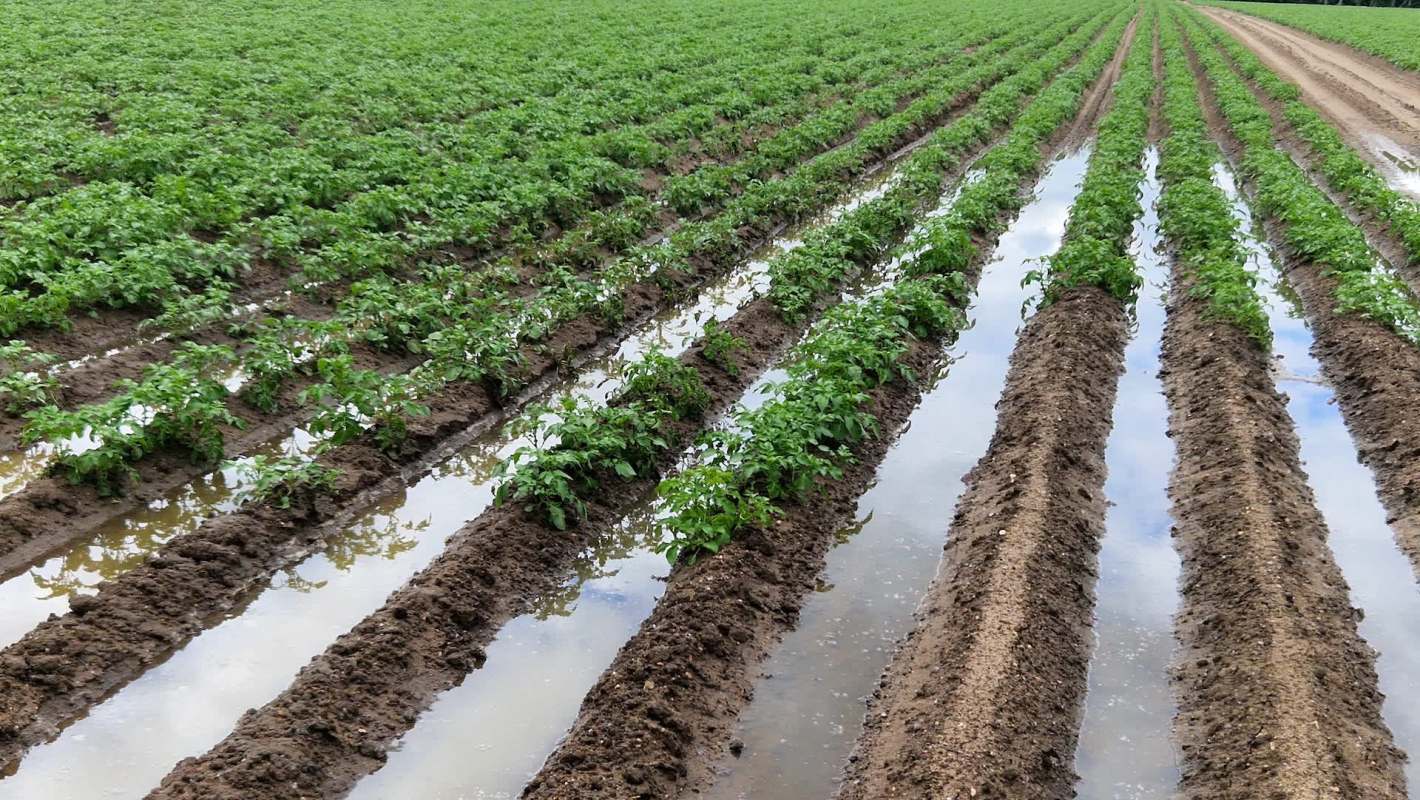
Latvian farmers expect to harvest only half their usual cabbage crop this year after extreme weather destroyed fields across the country, according to a report from FreshPlaza.
What's happening?
Persistent downpours and unseasonably cool temperatures prevented farmers from planting nearly 15% of their intended cabbage fields this season.
The crops that did make it into the ground faced challenges. Up to one-third failed to develop properly or suffered damage from the conditions.
The excessive moisture created ideal conditions for pest infestations while also stunting growth. Cabbage heads that typically weigh about four pounds have shrunk to roughly two pounds this season.
One large agricultural operation that usually produces 6,000 to 7,000 tons of cabbage from 100 hectares expects to harvest only 3,000 tons this year. The business anticipates losing up to 500,000 euros.
Farmers began collecting crops in early August, a whole month after the standard mid-July start. Agricultural experts report that specific fields saw nearly half their plants fail, with many plants showing weakness and disease symptoms.
Why is crop loss concerning?
Food production disruptions, such as Latvia's cabbage crisis, demonstrate how changing weather patterns hurt both agricultural livelihoods and food security.
Farmers who depend on predictable growing seasons face financial pressure when crops fail, while consumers encounter higher grocery costs and reduced availability of locally grown produce.
When local harvests fail, communities lose more than just produce. They sacrifice economic activity, rural employment opportunities, and the environmental benefits of locally sourced food that requires less transportation.
What can I do to help struggling farmers?
Support farmers facing weather-related losses.
TCD Picks » Quince Spotlight
💡These best-sellers from Quince deliver affordable, sustainable luxury for all




|
What is the biggest reason you don't grow food at home? Click your choice to see results and speak your mind. |
 Not enough time ⏳
 Buy local produce when it's available, even if items look different than usual or cost slightly more. Smaller or imperfect vegetables still have the same nutritional value.
Reduce food waste at home to maximize existing harvests. Store cabbage and other vegetables properly to extend their usability, and plan meals to use produce before it spoils.
Consider joining community-supported agriculture programs that provide farmers with stable income regardless of weather challenges. These partnerships enable agricultural operations to navigate challenging seasons and sustain local food production capacity.
Contact your representatives to advocate for programs that help farmers adapt to inconsistent conditions. These programs include improved drainage systems, pest management resources, and crop insurance. Investments like these protect both food security and farming communities that face increasingly unpredictable seasons.

Join our free newsletter for easy tips to save more and waste less, and don't miss this cool list of easy ways to help yourself while helping the planet.
Cool Picks




