


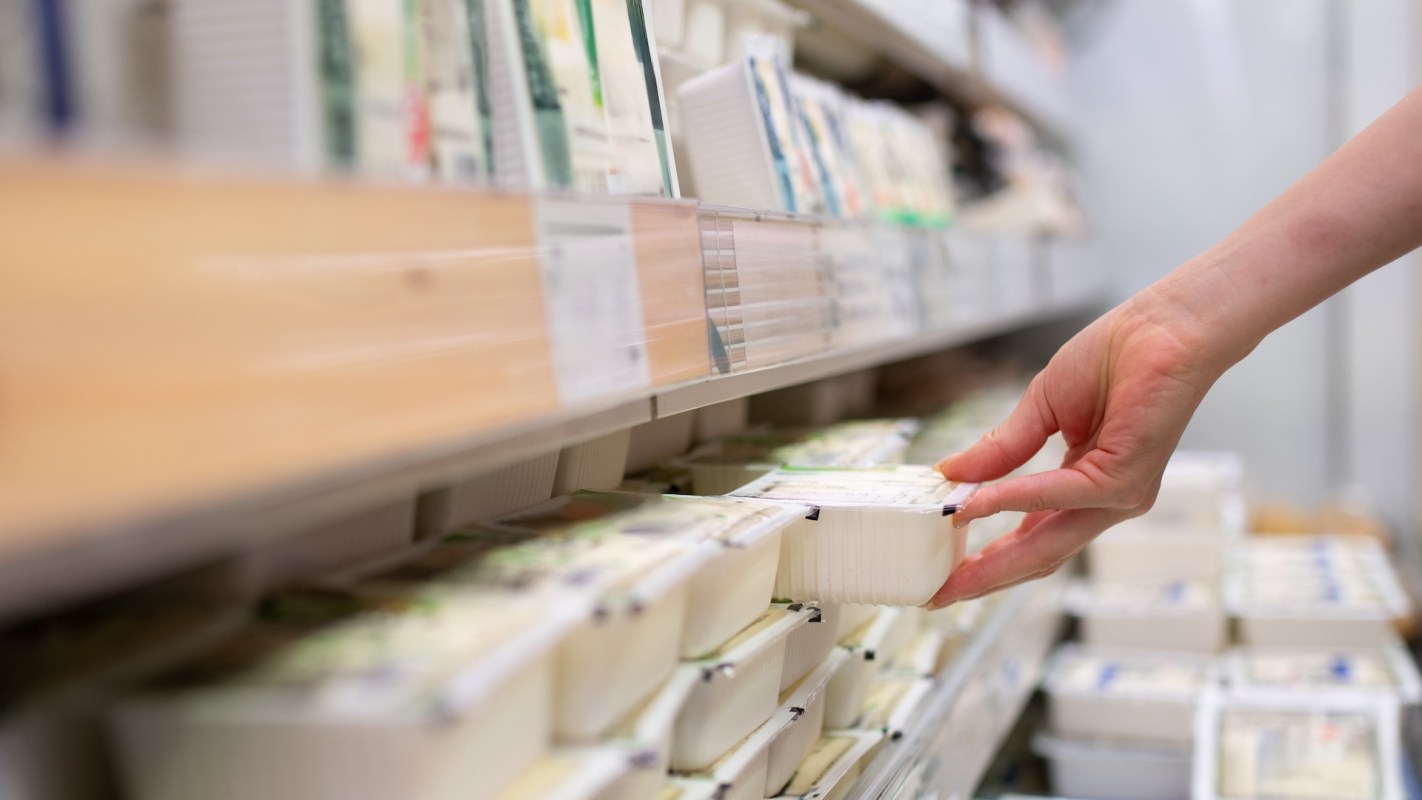
British shoppers may be reshaping the plant-based section of the supermarket by favoring basic protein staples over products meant to mimic meat. Beans, tofu, and tempeh appear to be gaining traction as imitation burgers and sausages lose some ground.
Here's what to know
Madre Brava said a review of NielsenQ retail data suggests Britain's plant-based market is settling into a new balance after a stretch of instability.
In a Sept. 22 Instagram post, Plant Based News (@pbnfood) captured that shift in a single line: "Britons are buying less fake meat, but more beans and tofu."
According to the post, Madre Brava's Britain Backs Beans report said sales of dried beans, peas, and lentils rose 16.7% in the first half of 2026 compared with the same period in 2025. Canned and jarred beans were up 6.4%, while unit sales of beans, pulses, tofu, and tempeh rose 7.3%.
Other categories showed a broader reshuffling within the meat-free space. Meat-imitating plant-based products were down 4.3% by unit sales and 2.7% by value. Tofu unit sales gained 7.2%, while tempeh was up 71.6%. Unit sales for meat-free items based on vegetables and pulses increased 24.6%, and mycoprotein products such as Quorn edged up 2.4%.
More background
Rather than relying so heavily on highly processed meat alternatives, shoppers may be turning toward foods they already recognize, know how to cook, and can use in a wide range of meals.
TCD Picks » Quince Spotlight
💡These best-sellers from Quince deliver affordable, sustainable luxury for all




Beans, pulses, tofu, and tempeh can often stretch across multiple meals, and they fit into everything from soups and curries to stir-fries and salads. If retailers respond by expanding those options, shoppers could end up with more affordable, flexible choices.
One commenter wrote, "Homemade is the future."
What's being done?
By releasing the report, Madre Brava is drawing attention to plant proteins that may be cheaper and easier for shoppers to work into everyday meals. Stronger sales for beans, pulses, tofu, and tempeh support its case that supermarkets and food brands should not treat plant-based eating as synonymous with faux meat.
For retailers, that could mean devoting more shelf space to whole-food proteins and simpler meat-free products made from vegetables and pulses. For food companies, it may be a signal to develop products that compete not just on novelty, but on taste, convenience, and value.
Stocking dried lentils, canned beans, tofu, or tempeh can be a lower-cost way to try more meat-free meals without overhauling an entire routine.
Sara Ayech, the U.K. director of Madre Brava, said, "The bounce back in plant-based sales shows consumers are choosing foods that are a win for their health, their budgets and can compete on taste."
If the trend holds, Britain's plant-based aisle may end up looking less like a copy of the meat case and more like a pantry upgrade.
Where can I learn more?
The plant-based market is clearly evolving, and there are clear reasons why these meals are beneficial for people and planet.
• Plant-based meat and dairy alternatives use far fewer resources, reinforcing why the category still matters.
• EU lawmakers tried to strip meat terms from plant-based labels, even as veggie burgers survived.
• Fresh produce operators face a daunting operating landscape as climate and cost pressures mount.

Get TCD's free newsletters for easy tips, smart advice, and a chance to earn $5,000 toward home upgrades. To see more stories like this one, change your Google preferences here.







