


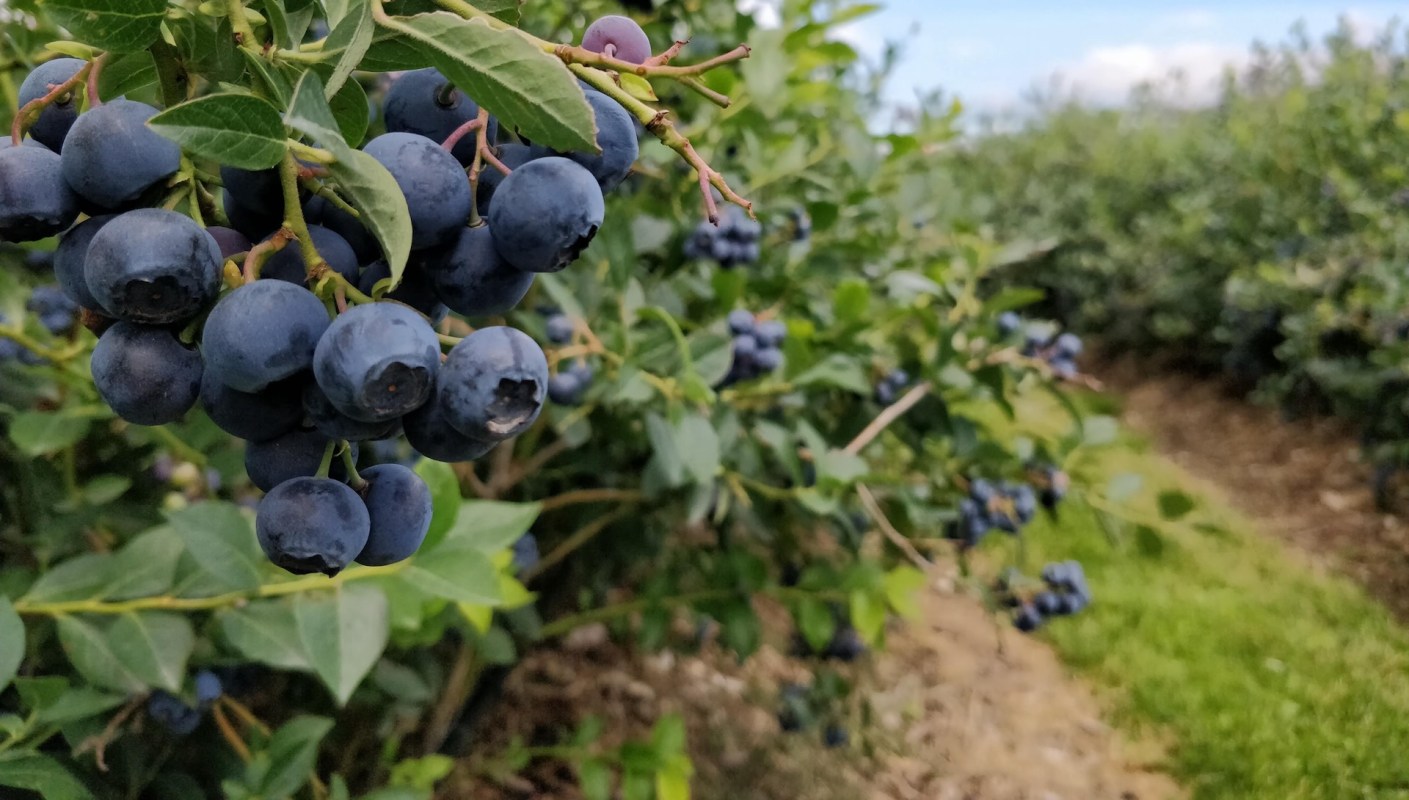
Blueberry growers across Franklin County, Massachusetts, are harvesting smaller crops, with some yields being cut almost in half, reported the Greenfield Recorder.
What's happening?
Farms throughout the region are struggling with extreme weather that's devastated their harvests.
One operation produced only half its typical harvest after scorching dry conditions, while a neighboring farm lost two-fifths of its fruit to heavy spring rainfall.
The timing couldn't be worse for these growers.
"We have a two-week window in May that we need good weather for pollination and then we have a two-week window, usually in late July, that we need good weather for harvest. If we don't get that good weather in those two weeks in May and in July, it's tough," explained farm owner Sonny Nartowicz.
One organic farm has faced three straight years of poor harvests, starting with a major dry spell in 2022 that caused plants to drop leaves months ahead of schedule. When moisture finally returned, grass and weeds invaded spaces where berry plants had perished.
The problems vary by berry type. While lowbush varieties suffered huge setbacks, some highbush operations reported abundant production.
Why are blueberry crop losses concerning?
These harvest failures threaten food security and farmers' livelihoods. Berry farms provide fresh produce for local communities and support rural economies through jobs and agricultural commerce.
Weather volatility makes farming less predictable from year to year. Growers who once counted on consistent seasonal patterns now face wild swings between droughts and deluges. A single frost during bloom time or a heat wave during fruit development can destroy an entire year's income.
Smaller harvests mean higher prices at grocery stores and farmers markets. Local food systems become less stable when producers can't reliably grow crops that have thrived in their regions for generations.
TCD Picks » Quince Spotlight
💡These best-sellers from Quince deliver affordable, sustainable luxury for all




|
What is the biggest reason you don't grow food at home? Click your choice to see results and speak your mind. |
 Not enough time ⏳
 What's being done about crop losses?
Farmers are investing in protective infrastructure.
One operation installed wind-powered equipment for temperature control during frost events and sprinkler networks that coat buds with protective ice when the mercury drops, per the Recorder. These watering systems serve double duty: They provide moisture during dry spells and cool plants during heat waves.
Growers are also applying for grants through organizations like the American Farmland Trust to purchase wood-based ground cover that helps the soil retain water.
Some producers are diversifying their approaches and growing multiple berry varieties to spread risk. If frost hits early-blooming plants, later varieties might still produce.
For instance, if lowbush plants struggle with watering challenges, highbush varieties with different moisture management options could compensate.

Join our free newsletter for easy tips to save more and waste less, and don't miss this cool list of easy ways to help yourself while helping the planet.
Cool Picks




