


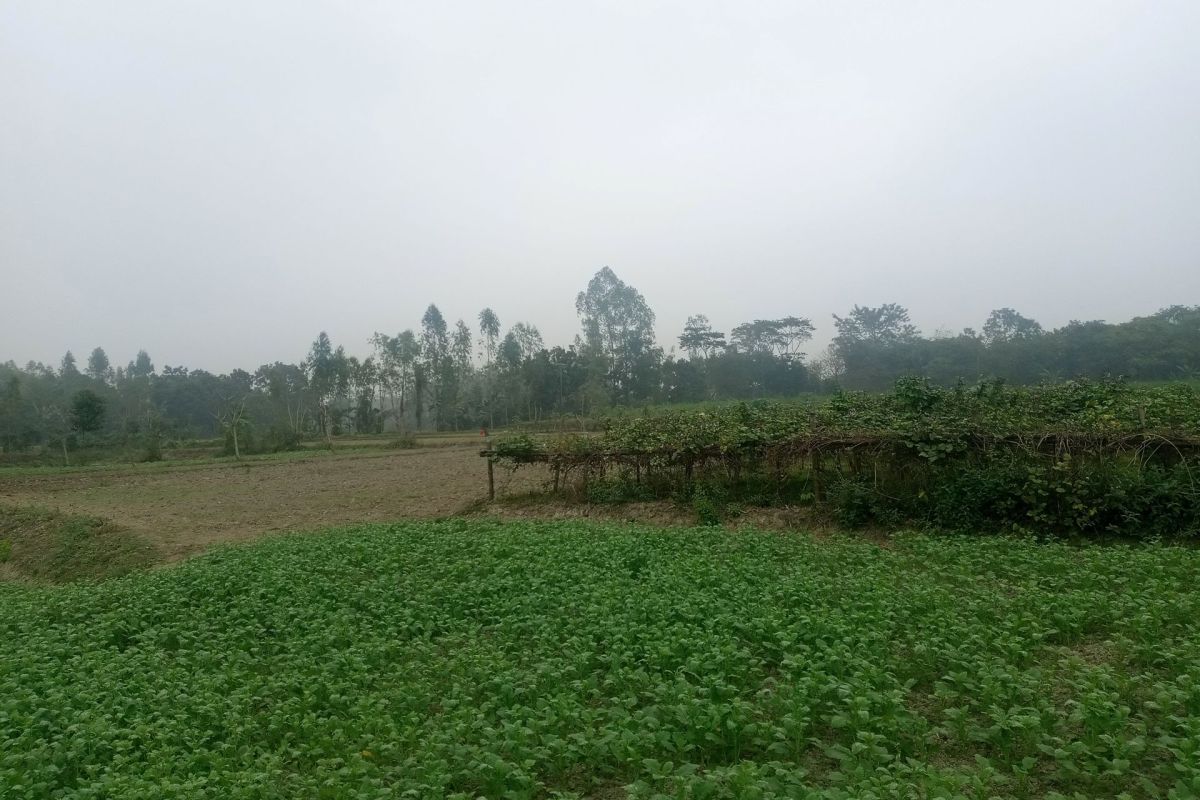
Farmers in Bangladesh have struggled as persistent cold temperatures threatened their crops — and the shift in weather could leave their livelihoods in limbo.
What's happening?
Experts urged farmers to protect their crops as intense cold weather and dense fog moved into Bangladesh, according to The Business Standard. They said the conditions can put the crops at risk of diseases that may reduce quality.
Abu Noman Faruq Ahmed, a plant pathology professor at Sher-e-Bangla Agricultural University, told The Business Standard that potatoes and boro seedbeds are in jeopardy due to the weather.
"Boro seedlings may fail to grow properly, affecting quality," Ahmed said. "Sudden weather changes could severely impact both crops and other vegetables."
There's also a concern about the lack of sunlight. Without three consecutive days of sun, experts said potato fields may develop late blight, which can kill crops.
Why is the impact of climate on crops important?
Rising global temperatures will diminish the capacity to produce food from crops around the world, according to one study published in the journal Nature.
Researchers revealed that global yields of calories from staple crops will be 24% lower in 2100 due to the changing climate.
The climate has also exacerbated extreme weather events that have contributed to higher grocery prices, per the World Economic Forum. Crops like soybeans, potatoes, and cocoa are just a few crops that have been impacted.
The degradation of crops can impact livelihoods for those in the agricultural sector, too. According to the U.S. Environmental Protection Agency, agriculture accounted for more than 10% of total employment across the United States in 2022.
What's being done about protecting agriculture?
Per The Business Standard, agricultural agencies suggested that farmers in Bangladesh take preventative measures to protect their crops.
TCD Picks » Quince Spotlight
💡These best-sellers from Quince deliver affordable, sustainable luxury for all




|
Do you think kids learn enough about gardening in school? Click your choice to see results and speak your mind. |
 Not even close 🧑🌾
 For farmers dealing with weather-related threats, the EPA has recommended incorporating climate-smart farming methods like forecasting tools and plant cover crops.
Reducing pesticide use and improving pollination is another way to reduce the impacts of climate change on agriculture, according to the EPA.

Get TCD's free newsletters for easy tips to save more, waste less, and make smarter choices — and earn up to $5,000 toward clean upgrades in TCD's exclusive Rewards Club.
Cool Picks




