


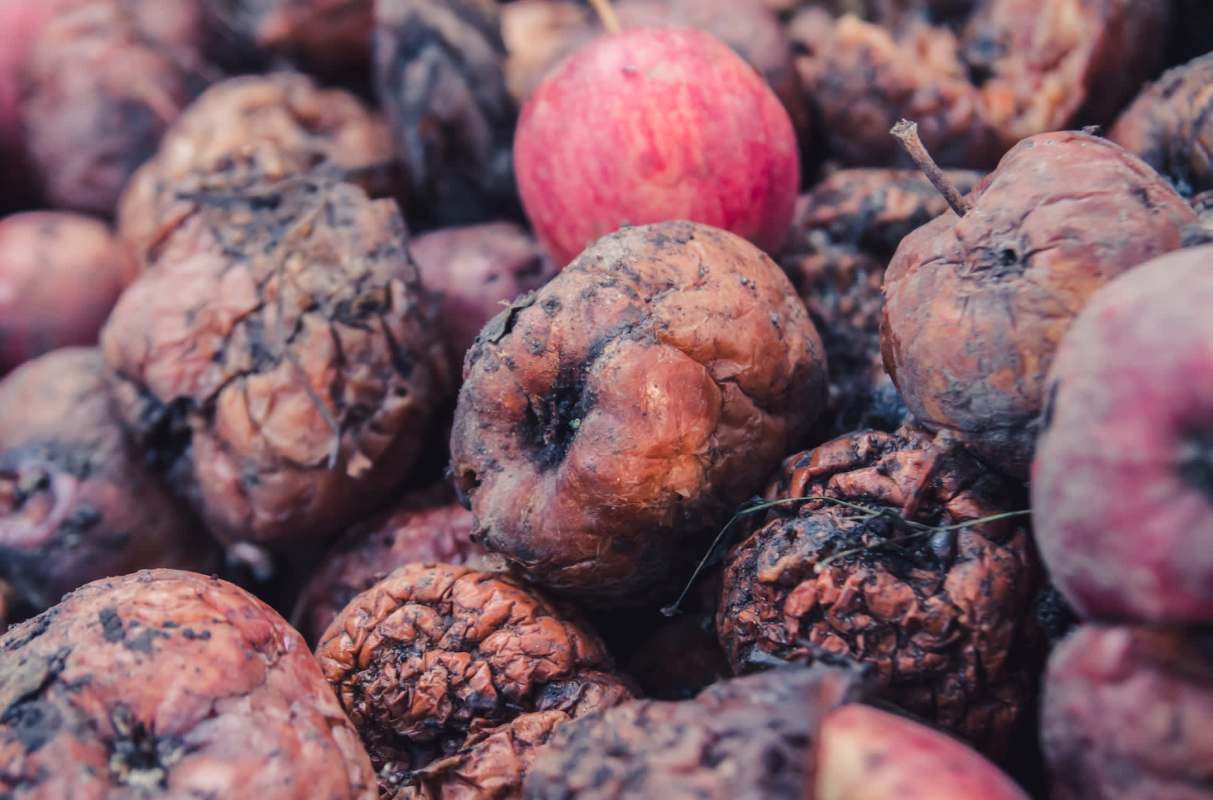
When a staple crop takes a hit, the impact ripples quickly from farms to family tables. In Jammu and Kashmir, India's Zainapora constituency, a recent hailstorm battered apple orchards across 15 villages — threatening local incomes, food supplies, and prices.
What's happening?
Rising Kashmir reported that a hailstorm tore through over 540 hectares of orchard land, damaging crops and affecting more than 2,000 apple farmers.
"Hailstorm has affected apple crop in fifteen villages of Zainapora constituency on June 2nd, 2025," the Agriculture Production Department confirmed in a statement addressing the region's crop-loss support programs.
Why is this issue concerning?
Apple farming is foundational to the local economy, supporting an estimated 3.5 million people and contributing around 8% of the region's income — roughly 100 billion Indian rupees (about $1.2 billion) per year. When orchards are damaged, families can lose a year's earnings, spreading financial strain to transportation workers, market vendors, and communities that depend on seasonal labor.
Globally, shifting weather patterns and extreme weather events are altering ecosystems, according to the Fifth National Climate Assessment.
Elsewhere, the impacts are already visible. In China, rapid shifts from scorching heat to torrential rains have destroyed farmlands and increased vegetable prices by up to 40%.
In Spain, prolonged drought has further worsened the olive shortage, driving up olive oil prices each year. In the United States, severe drought exacerbates deteriorating pasture conditions, threatening livestock and rural livelihoods.
With the global temperature now 2.3 degrees Fahrenheit warmer than the last century's average, based on NASA's Earth indicator, extreme weather events will likely be more frequent — unless people do something to stop further warming.
What's being done about the issue?
The region's Agriculture Production Department has issued tenders for a weather-based crop insurance program, helping farmers secure support when storms strike. However, many growers still face gaps in recovery funding, slow claims processing, and limited resources to rebuild orchards.
Communities can protect harvests and household budgets by shifting to clean energy, cutting down on waste, and reducing plastic use. If an apple a day keeps the doctor away, one less plastic a day keeps the planet's overheating at bay.
TCD Picks » Upway Spotlight
💡Upway makes it easy to find discounts of up to 60% on premium e-bike brands





Supporting eco-friendly initiatives can also help mitigate the impact of changing weather patterns on agriculture. As people take local action and push for resilience projects, they help protect the world's crops — and the people who grow them.
|
Do you worry about the quality of the air inside your home?
Click your choice to see results and speak your mind. |
 Yes — often 😬
💰Get TCD's free newsletters for easy tips to save more, waste less, and make smarter choices — and earn up to $5,000 toward clean upgrades in TCD's exclusive Rewards Club.
Cool Picks




