


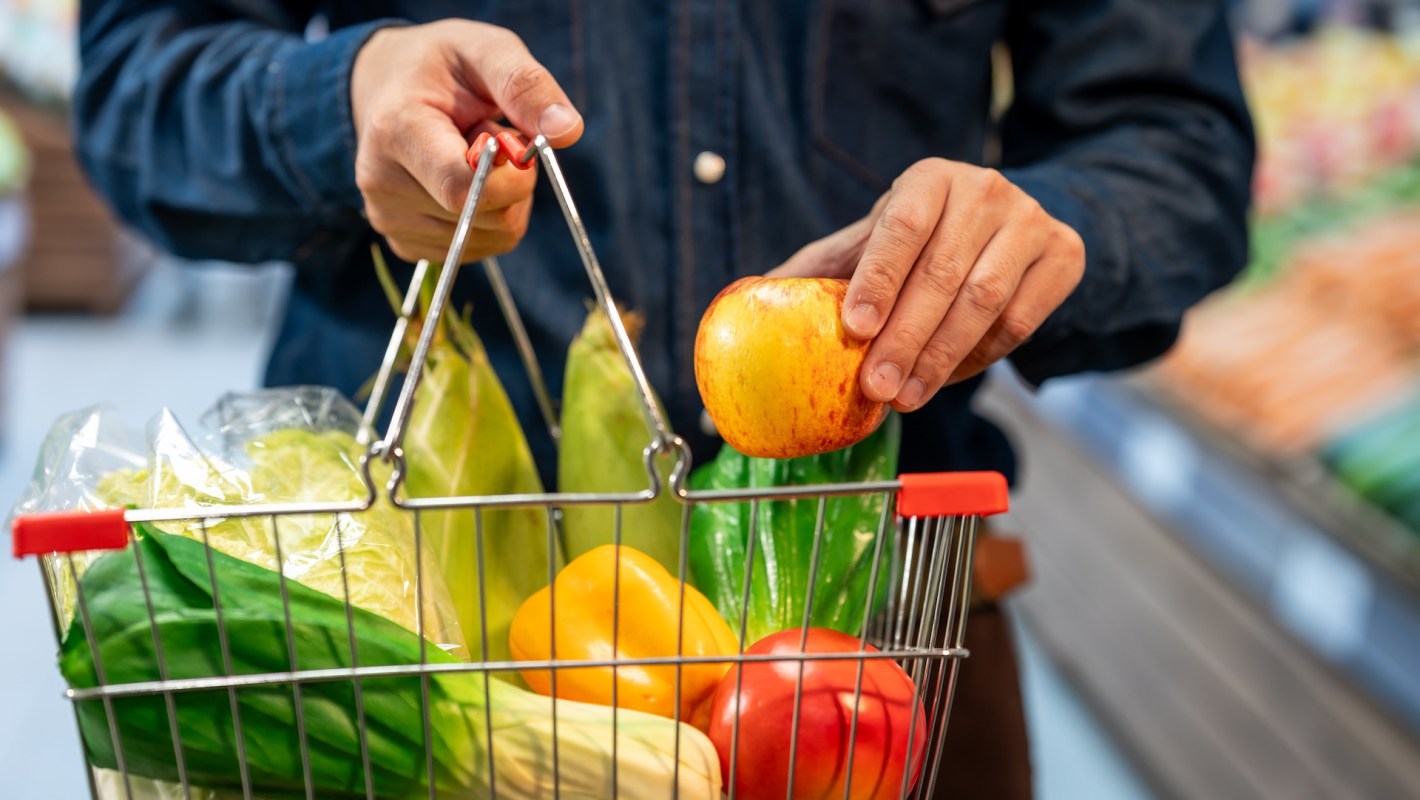
The viral "6-to-1" grocery method is gaining traction in the United Kingdom as shoppers look for ways to rein in high food costs.
However, finance experts say the formula is only a flexible guide, since savings can vary by household.
Here's what to know
Rather than building a list item by item, chef Will Coleman's 6-to-1 plan, as outlined by The Independent, breaks a grocery trip into six vegetables, five fruits, four proteins, three carbohydrates, two sauces, spreads, or dips, and one treat. The method is meant to simplify meal planning and make shopping choices more deliberate.
Nouran Moustafa, a financial and mortgage adviser at Roxton Wealth, said, "The cost of living is hitting everyone and there are certain things people won't be able to cut down their costs in, such as the cost of housing or the cost of transport. So, one of the only things that people can control is their shopping habits."
Kevin Mountford, a personal finance expert and co-founder of Raisin UK, similarly said a preset shopping framework can make spending more intentional and reinforce budgeting discipline.
He added that Raisin UK's latest Great British Savings Report, conducted by Opinion Matters, polled 2,000 nationally representative U.K. adults and found 42% of those who drew on savings used it for everyday costs like groceries and bills.
TCD Picks » Quince Spotlight
💡These best-sellers from Quince deliver affordable, sustainable luxury for all




More background
Still, it does not automatically cut the cost of a shop. Because it relies on fixed numbers, the method will not suit every household equally. A family of five likely has very different needs than someone who lives alone.
Mountford said, "Some shopping and budgeting methods tend to be overly rigid. For example, with this 6-to-1 method, you might not want or need six different types of vegetables, especially if there's only one or two of you in your household."
Perishable items create another challenge. Mountford said products like sourdough bread can go stale before a smaller household finishes them, meaning even a well-planned shop may cost more if some of it ends up being thrown away.
He said that when food is wasted, so is the money spent on it, and the total bill can also rise quickly depending on which versions of the items shoppers choose, especially when branding and packaging push them toward more expensive options.
What can be done?
Overall, the experts stand by the 6-to-1 method as an adjustable template. Mountford said shoppers should regularly revisit their budgets and buying patterns so the method keeps pace with shifts in prices, household size, and everyday needs.
He also gave another tip, saying, "From my experience, when you go into supermarket the expensive, better-known brands tend to be on a high level. Whereas, if you look on the lower shelves or at the end of aisle, that's often where you will find the better bargains."
Store loyalty programs may offer another way to lower costs. Mountford specifically pointed to Sainsbury's Nectar card and Tesco's Clubcard as two options that can provide meaningful discounts.
Shoppers who can choose between multiple supermarkets may also benefit from comparing prices across stores.
"If the aim is to save money, I would pair the method with three simple habits: set a spending limit before you go, compare the price per unit rather than just the shelf price, and plan how each item will be used across the week," advised Mountford. "That way, the method is helping reduce both overspending and waste rather than simply changing the shape of the shopping list."
Where can I learn more?
Shoppers are finding all kinds of ways to deal with high grocery costs and food waste.
• In Australia, a dangerous misconception driving up grocery costs is squeezing household budgets.
• For many households, freezing food before it spoils is an easy way to cut waste.
• At some grocery stores, an ingenious cheaper-food program is helping shoppers save and waste less.
• Bulk Barn shoppers say saving money on bulk items gets easier with reusable containers.
• More shoppers are finding that saving money on produce starts with rescuing overlooked fruits and vegetables.

Get TCD's free newsletters for easy tips, smart advice, and a chance to earn $5,000 toward home upgrades. To see more stories like this one, change your Google preferences here.







