


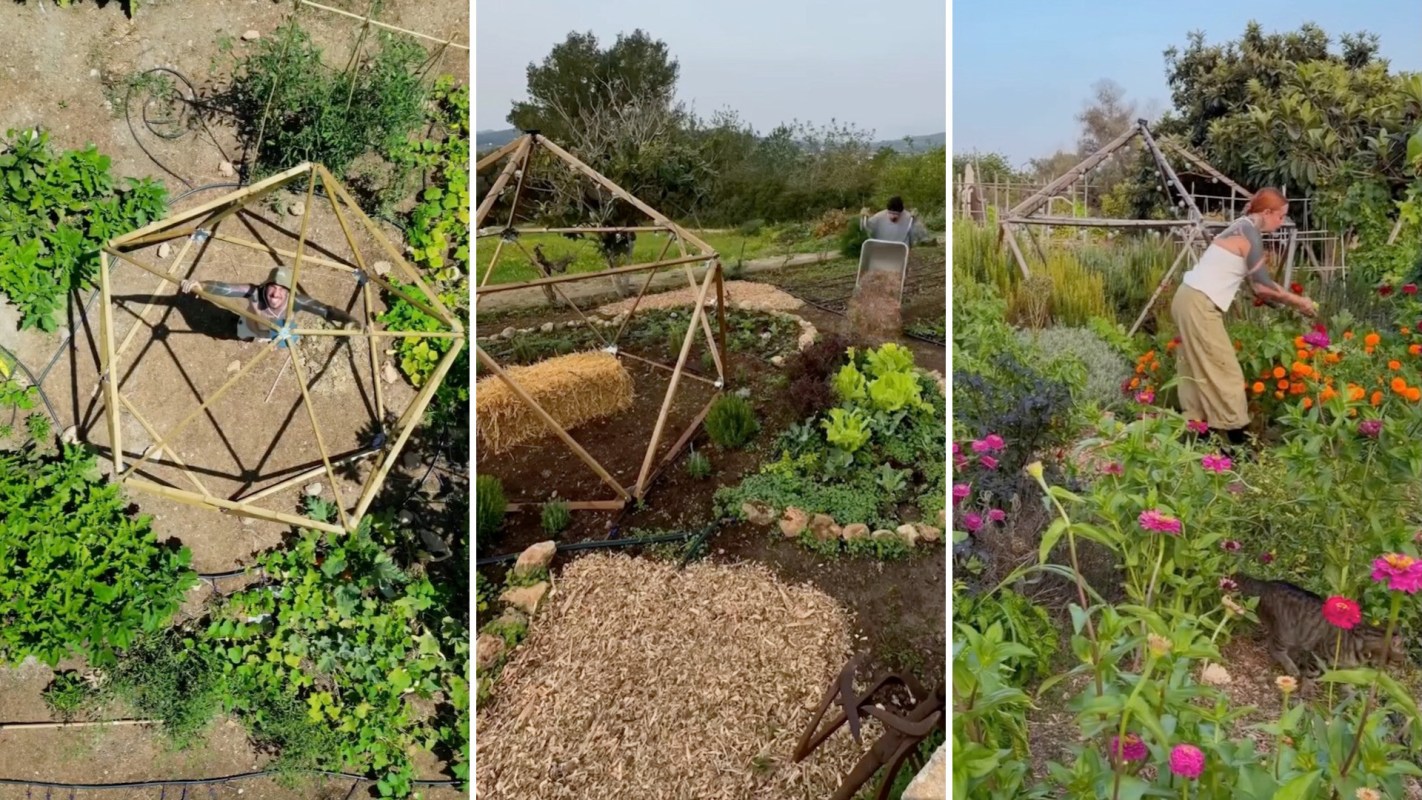
A zero-waste farm does not have to start with a sprawling field or a polished master plan. Instagram creator Alessandro Vitale (@spicymoustache) shared a reel showing a compact zero-waste farm taking shape around a geodesic dome, offering a glimpse of what sustainable living can look like.
Here's what to know
Vitale posted footage on Instagram showing the process of building his own zero-waste farm after moving out of the city two years ago. In the caption, the creator described the project this way: "Building our little zero waste farm, one purpose at a time."
The caption also made it clear that the dome was chosen for more than looks. "We chose @magidome at its heart because its geometry echoes the molecular structure of carbon, one of the building blocks of life."
The reel highlights the extensive building process as it unfolds, including tilling the soil, building a compost bin, and planting a papaya tree with a time capsule buried underneath.
More background
Posts like this are appearing at a time when more people are looking for practical ways to reduce household waste, grow some of their own food, and spend less on packaged groceries. A backyard or small-scale growing setup will not replace a supermarket for most families, but even a modest garden can help lower spending on herbs, greens, and seasonal produce.
The geodesic dome adds another layer of appeal.
TCD Picks » Quince Spotlight
💡These best-sellers from Quince deliver affordable, sustainable luxury for all




Structures like these are often valued for their strength, efficient use of materials, and ability to create a controlled growing environment within a relatively compact footprint.
The project is being developed as a space for growing food, trying reuse-focused ideas, and spending more time outdoors.
What can be done?
A geodesic dome is not a necessary place to start. Beginning with one practical goal — such as growing a few vegetables, composting food scraps, or reusing containers for seedlings — can be far more achievable than trying to overhaul an entire lifestyle all at once.
Growing even a handful of kitchen staples can trim grocery costs over time, while composting and reusing materials can reduce the amount of money spent on disposable products.
People with limited space can still grow herbs on a windowsill, in patio containers, or in a local community garden plot. For those who have yards, adding raised beds, collecting rainwater where allowed, or having a dedicated compost area can help build a lower-waste setup without requiring a major upfront investment.
As Vitale described it, the goal is simple yet expansive: "A place to grow, reconnect and live a little more sustainably."

Get TCD's free newsletters for easy tips, smart advice, and a chance to earn $5,000 toward home upgrades. To see more stories like this one, change your Google preferences here.







