


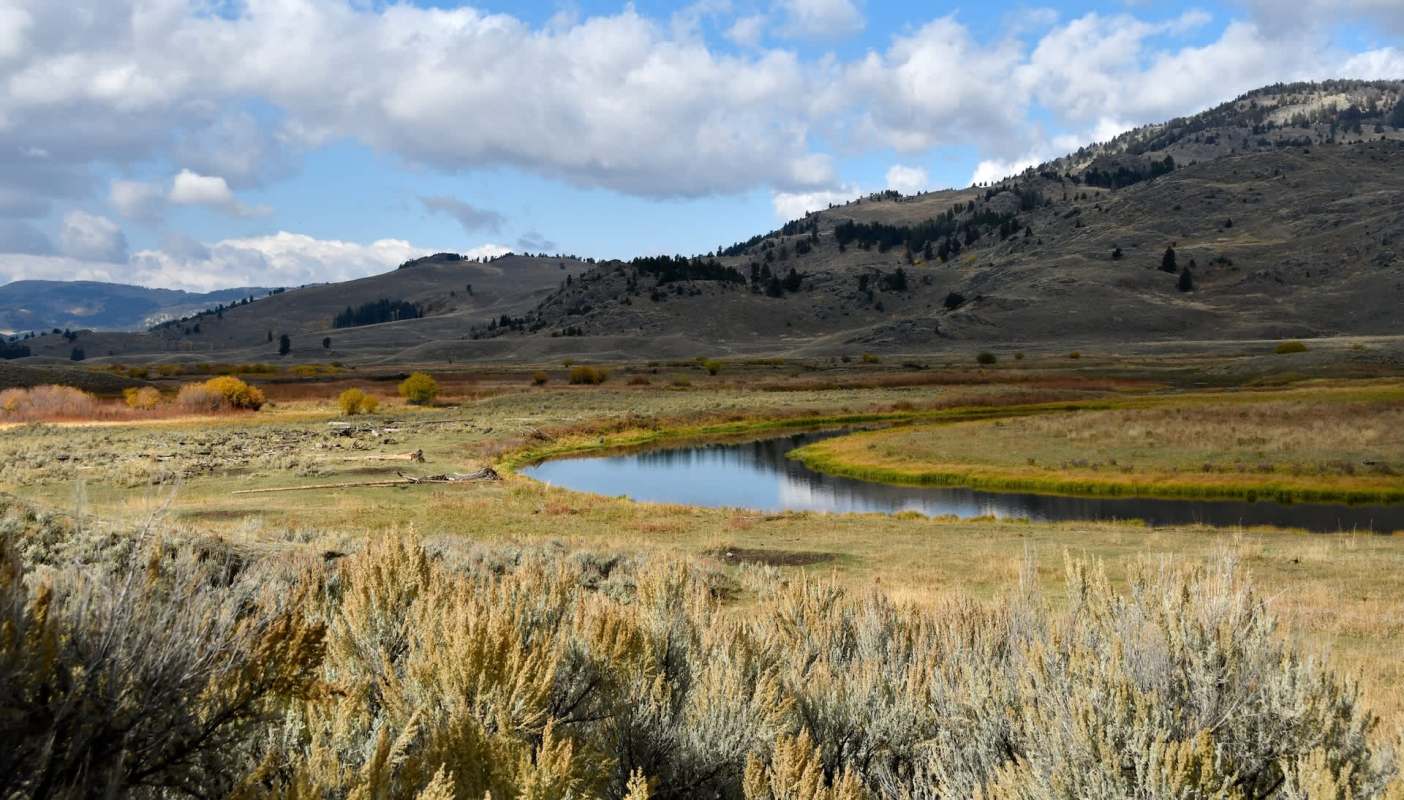
Yellowstone National Park is taking a dramatic step to protect one of the West's most iconic native fish: closing part of Buffalo Creek and using fish poison to remove invasive rainbow trout.
While the temporary closure may sound extreme, park officials say the move is meant to help Yellowstone cutthroat trout recover, a species deeply tied to the region's ecology, recreation, and outdoor heritage.
Here's what to know
From Aug. 31 through Sept. 6, Yellowstone will close Buffalo Creek in the park's northern region so fisheries biologists can treat the stream with rotenone, a piscicide used to remove fish. Officials said the work will not affect drinking water at Slough Creek Campground, and the creek is set to reopen Sept. 7, according to Wired2Fish.
Officials are trying to remove rainbow trout in Buffalo Creek because that invasive population has been spreading into Slough Creek, Soda Butte Creek, and the Lamar River. In those connected waters, rainbow trout compete with Yellowstone cutthroat trout and interbreed with them, putting the native fish's long-term survival and genetic integrity at risk.
Across the northern Rocky Mountains, Yellowstone cutthroat trout are considered a signature native fish. Their home range is centered in the Yellowstone River drainage and reaches into parts of Wyoming, Montana, and Idaho, where cold, clear water is essential for spawning and growth.
More background
Rotenone is a naturally occurring substance taken from the roots of certain tropical plants. Long before North American fisheries managers adopted it in the 1930s, Indigenous communities in parts of South America and Southeast Asia used plants containing rotenone for fishing; in modern fisheries work, it is classified as a piscicide, meaning a chemical used specifically to remove fish from a body of water.
TCD Picks » Quince Spotlight
💡These best-sellers from Quince deliver affordable, sustainable luxury for all




Biologists typically rely on rotenone when they do not think other techniques will completely eliminate invasive fish. Tools such as electrofishing, netting, trapping, and angling can leave some fish behind, giving unwanted populations a chance to recover and continue damaging native ecosystems.
Park biologists said the Buffalo Creek work includes steps to protect native fish. Because Yellowstone cutthroat rarely show up in that stream, crews plan to electrofish it before treatment and relocate any native cutthroat they find outside the treatment area.
Still, the approach comes with tradeoffs. Rotenone broadly affects gill-breathing organisms, and studies have documented short-term effects on aquatic insects and amphibians. A 2026 U.S. Geological Survey study of two alpine streams in Colorado reported major short-term impacts on some invertebrate communities, though most measured community characteristics returned to pretreatment conditions within 1 to 2 years.
What's being done?
Yellowstone is treating this as part of its broader native-fish conservation effort, which addresses pressure from non-native fish, hybridization, and habitat degradation. Removing the rainbow trout source in Buffalo Creek could help protect Yellowstone cutthroat trout farther downstream in the Lamar River watershed.
That effort could benefit both wildlife and people. Healthy native fish populations strengthen food webs, preserve biodiversity, and help protect the character of waters connected to campers, anglers, guides, and gateway communities tied to park tourism.
In places where native species are steadily being displaced, waiting can make restoration harder and more expensive.
In Yellowstone, officials are betting that a short-term closure and a carefully managed treatment will benefit one of the park's signature native trout and the waters that support it.
Where can I learn more?
Yellowstone's plan for Buffalo Creek is part of a broader pattern across the West, where agencies are making tough calls to head off long-term ecological damage. Similar battles over invasive species and habitat protection near Yellowstone can also have ripple effects that follow native-species recovery.
• Along the Colorado River, the National Park Service is testing new methods to fight invasive species.
• Near Yellowstone, officials secured land once targeted for gold mining to protect roaming wildlife.
• In Yellowstone, wolf recovery helped trigger a stunning 1500% plant comeback along streams.
• In Arizona, officials advanced an initiative to protect the Santa Cruz River corridor.
Each one highlights how closely stream health, native species, and surrounding habitat are tied to one another. That context helps explain why Yellowstone is willing to accept a short-term disruption in Buffalo Creek.

Get TCD's free newsletters for easy tips, smart advice, and a chance to earn $5,000 toward home upgrades. To see more stories like this one, change your Google preferences here.







