


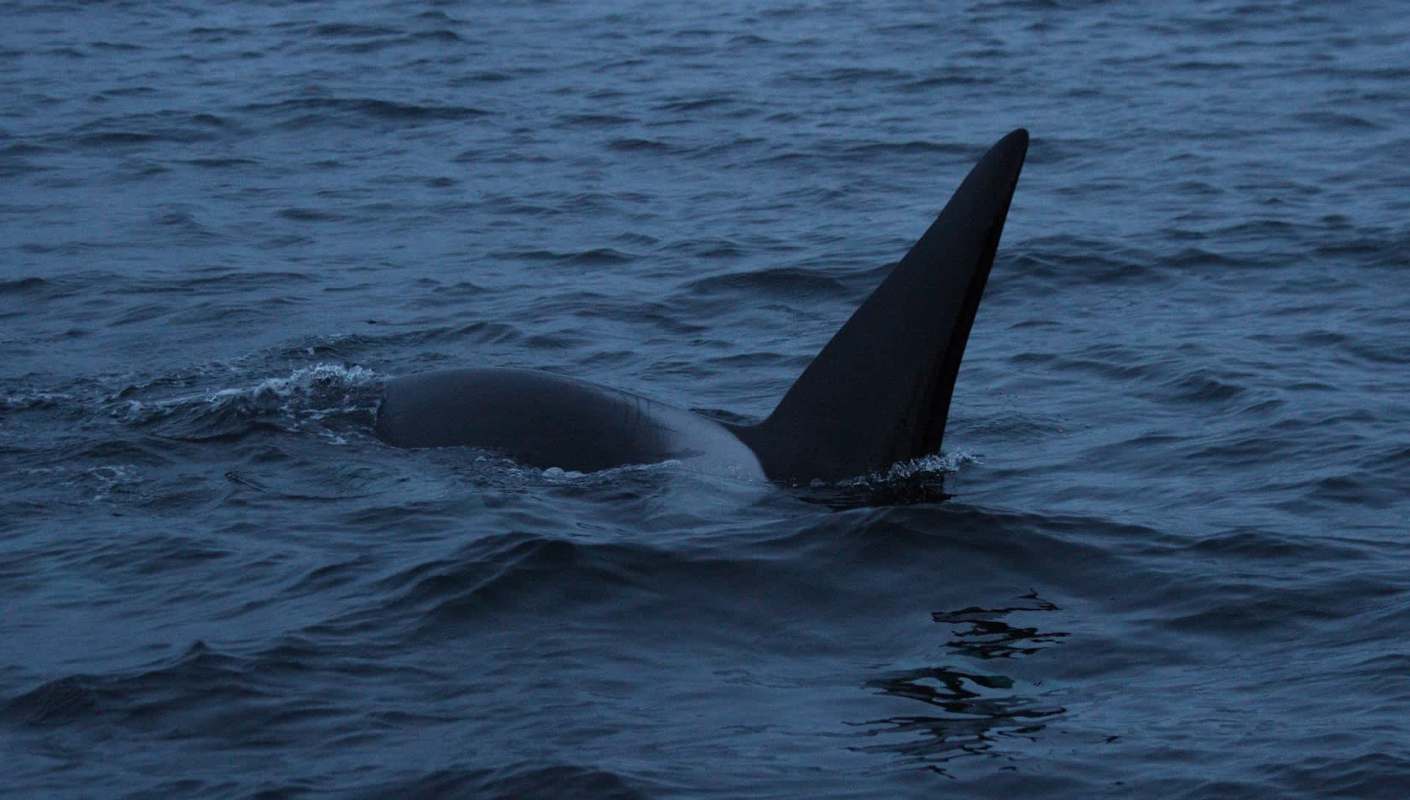
Some opponents of offshore wind development have, since at least 2021, claimed that the projects pose lethal threats to whales. Despite a lack of scientific evidence, the theory has been given voice in recent years by figures such as President Donald Trump. "They're dangerous," he said during a news conference in January 2025. "The windmills are driving the whales crazy, obviously."
But for years, experts have said that clean energy and whale deaths are not related. "There is no evidence linking whale deaths to offshore wind farms or 'windmills,'" OceanCare ocean noise specialist Lindy Weilgart told McClatchy News last winter. "Europe has way more offshore wind farms and has encountered nothing of the sort."
This past October, MIT Technology Review spoke with Jennifer Bloodgood to unpack the science from a wildlife veterinarian's perspective, too.
Bloodgood is an expert in whale necropsies — animal autopsies — and says whales in the Atlantic Ocean may die from incidents like boat strikes, entanglements in fishing gear, and an infection called brucella.
Bloodgood added that when a whale dies, a great effort is made to determine its cause of death.
"Many people's job is to go out and figure out what's happening," Bloodgood said.
She went on to tell MIT, "There is currently no evidence that wind energy is influencing whale strandings."
Bloodgood and other scientists face pressure to combat misinformation and to make their research and data not only publicly available but also accessible. That work can become even more difficult when resources and funding are cut.
As Canary Media reported in October, the United States Department of the Interior notified the New England Aquarium and the Massachusetts Clean Energy Center that it "was terminating funds for research to help protect whale populations." The research included monitoring of a part of the ocean where wind farms were being built.
Clean energy projects, including wind and solar development, can reduce a country's carbon footprint and ultimately protect animals from pollution, rising temperatures, extreme weather, and habitat loss. If misinformation obstructs clean energy advancement, U.S. residents could miss out on the environmental and economic benefits that can make the country more sustainable for humans and wildlife.
TCD Picks » Quince Spotlight
💡These best-sellers from Quince deliver affordable, sustainable luxury for all




|
Do you think America could ever get all of its power from clean energy? Click your choice to see results and speak your mind. |
 No way 👎
Get TCD's free newsletters for easy tips to save more, waste less, and make smarter choices — and earn up to $5,000 toward clean upgrades in TCD's exclusive Rewards Club.
Cool Picks






