Mexican authorities recovered several thousand baby turtles being smuggled as part of a wildlife trafficking operation, AFP reported in an article shared on Phys.org.
What's happening?
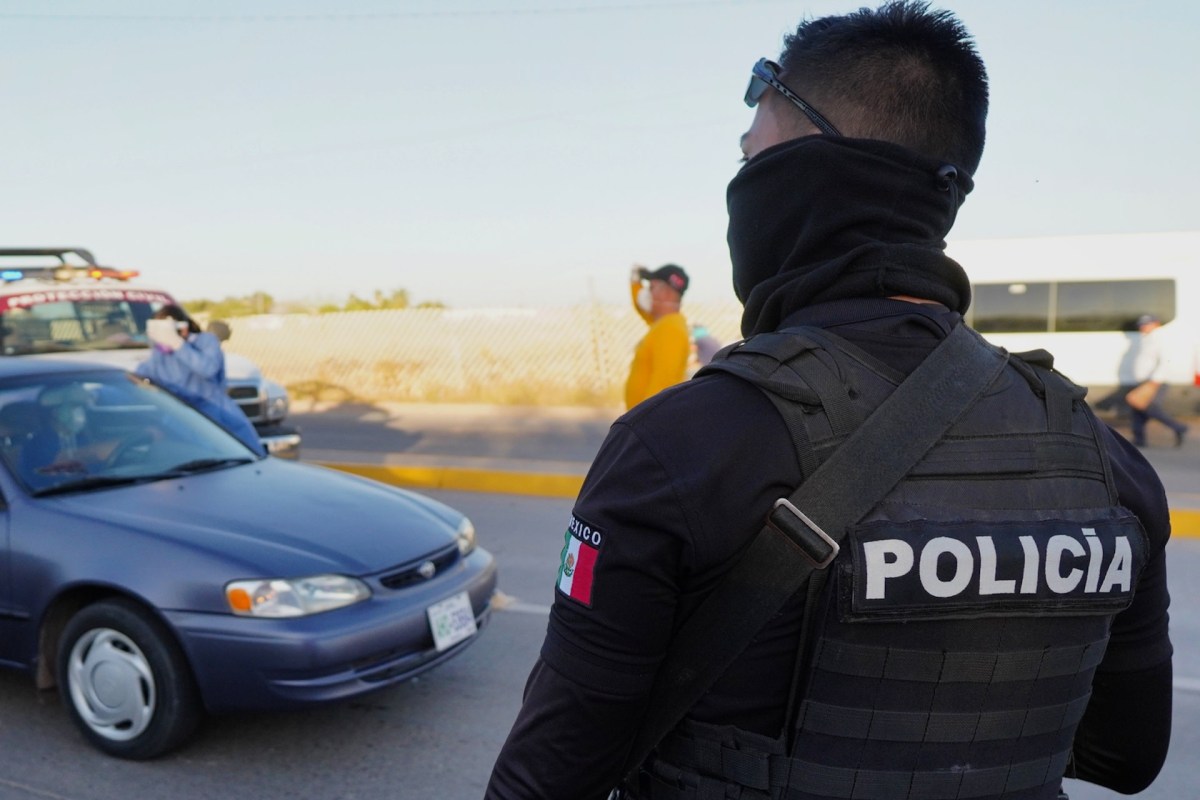
The bust at a roadblock in the southern state of Chiapas uncovered 3,400 baby Meso-American sliders, a protected species of freshwater turtle native to Mexico, Central America, and Colombia. They were crammed into boxes in the back of a truck.
"The specimens were transported without documentation proving their legal origin, which constitutes a violation of environmental regulations," the prosecutor's office said, per AFP.
Why is wildlife trafficking important?
Around the world, threatened species of every description are being carefully helped and protected to keep them living healthy lives and reproducing in the wild.
But there are also people with no concern for the well-being of these animals who capture and exploit them for profit, damaging these fragile, vanishing populations in the process.
From a purely human standpoint, wildlife trafficking is already a problem. "Crime convergence" — a phenomenon in which the perpetrators of one type of crime are likely to be participating in other types — means that wildlife trafficking in an area increases the likelihood that locals will be exposed to other crimes that may impact them directly.
TCD Picks » Good Store Spotlight
Get 10% off your next purchase with code TCD10




Meanwhile, removing animals from one area and introducing them as potentially invasive species in another area affects the ecosystems in both locations. It's bad for all the other species connected to the first species or that might end up in competition with it, with ripple effects through the whole environment.
That circles back around and harms people, too, including those who make their living from the environment, eat food from nature, or simply want to enjoy those natural areas that are now being spoiled.
What's being done about the trafficked turtles?
AFP reported that the turtles have been taken to a specialized unit to help them recover from the ordeal and their crowded conditions, and then to assess whether they're in good enough shape to return to the wild.
If they are able to physically recover and can display the right behaviors to support themselves in the wild, then they will be able to return to their native environment to continue the species.
TCD Picks » Quince Spotlight
💡These best-sellers from Quince deliver affordable, sustainable luxury for all




|
Do you think America does a good job of protecting its natural beauty? Click your choice to see results and speak your mind. |
 Definitely 👍
Join our free newsletter for good news and useful tips, and don't miss this cool list of easy ways to help yourself while helping the planet.