


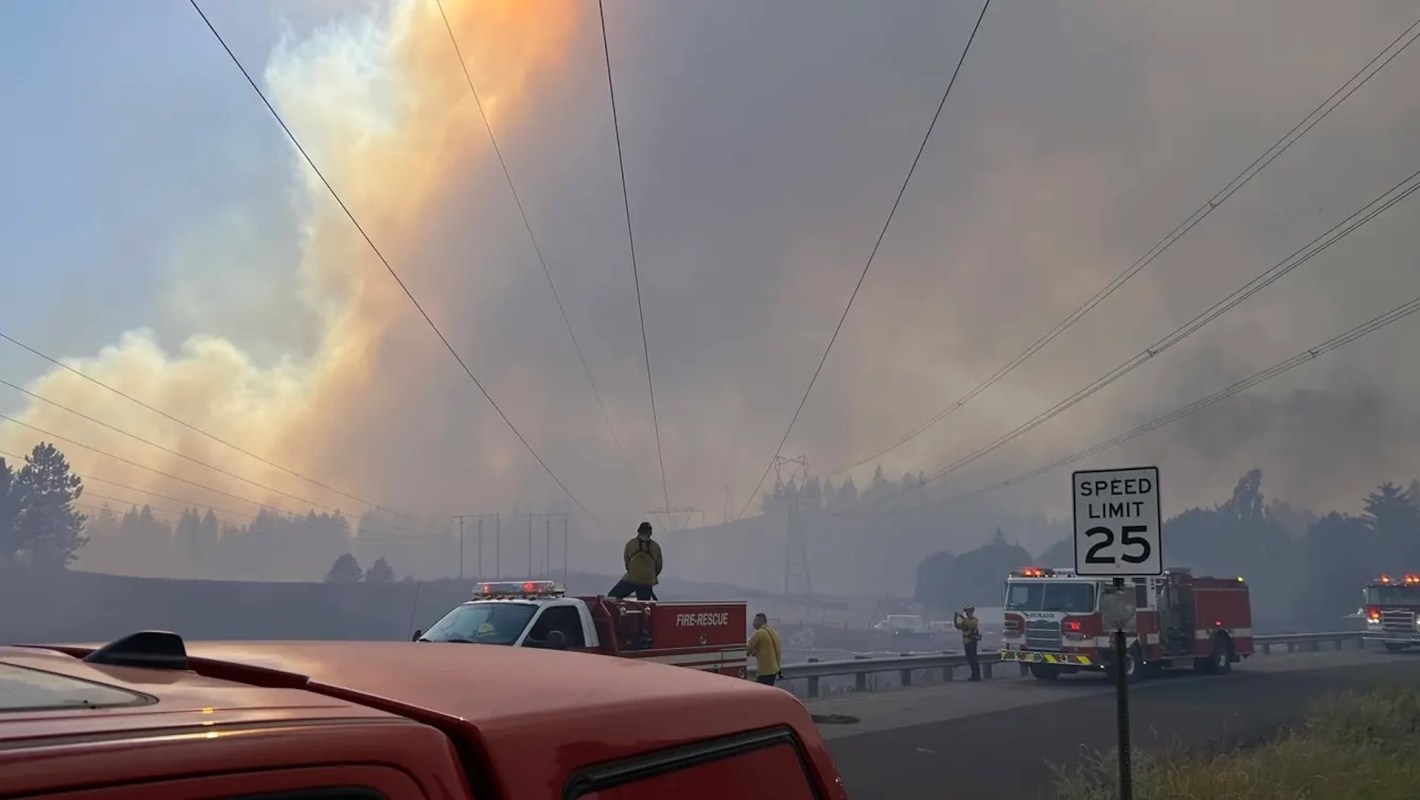
Wildfires tearing toward Spokane have already scorched more than 7,000 acres and destroyed over 600 structures, forcing thousands of Washington residents from their homes as Level 3 evacuation orders continue to expand.
Heavy smoke has settled over the region, public spaces have shut down, and some patients have been moved out of medical facilities as nearby communities prepare for conditions to get worse.
What happened?
Hot, dry and windy weather helped several fires on Spokane's west and northwest sides expand quickly, according to FOX Weather.
The Old Trails Fire was the largest at more than 3,600 acres on Sunday, while the Autumn Lane Fire reached roughly 3,300 acres and has since grown to 4,316 acres, per Watch Duty. The Fairview Fire grew to more than 1,000 acres.
Officials said none of the three fires had any containment.
Level 3 "Go Now" orders were issued for parts of northwest Spokane, Riverside State Park, the West Plains, and nearby communities.
TCD Picks » Quince Spotlight
💡These best-sellers from Quince deliver affordable, sustainable luxury for all




Spokane County declared a state of emergency, and Washington Governor Bob Ferguson issued an emergency declaration along with a burn ban through September 30.
The disruption has reached major institutions as well. The VA medical center was evacuated, with staff transferring patients to local hospitals or shelters, and the campus remains closed.
Sporting events were suspended as flames approached the Dwight Merkel Sports Complex, and Gonzaga University opened dorm rooms to displaced employees.
Across Washington, more than 1,000 fires have burned about 425,000 acres, with over 200,000 acres actively burning in 12 large fires.
Why does it matter?
Extreme weather disasters put lives and livelihoods at risk by destroying housing, disrupting health care, displacing workers, and placing additional strain on emergency response systems.
Wildfire smoke can also aggravate asthma and other respiratory illnesses, while evacuations and road closures interrupt schools, jobs, and local businesses.
When hundreds of structures are destroyed within days, the financial damage can ripple across an entire community long after the fire line moves on.
The broader Pacific Northwest is also in the midst of a severe fire season, with nearly 2 million acres burned across the region, stretching firefighting resources thin and making it harder for crews to contain several dangerous blazes at once.
Even if winds begin to calm, smoke and poor air quality could remain a serious threat for Spokane-area residents.
What's being done?
Crews from across the country have been deployed to help battle the fires, and the Washington National Guard has mobilized troops to assist with evacuations, traffic control, and firefighting operations.
Regional fire departments are also sending brush trucks and additional personnel as resources are pushed to their limits.
Officials said the weather outlook has improved somewhat.
The FOX Forecast Center reported, "While relative humidity will stay low, the overall fire weather conditions should remain manageable for firefighters." It also said there are no remaining fire weather warnings or watches.
Support options are also expanding for those displaced. Emergency shelters have opened for evacuees, Gonzaga University has made dorm space available, and the Spokane Humane Society moved all animals in its care to safety.
Officials urged residents to leave as soon as ordered, stay off the roads unless evacuating, avoid anything that could spark another fire, and rely on official emergency management sources for updates as conditions continue to change.

Get TCD's free newsletters for easy tips, smart advice, and a chance to earn $5,000 toward home upgrades. To see more stories like this one, change your Google preferences here.







