


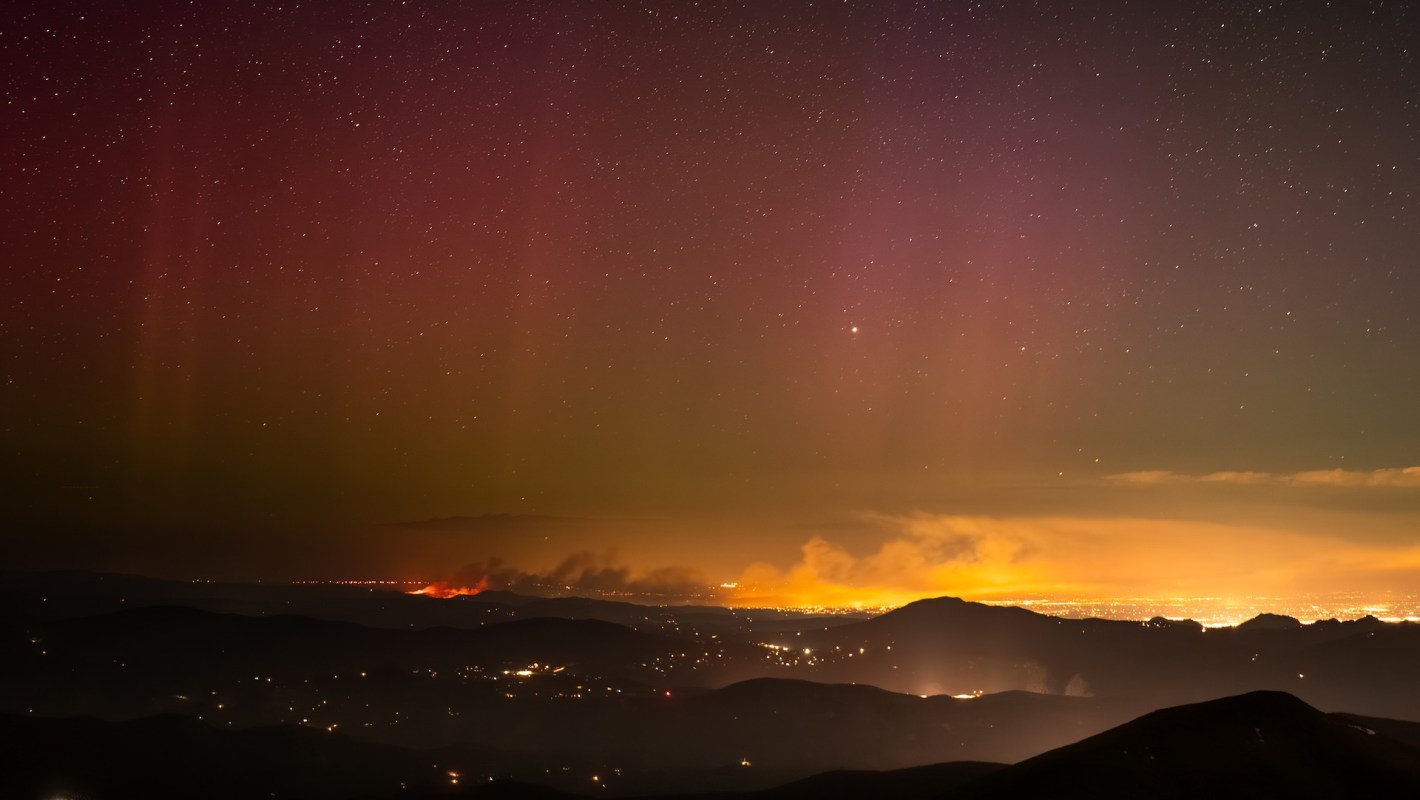
Wildfire smoke is turning skies gray across western Colorado, already beginning to hit Denver, and forecasters say the haze could continue spreading much farther east.
What's happening?
According to reports from CBS News Colorado, fires growing more intense in eastern Utah and western Colorado are sending smoke into mountain communities. The heaviest impacts are expected in western and northwestern Colorado but are already reaching the Denver area.
The latest Colorado state air quality reporting shows wildfire smoke or air quality warnings across nearly the entire state.
Communities including Telluride, Montrose, Delta, Grand Junction, Gunnison, Aspen, Eagle, Glenwood Springs, Meeker, Craig, Steamboat Springs, and Walden could go through periods of especially dense smoke and haze. Travel may also become more difficult for drivers, particularly between Fruita and Mack, where smoke is expected to hang over western Colorado and reduce visibility.
Why does it matter?
Wildfire smoke can irritate the eyes and throat, trigger coughing, and make it harder to breathe — especially for children, seniors, pregnant people, and people with asthma, COPD, or other heart and lung conditions.
It can also disrupt daily life. Poor visibility can make roads more dangerous, while smoky air can force people to cancel outdoor activities, sporting events, and other summer plans.
TCD Picks » Quince Spotlight
💡These best-sellers from Quince deliver affordable, sustainable luxury for all




More destructive fire seasons can threaten public health, strain emergency response systems, reduce community safety on roads and in homes, and create economic losses for families and businesses already dealing with rising costs.
What can I do?
When smoke is present, health officials say one of the easiest ways to cut indoor exposure is to keep windows and doors closed, especially if the air outside looks visibly hazy or smells strongly of smoke. Buying an air purifier or two is also a good idea to help reduce particulate matter indoors.
People in affected areas can also limit strenuous outdoor activity, check local air quality reports before spending time outside, and use air conditioning or air purifiers if available. If you have to drive through smoky areas, slow down and be prepared for visibility to change quickly.
People with asthma, heart disease, or other respiratory conditions should make sure medications are easy to access and monitor symptoms closely. If the smoke expands beyond the Front Range, residents farther east may want to prepare early.

Get TCD's free newsletters for easy tips, smart advice, and a chance to earn $5,000 toward home upgrades. To see more stories like this one, change your Google preferences here.







