


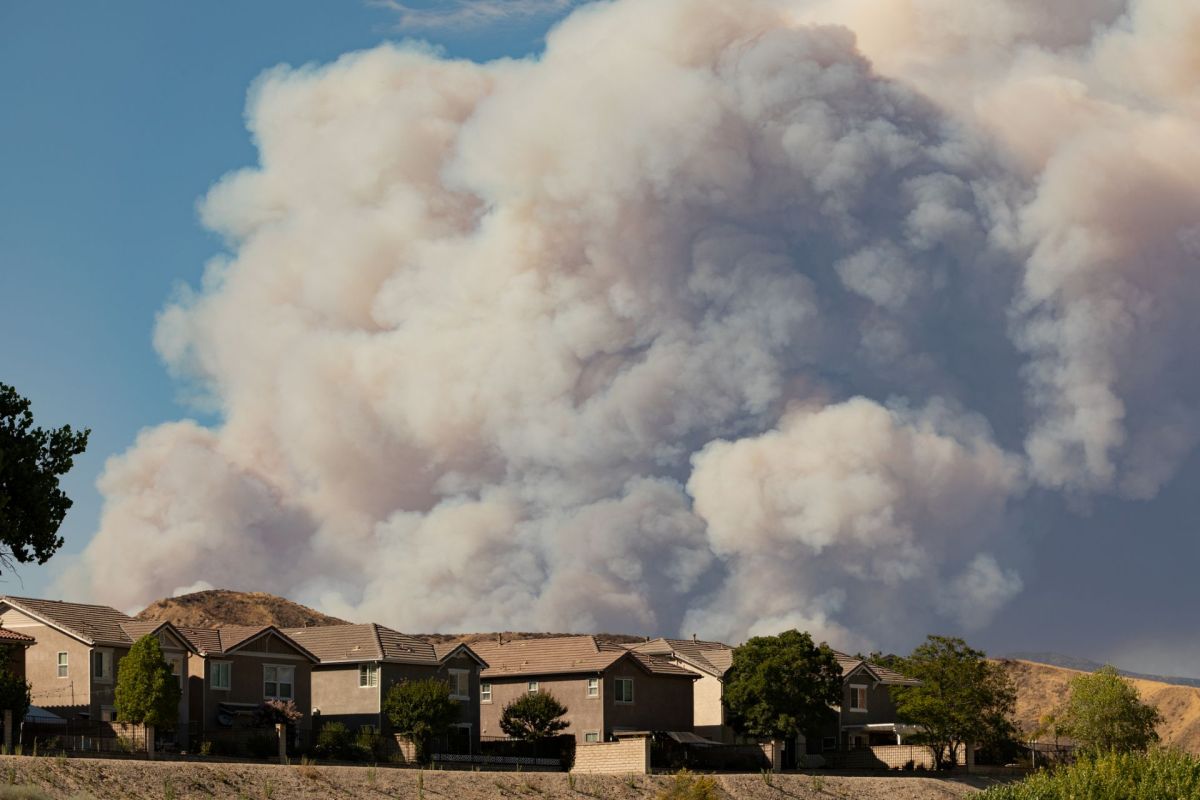
Research published in the European Heart Journal found that wildfire smoke can increase an older person's risk of stroke.
What's happening?
The study examined about 25 million people aged 65 and older in the United States between 2007 and 2018. It used validated Medicare claims to source stroke data and found that about 2.9 million strokes occurred.
Eos noted that the study specifically looked at the three-year period before strokes happened. This allowed researchers to better understand how particulate matter from wildfires and other sources affected people over time.
For every microgram per cubic meter of particulate matter from wildfire smoke, there was a 1.3% increase in a person's risk for stroke. Researchers estimated that this created an additional 17,226 stroke cases per year.
Why is wildfire smoke concerning?
When wildfires burn through an area, they create a ton of air pollution in the form of particulate matter, or PM.
According to the American Lung Association, some pieces of PM are so tiny that they can only be seen with an electron microscope. They can be small enough to pass through lung tissue and into a person's bloodstream, and they can build up over time.
The study noted that long-term PM exposure can lead to inflammation, neurovascular stress, and endothelial dysfunction. The neurovascular system is made of brain cells and blood cells in the brain; damage to it is linked to diseases like Alzheimer's. Endothelial dysfunction, on the other hand, happens when the layer of cells inside a person's blood vessels doesn't function properly.
All three of the symptoms mentioned above can create prime conditions for a stroke.
"Wildfires are becoming a major contributor to ambient air pollution," said Dr. Yang Liu, a professor of environment health at Emory University and the study's lead researcher, per News-Medical.net. "For example, in the Western U.S., wildfire smoke is now reversing decades of improvement in air quality."
Improving air quality is crucial to preventing more people from having strokes caused by environmental harm.
TCD Picks » Quince Spotlight
💡These best-sellers from Quince deliver affordable, sustainable luxury for all




|
Which of these savings plans for rooftop solar panels would be most appealing for you?
Click your choice to see results and earn rewards to spend on home upgrades. |
 Save $1,000 this year 💸
 What's being done about wildfires?
This research provides even more evidence for immediate action for wildfire prevention. Doing so can allow people to live longer lives, reduce their spending on healthcare, and keep communities safer.
Returning land to Indigenous communities throughout the U.S. can lead to better land management and fewer large wildfires. The Indigenous Peoples Burning Network allows Native American people to continue burning practices to bring balance to the land.
If you must go outside during a wildfire, protecting yourself is key. Wearing a high-quality and well-fitting mask can keep your lungs healthy by filtering out air pollution. KN95s are great options, and when breathing is already tough, N95s can offer extra breathability.
Paying attention to your area's Air Quality Index can also help you figure out when other precautions are needed.

Get TCD's free newsletters for easy tips to save more, waste less, and make smarter choices — and earn up to $5,000 toward clean upgrades in TCD's exclusive Rewards Club.
Cool Picks




