


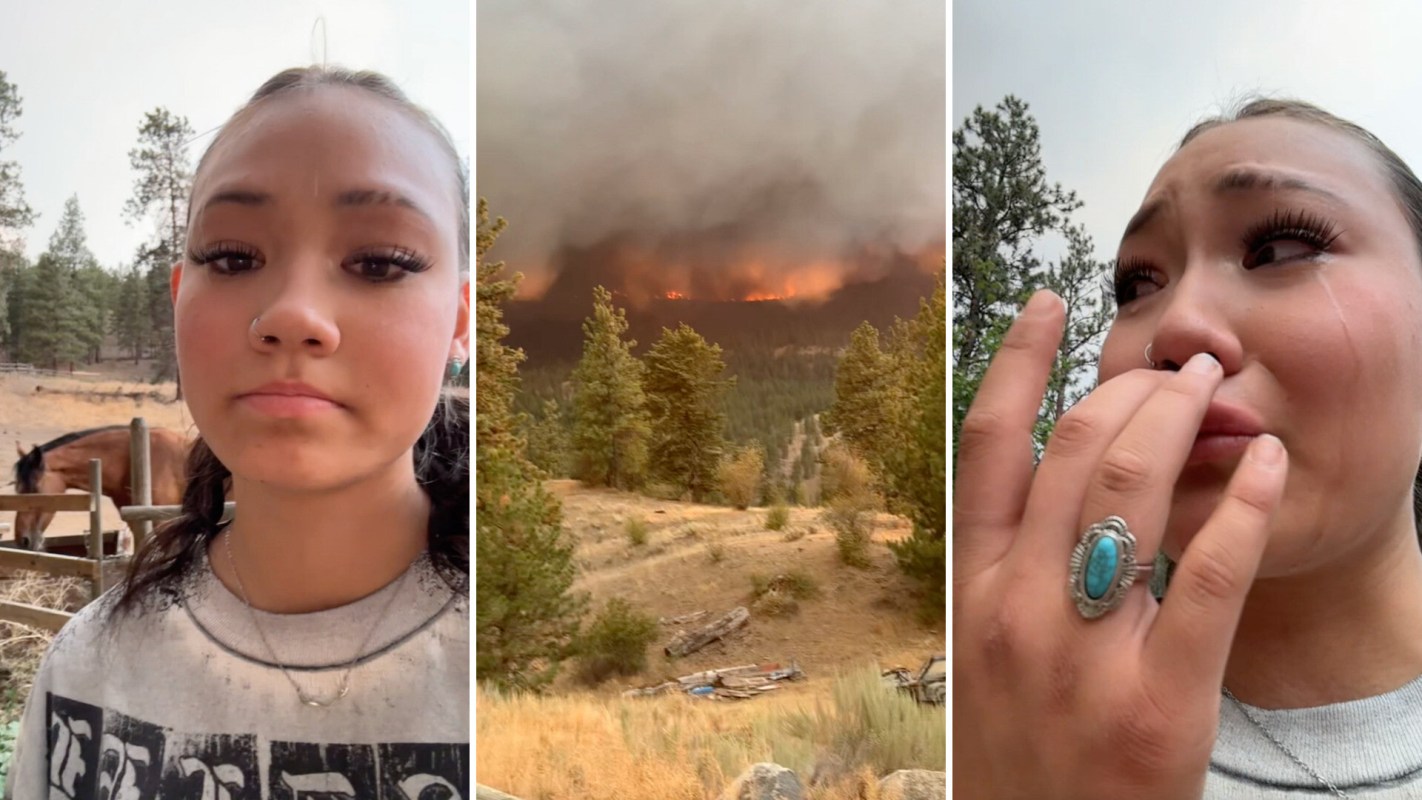
A resident-recorded video from Summerland, British Columbia, brings a fast-moving wildfire's destruction into painfully personal view, serving as a heartbreaking glimpse of how such an event can become an individual tragedy.
In the brief clip, scorched property sits under heavy smoke while evacuations have thrown life in the area into upheaval. The scene shows how quickly dangerous fire conditions can transform a community.
What happened?
On Aug. 9, Maya (@my_main222), a Summerland resident, shared a video on TikTok documenting wildfire damage. In the caption, the creator described it as a "very sad loss."
@my_main222 very sad loss. stay safe everyone. #fyp #summerland #wilfire #BC #evacuation ♬ original sound - perks
As the resident filmed the aftermath, the footage captured burned ground, damaged property, and smoke lingering over the landscape. The caption also urged others to stay safe.
The video comes from Summerland in British Columbia, where hot, dry summer weather can increase wildfire risk. It offers a look at what residents were dealing with as flames moved close to homes and neighborhoods.
"I'm so sorry," one commenter wrote. "I feel so terrible for everyone losing their homes and animals and having to leave and I feel so bad for the wild animals too."
TCD Picks » Quince Spotlight
💡These best-sellers from Quince deliver affordable, sustainable luxury for all




Why does it matter?
Wildfires can threaten far more than buildings. They can force evacuations, close roads, interrupt work, and expose residents to hazardous smoke that can worsen asthma, irritate lungs, and create serious risks for older adults, children, and people with underlying health conditions.
Worsening extreme weather disasters endanger lives and livelihoods by putting public health, community safety, and economic stability under strain. When fire risk rises, families may have to leave with little notice, businesses can lose customers or shut down temporarily, and workers can lose income while communities face cleanup and recovery costs.
Smoke and fire damage can also have lingering effects. Even after flames move on, people may return to damaged homes, unhealthy air, and uncertainty about insurance, rebuilding, and future safety.
What's being done?
When wildfire danger escalates, responses typically center on evacuation planning, emergency alerts, and public safety guidance. Residents in fire-prone areas are often encouraged to monitor official updates, prepare go-bags, keep important documents accessible, and leave early if authorities say conditions are becoming unsafe.
People outside the immediate evacuation zone can still take practical steps to protect themselves from smoke and disruption. That can include keeping windows closed during smoky periods, using air filtration if available, limiting strenuous outdoor activity, and checking in on neighbors who may need help getting information or transportation.
Communities facing repeated wildfire threats often focus on emergency preparedness, creating defensible space around homes, and restoration work after fire damage. Advance planning can reduce risk and make a dangerous situation more manageable.

Get TCD's free newsletters for easy tips, smart advice, and a chance to earn $5,000 toward home upgrades. To see more stories like this one, change your Google preferences here.







