


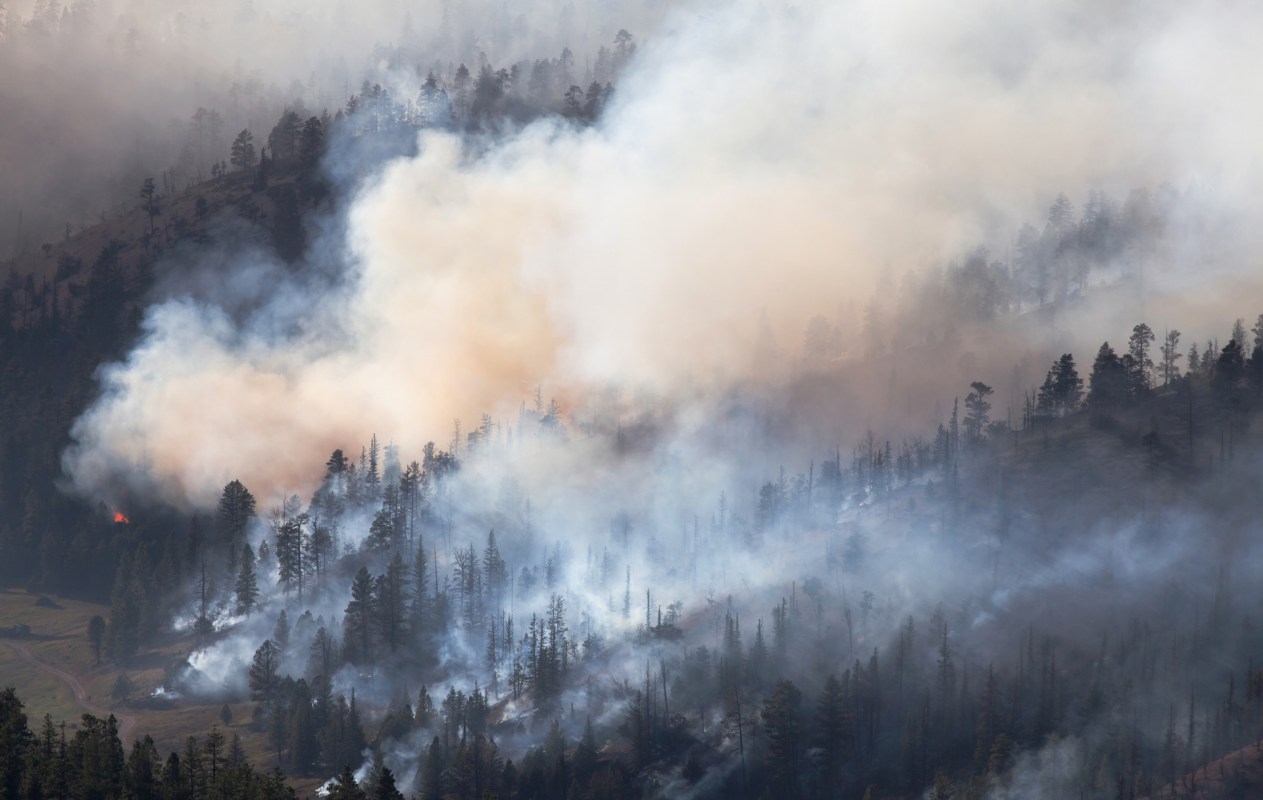
Utah is heading into the July Fourth holiday under extreme fire danger, with officials moving to curb one of the season's most visible risk factors: fireworks.
State leaders responded by declaring an emergency and tightening fireworks rules as the nation's largest wildfire, burning in southern Utah and damaging a ski resort, raised concern about more human-caused blazes.
What's happening?
With the holiday approaching, Utah Gov. Spencer Cox on Friday declared a state of emergency and imposed fireworks restrictions while the Cottonwood Fire continued to spread quickly.
Forestry officials said the blaze began June 22 and had grown to nearly 94,000 acres by Monday with 0% containment, according to KUTV and The Associated Press. At that point, it was one of six major wildfires burning across Utah.
Mandatory evacuations followed major damage at Eagle Point ski resort in Beaver County.
Another sign of the danger came from the National Weather Service office in Salt Lake City, which for the first time in its history issued a "particularly dangerous situation" warning for five Utah counties. Cox's emergency order also noted that, since the beginning of fire season, "more than 75% of Utah's wildfires have been human-caused."
TCD Picks » Quince Spotlight
💡These best-sellers from Quince deliver affordable, sustainable luxury for all




Why does it matter?
Wildfire restrictions during a major holiday can affect family celebrations and fireworks sellers.
In severe fire conditions, the restrictions are meant to reduce sparks that can threaten homes, force evacuations, close roads, and increase risks for firefighters and emergency crews.
The damage at Eagle Point shows how wildfire can hit local economies as well as the landscape. Resorts support jobs, tourism, and nearby small businesses, and a major fire can disrupt an entire region.
Reducing human-caused fires can help limit destruction, smoke exposure, and costly emergency response in places facing repeated wildfire threats.
What's being done?
Utah's immediate response is focused on limiting additional ignition sources while crews battle existing fires. The state of emergency and fireworks restrictions are intended to reduce preventable blazes during one of the riskiest times of year.
The guidance includes checking local fireworks rules before celebrating and avoiding setting off fireworks in dry, windy, or restricted areas. Where public celebrations are allowed, professionally managed events are generally considered safer than backyard use.
Preparation steps in fire-prone areas include signing up for local emergency alerts, keeping important documents ready, and having a go-bag packed in case evacuation orders change quickly. For households affected by smoke, staying indoors when possible and using air filtration can help reduce exposure.
To address criticism of fireworks restrictions, communities can offer alternatives such as organized public displays, drone shows, or laser events that preserve the holiday atmosphere without carrying the same wildfire risk. Clear communication from local leaders can help explain the measures.

Get TCD's free newsletters for easy tips, smart advice, and a chance to earn $5,000 toward home upgrades. To see more stories like this one, change your Google preferences here.







