


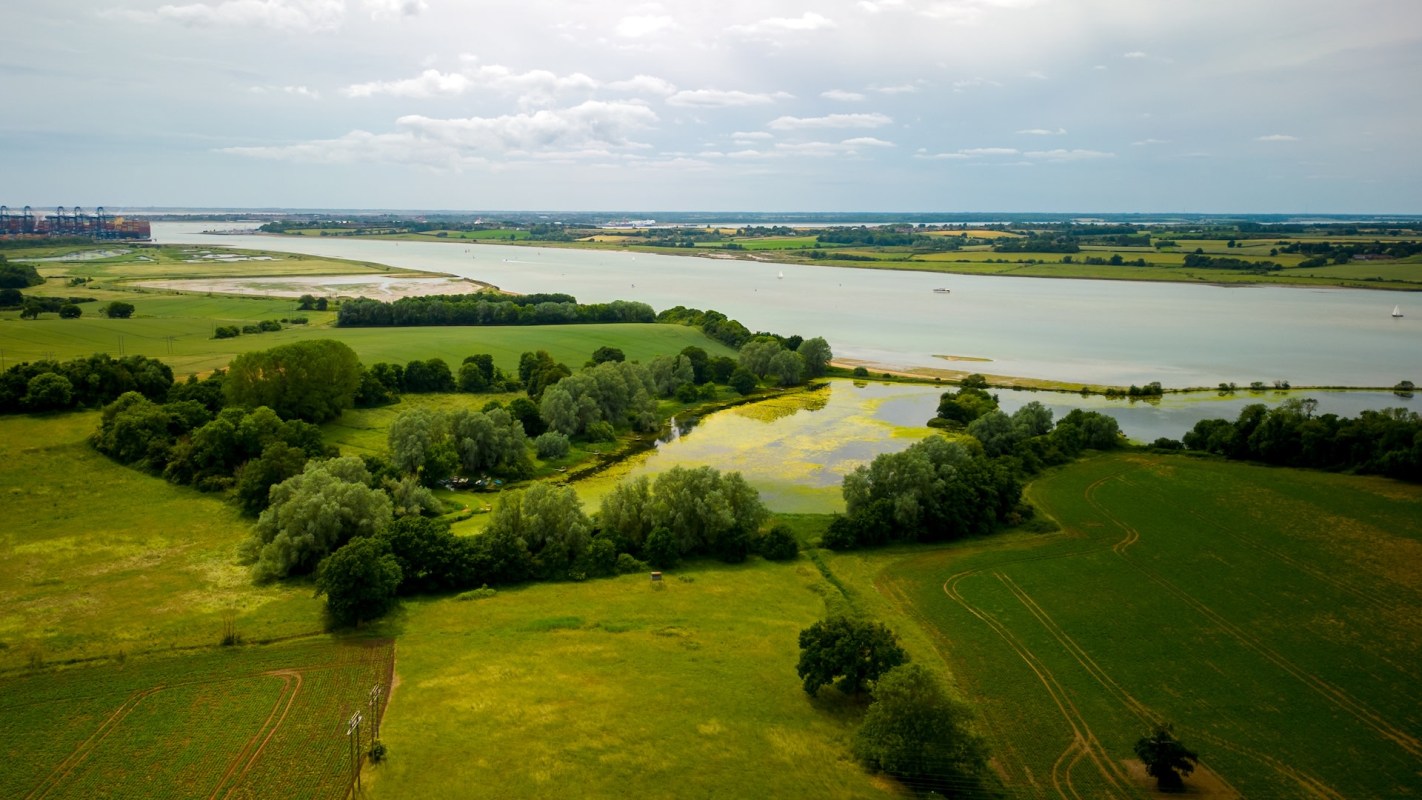
A quiet stretch of river in eastern England is drawing renewed excitement after trail cameras captured rare footage of a wild beaver — an animal unseen in the region for about 400 years, according to the BBC. For local conservationists, the discovery offered a hopeful glimpse of wildlife returning to landscapes where it had once disappeared.
The footage was recorded on November 2 along the Little Ouse River near Thelnetham, Suffolk, and Garboldisham, Norfolk. Remote cameras installed by the Little Ouse Headwaters Project were originally intended to monitor otters, but instead recorded the beaver swimming and feeding along the riverbanks. The sighting followed another nearby wildlife sighting, when a wild beaver was spotted near Fakenham, Norfolk.
Trail cameras like the ones used along the Little Ouse have become increasingly valuable tools for conservation groups and researchers. They allow experts to monitor rare or returning species without disrupting natural behavior, while giving communities tangible evidence of how local rivers and habitats are changing.
Similar technology has provided rare insights elsewhere, such as when trail cameras in the U.S. captured clear footage of a Canada lynx — a notoriously elusive species — which helped researchers to confirm its presence in areas where sightings are uncommon.
Reg Langson, a founding member of the Little Ouse Headwaters Project, said the beaver has continued to appear over the past month.
"[The beaver has] left some feeding signs along the river which are quite clear," he said, per the BBC.
Langson also explained that the beaver initially fed beneath a willow tree before expanding its activity slightly along the river, saying, "We're wondering whether it's wandering [along the river] and if it will just move on. We have no idea whatsoever."
Beyond confirming animal presence, remote cameras can also help experts understand whether animals are settling in or passing through — and, in some cases, whether breeding is occurring. In other regions, footage has documented young animals such as rare wolverine cubs, offering valuable clues about population health.
Five cameras are now monitoring the Little Ouse River as experts work to trace the beaver's origins. Elsewhere in the UK, government approval earlier this year has allowed beavers to be reintroduced more widely — reflecting a broader shift toward managed wildlife reintroduction.
BBC Suffolk shared the news on Facebook, garnering enthusiasm from other users. One user wrote, "How wonderful it is!"
TCD Picks » Quince Spotlight
💡These best-sellers from Quince deliver affordable, sustainable luxury for all




Another concerned user commented, "I hope and pray this beautiful beaver is left alone in peace and quiet."
|
Do you think America does a good job of protecting its natural beauty? Click your choice to see results and speak your mind. |
 Definitely 👍
Get TCD's free newsletters for easy tips to save more, waste less, and make smarter choices — and earn up to $5,000 toward clean upgrades in TCD's exclusive Rewards Club.
Cool Picks






