


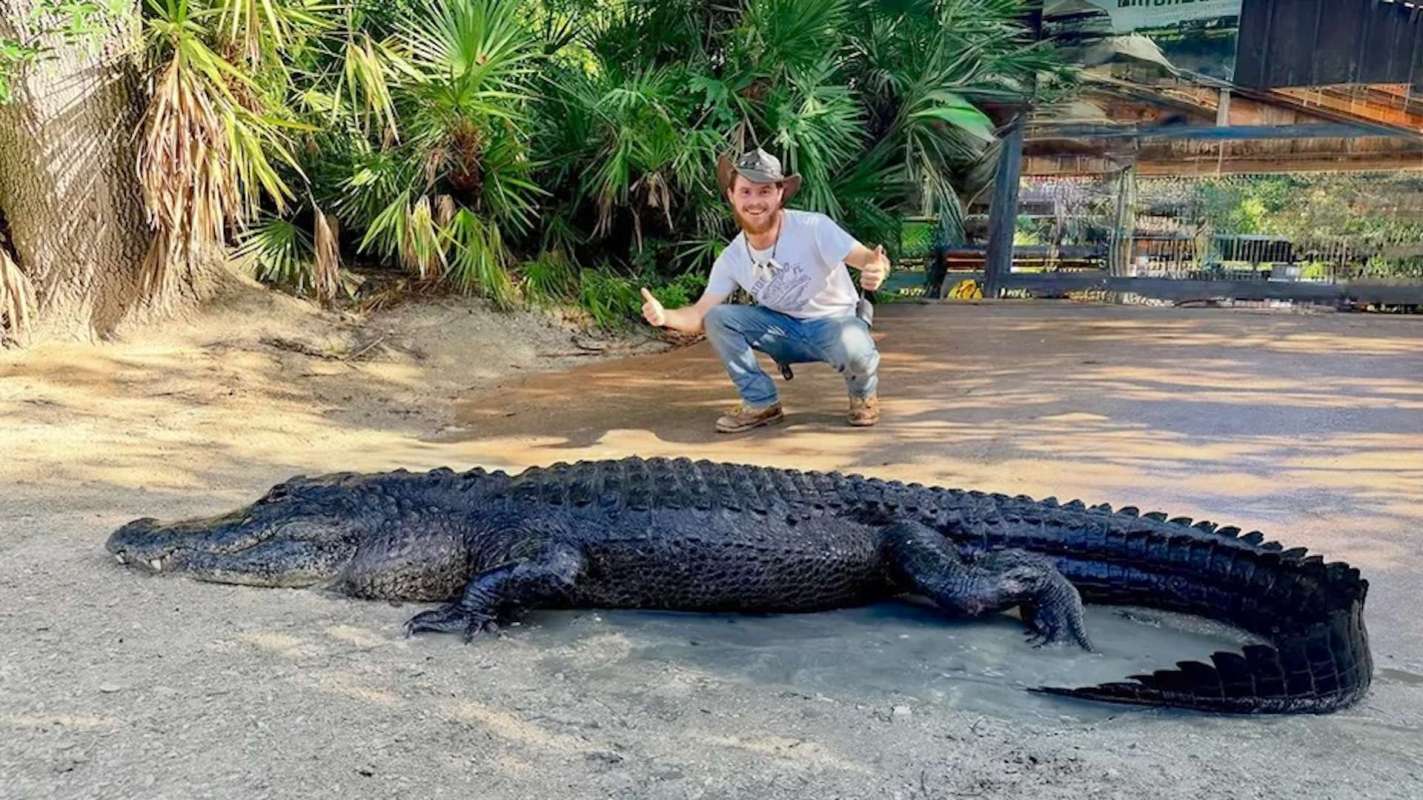
A large alligator in Central Florida now has a new home after people fed it illegally in the wild, which can put both humans and the animal at risk.
Instead of remaining near the Blackwater Creek Preserve area, the reptile will now live in a supervised setting where it can be safely looked after.
What happened?
According to Fox 35 Orlando, Gatorland said illegal feeding caused the alligator to lose its natural fear of people, leading to its removal from the Blackwater Creek Preserve corridor between Plant City and Dade City.
The park said the rescue was handled by Gatorland Global, its conservation program, alongside nuisance alligator trappers who relocate reptiles that can no longer safely remain in the wild.
In this case, the animal's behavior seemed to have changed a significant amount, so officials determined it would no longer be safe for it to stay in the wild.
Florida law bans feeding wild alligators for this reason: when people give them food, the animals can start linking humans with meals, making dangerous encounters more likely for residents, visitors, pets, and the gators themselves.
TCD Picks » Quince Spotlight
💡These best-sellers from Quince deliver affordable, sustainable luxury for all




At the park, according to Gatorland, the alligator will receive regular care and daily feedings.
Why does it matter?
In a state where people and wildlife often share neighborhoods, parks, and waterways, one harmful habit — feeding wild animals for fun, photos, or curiosity — can pose a serious public safety risk when it is normalized over time.
When alligators lose their fear of humans, they may start approaching people more often, lingering near trails or homes, or becoming more aggressive around food. That can force wildlife managers and trappers to step in, reducing the animal's chances of continuing its life in its natural habitat.
Rescue and relocation programs can help prevent immediate harm, but it's best when wild animals can remain wild.
It might just look like one person throwing some food to a wild animal, but the consequences can permanently alter an animal's life and limit its ability to thrive in its natural habitat.
What can I do?
Never feed a wild alligator.
The same principle applies to many other wild animals. Feeding can make them dependent, bolder around people, and more vulnerable to conflict.
If you live in or visit areas where alligators are common, keep your distance, secure pet food and trash, and watch pets closely near ponds, canals, and wetlands.
If an alligator seems unusually comfortable around people or appears to be lingering in a risky area, report it to the appropriate local wildlife authorities rather than trying to handle the situation yourself.
Gatorland says the alligator has not been named yet, and visitors are being invited to suggest one.
The Orlando attraction is home to more than 2,000 alligators and can safely care for animals that cannot return to the wild.

Get TCD's free newsletters for easy tips, smart advice, and a chance to earn $5,000 toward home upgrades. To see more stories like this one, change your Google preferences here.







