


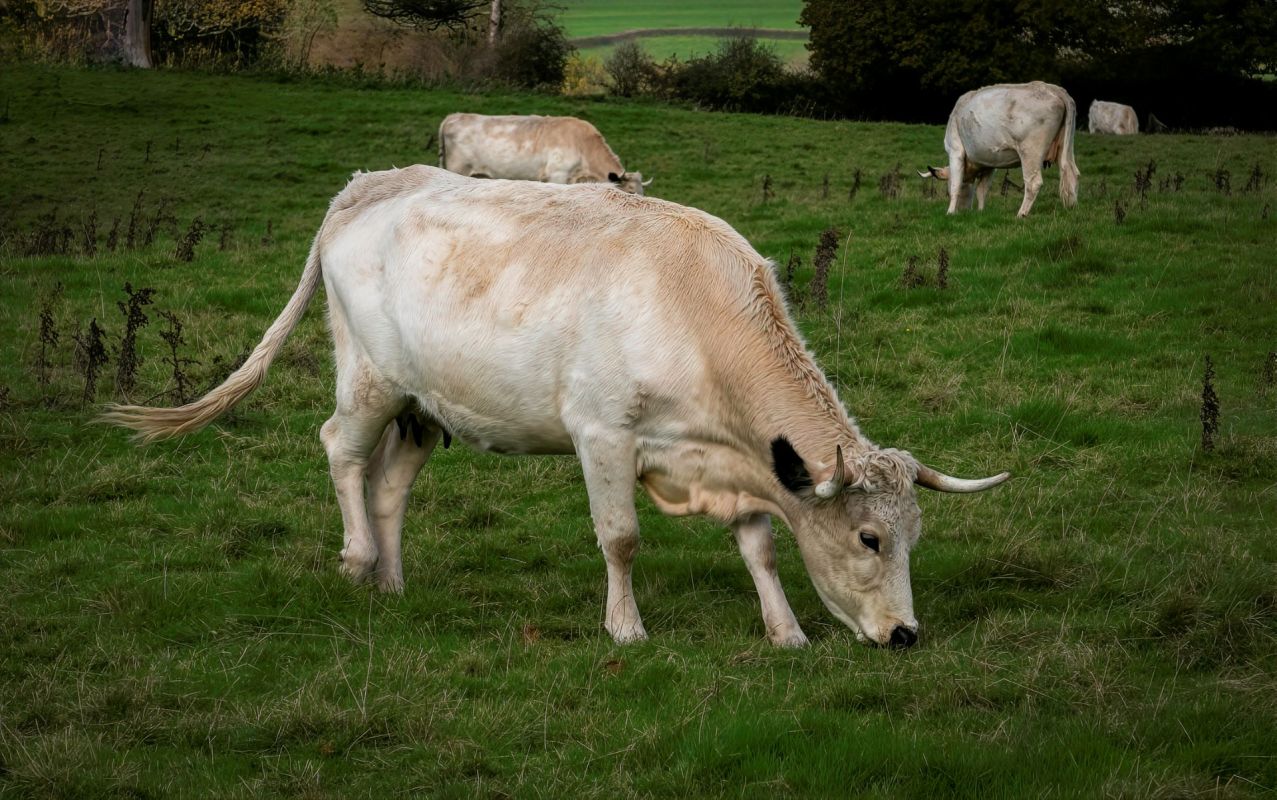
A rare cattle breed with deep roots in Britain's history has taken on a new role in North Yorkshire: helping to shape the future of the Castle Howard Estate.
White Park cows have been introduced to the Castle Howard Estate as part of a decades-long effort to transform former agricultural land into a richer wildlife habitat and restore the landscape for the surrounding community.
Here's what to know
At Bog Hall on the Castle Howard Estate near Malton, the herd has been released as the newest step in a 30-year rewilding program, BBC News reported. The cattle are set to graze newly sown meadows, where the estate said they will "help create a more varied habitat structure."
The estate chose White Park cattle because they are well adapted to conservation grazing in wetter grassland. The breed is also priority-listed by the Rare Breeds Survival Trust, which describes it as "likely the most ancient native cattle in the British Isles."
The wider Bog Hall Habitat Bank plan aims to convert 440 acres of farmland into what the estate called a "thriving space for nature." Part of the site falls within the Howardian Hills National Landscape, and one section is designated as a Site of Importance for Nature Conservation.
More background
The Castle Howard effort also shows that restoration doesn't just mean leaving nature alone to do its thing — sometimes additional efforts can help even further. Before the cattle were released, about three miles of fencing were installed, along with badger tunnels and otter passes to keep wildlife moving safely through the area.
TCD Picks » Quince Spotlight
💡These best-sellers from Quince deliver affordable, sustainable luxury for all




Since work started in 2024, the site has gained restored meadows, scrub banks to protect saplings, and ponds and leaky dams designed to hold more water across the landscape. Those changes can support wildlife while also helping the land cope with heavy rain and dry spells.
Nearby primary schoolchildren also contributed to the project, giving them an opportunity to take part in the restoration effort firsthand. BBC News reported that they helped design signs for the fencing featuring the wildlife they hope to see there in the future.
What's being done?
The Bog Hall project is being delivered by the estate alongside Environment Bank, as BBC News reported, blending conservation planning with on-the-ground habitat work. That includes creating the conditions for species to return naturally while also preparing for future reintroductions.
Guy Thallon, head of natural environment at Castle Howard, said conservation volunteers have already played a central role in the effort. "The conservation volunteers have been preparing the site by creating ponds and planting willow," he said. Future plans also include releasing beavers, another species known for reshaping landscapes in ways that can support wetlands and biodiversity.
Fraser Rutherford, head of marketing at Environment Bank, said the project gives local pupils a "rare opportunity to follow nature restoration throughout their school years and see firsthand how native wildlife returns to a landscape".
Thallon said reintroducing animals had been "inspiring for the whole Castle Howard team and beyond," adding: "We can't wait to see the positive impact of nature's engineers in the coming years."

Get TCD's free newsletters for easy tips, smart advice, and a chance to earn $5,000 toward home upgrades. To see more stories like this one, change your Google preferences here.







