


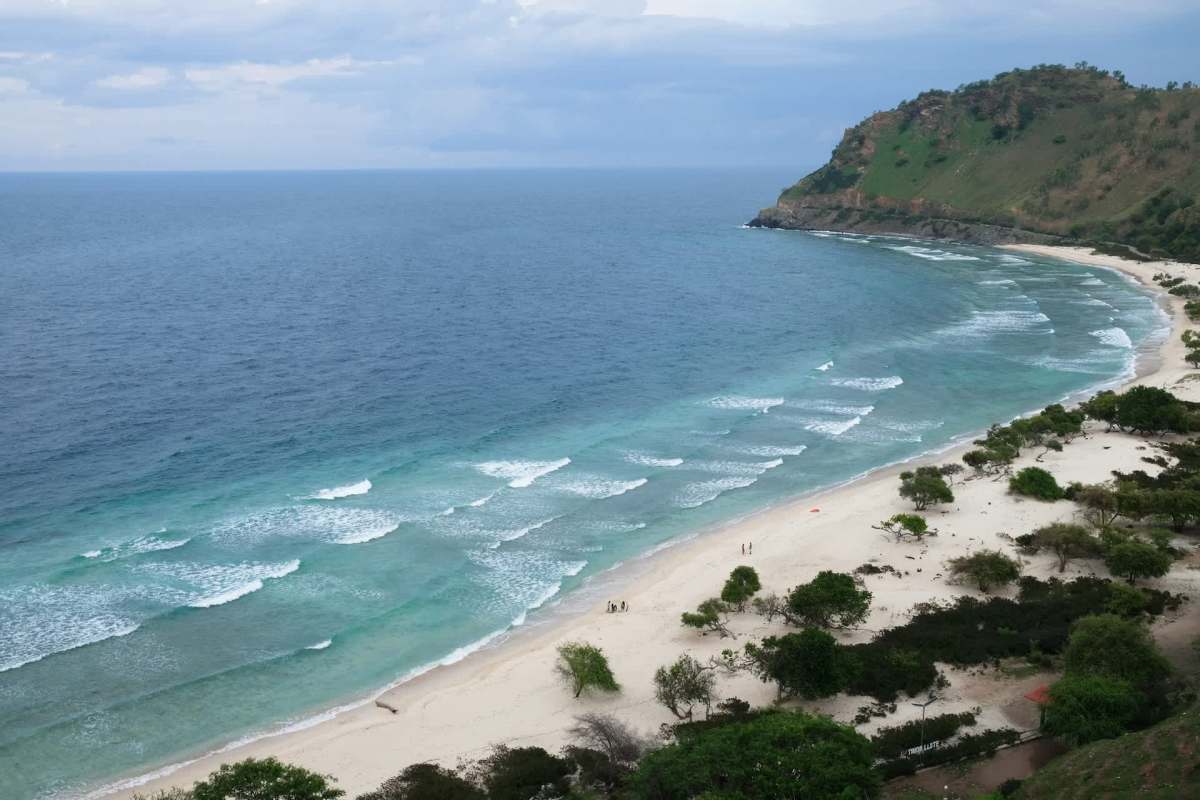
Whale tourism in Timor-Leste is unregulated and out of control, threatening one of the ocean's most important animals.
What's happening?
According to Mongabay, tourists and whale tourism companies in Timor-Leste in Southeast Asia are both pushing things too far.
Swimmers are crowding the whales and diving on them when they surface to breathe. The whale-watching boats also crowd whale pods, with too many boats following around a single pod and causing distress. There have even been reports of boats hitting whales.
Why are these behaviors dangerous for whales?
These behaviors create stressful situations for the whales, depleting the energy they need for migration, making them feel threatened, and disrupting mating, calving, nursing, and feeding.
If the whales can't reproduce, the species will be in danger. Whales are a keystone species, and their existence is crucial to a healthy ocean ecosystem.
Robert Crean, owner of Compass Diving, told Mongabay via email, "If we do not police the rules then there will be no whale migration — and nothing to swim with."
The poor whale tourism practices also hurt the economy. The lack of regulations creates problems with foreign companies, work visas and permits, and tax compliance.
Local conservationist and photographer Jafet Potenzo Lopes explained to Mongabay in an interview, "The consequence is significant economic leakage."
He went on to say that the absence of regulations, along with the presence of foreign-operated companies and entitled tourists, has created an industry that's "operating far outside what most people would consider responsible or ethical whale tourism."
What's being done about the harmful whale tourism?
Advocates are working to improve regulations and laws governing whale tourism in Timor-Leste. A lack of technical expertise, other pressing issues in the nation, and divided responsibility among government entities have delayed the implementation of regulations to protect whales.
TCD Picks » Quince Spotlight
💡These best-sellers from Quince deliver affordable, sustainable luxury for all




|
How concerned are you about the plastic waste in our oceans? Click your choice to see results and speak your mind. |
 Extremely 😫
 Lopes told Mongabay, "If Timor-Leste wants sustainable whale tourism, then regulation, enforcement and legal compliance need to come before expansion."
While government action is needed, tourists and companies can help protect the whales too. Companies must respect the whales and their space, and communicate better with other boats to avoid crowding a pod.
Tourists also need to be more respectful, admiring the creatures from a safe distance and prioritizing the animals' comfort over the perfect Instagram picture.
British underwater photographer Ollie Clarke wrote to Mongabay, "This is a message to the operators — take some time before the season to train your skippers and start caring about this special wildlife which is making you money. And before you all start pointing fingers — everyone is doing it badly."

Get TCD's free newsletters for easy tips to save more, waste less, and make smarter choices — and earn up to $5,000 toward clean upgrades in TCD's exclusive Rewards Club.
Cool Picks






