


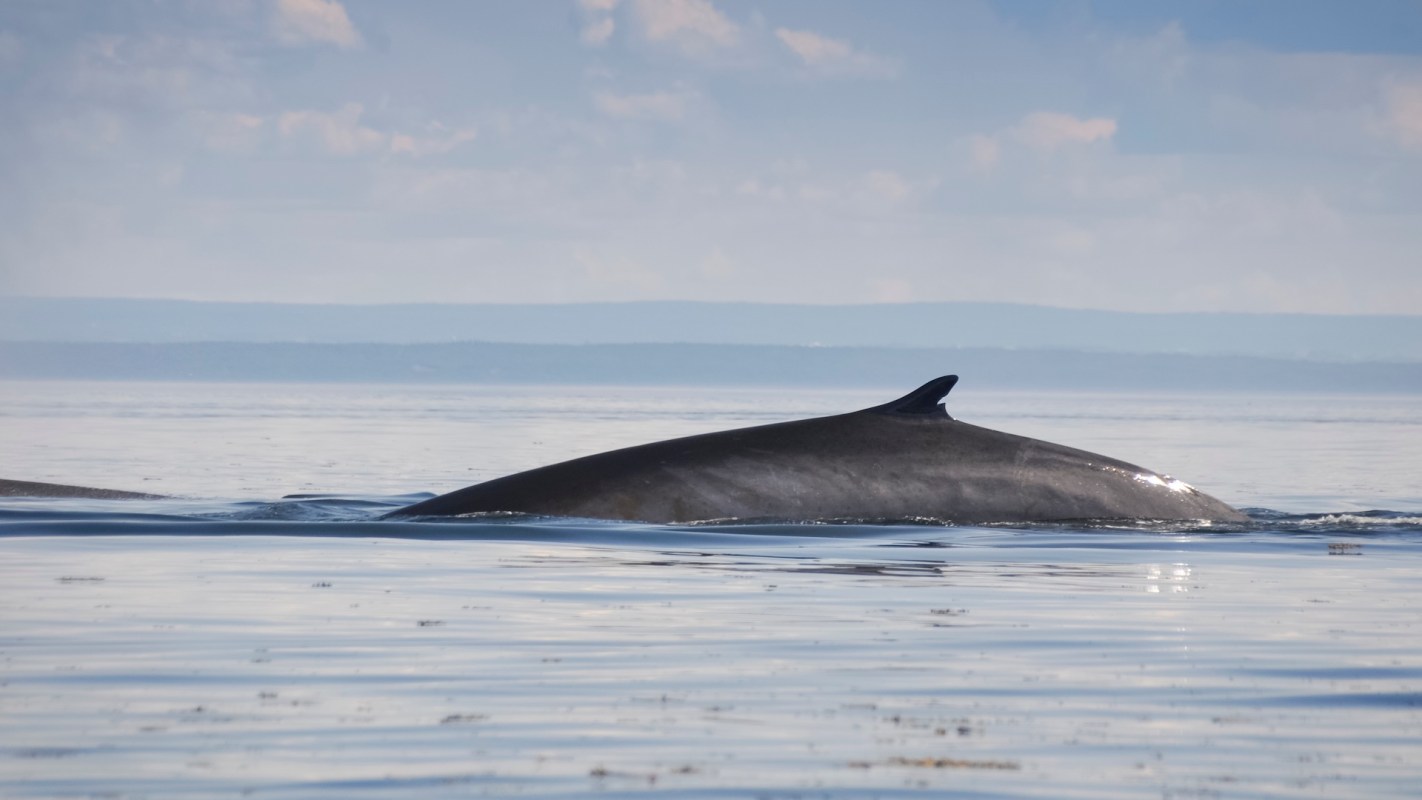
New research has demonstrated how shifting climates are disrupting the diets of multiple whale species.
What's happening?
The study, published in the journal Frontiers, used 28 years of data and found that warming of the northern Atlantic Ocean is shifting the diets of fin, humpback, and minke whales.
Whales in the St. Lawrence have been generally shifting their prey from krill to fish. Pelagic species like capelin, herring, and mackerel were at the top of the menu.
Warming trends have made Arctic krill less available and have dramatically changed the migration habits of other sealife. This reduced supply of krill has forced whale species to adapt in creative ways.
"Rapid environmental changes occurring in the [Gulf of St. Lawrence] seems to have already impacted rorquals," report author Charlotte Tessier-Larivière said. "Highly mobile species like baleen whales can use several strategies to reduce competition, for example by shifting their feeding timing or area, or selecting different prey within a feeding area."
Why are whales important?
Whales play a massive role in the ecosystem. By consuming huge amounts of food, they cycle nutrients for other life further down the food chain. Whales are massive enough that when they die and sink to the bottom of the ocean, they sequester a sizable amount of carbon.
Ensuring their survival is vital for maintaining these ecosystem services.
What's being done about whale food?
Luckily, researchers think the whales they've been monitoring have ample opportunity to feed, despite the change in habits.
"This ecosystem seems sufficiently productive and offers alternative prey that are partitioned across space and time," Tessier-Larivière said. "These conditions promote co-existence rather than one species outcompeting and excluding the others."
Researchers hope their data will inform fisheries management practices. These have the potential to ensure that feeding options remain available for these gentle giants.
TCD Picks » Quince Spotlight
💡These best-sellers from Quince deliver affordable, sustainable luxury for all




|
What's the most you'd pay per month to put solar panels on your roof if there was no down payment?
Click your choice to see results and speak your mind. |
 $200 or more 💰
 On an individual basis, reducing your personal pollution output can slow the rate at which planet-warming gases enter the atmosphere and exacerbate ocean warming.
Leaving a gas-guzzling car at home for short journeys, installing solar panels, and eating more plant-based meals are some of the more practical ways to make a difference.

Get TCD's free newsletters for easy tips to save more, waste less, and make smarter choices — and earn up to $5,000 toward clean upgrades in TCD's exclusive Rewards Club.
Cool Picks




