


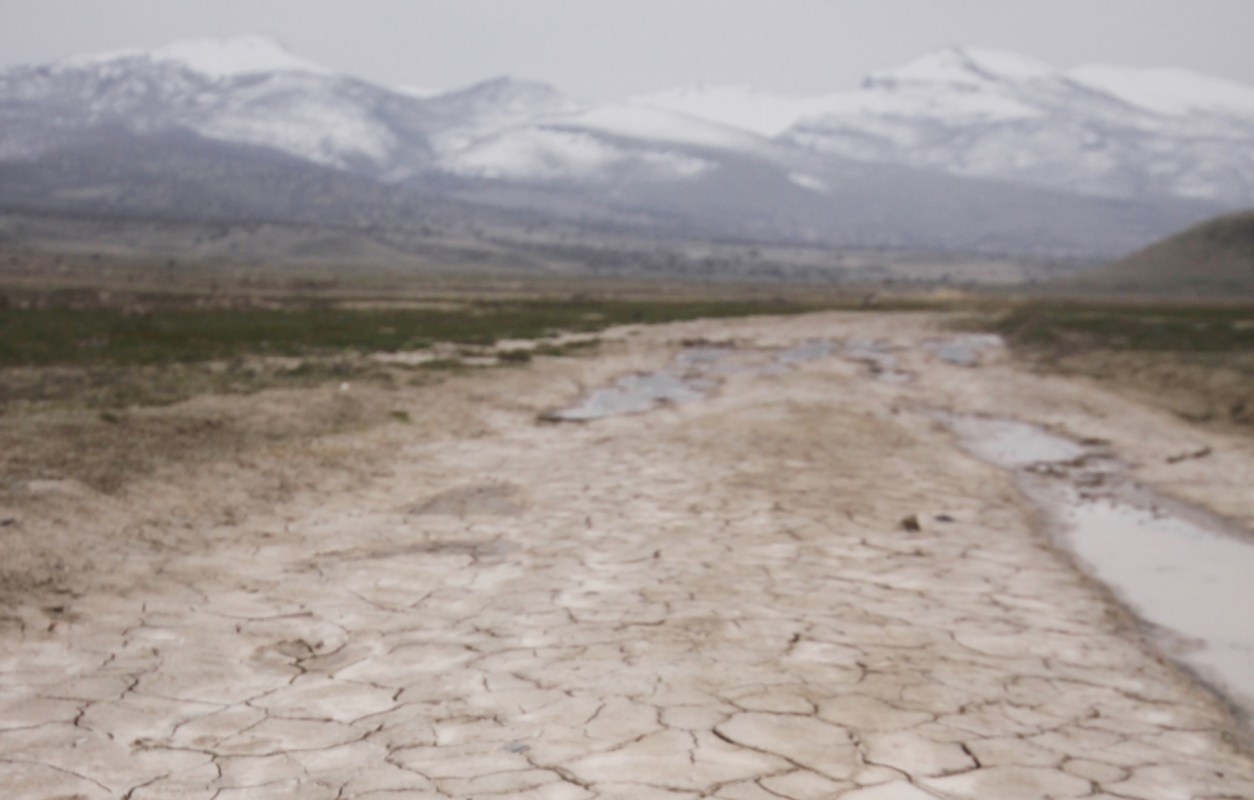
Two towns in Wyoming have been warned that water restrictions may be coming soon. Denver, Colorado, officials have asked area restaurants to serve water only when requested by customers. For the first time in 25 years, residents of Mount Lemmon, Arizona, were hit with water restrictions last August, limiting households to 80 gallons of water per day.
These are just a few of the many implications of an unusually warm and dry winter in the West. They are also signs of even bigger problems that could be coming this summer for several western states.
"It's really grim. It's horrific," Brad Udall, a senior climate scientist at Colorado State University's Colorado Water Center, told USA Today in late March. "The impacts are going to be everywhere, throughout the economy and personally. You will feel this personally as it happens."
States that serve as the headwaters of the Colorado River, as well as states where the river flows on its way south to Mexico, have been hit hard by an ongoing, intensifying drought. The river begins in Colorado's Rocky Mountain National Park. The area enduring drought conditions in Colorado has doubled compared to three months ago, according to the U.S. Drought Monitor.
Drought conditions have also worsened in Utah, Nevada, and New Mexico over the same period. Just over 98% of Utah, 92% of New Mexico, 46% of Nevada, and nearly half of Arizona are experiencing at least moderate drought.
The contiguous U.S. had its second-warmest and fifth-driest winter on record. That overall warm and dry winter pattern spilled over into the start of meteorological spring. The already unusually low snowpack levels across portions of the West were further depleted after two historic spring heat waves struck in March. The lack of snow forced at least one popular ski area in Idaho to close early.
The heat that hit during March was more than unusual — it was unprecedented. The mercury soared to 110 degrees Fahrenheit near Yuma, Arizona, on March 19, setting a new record for the hottest temperature ever reported in March in the U.S. Researchers with World Weather Attribution said March's record-shattering temperatures in the West were "virtually impossible without climate change."
"This intense heat, combined with high winds and pre-existing dryness, threatened to rapidly deplete topsoil moisture and fueled explosive, landscape-altering wildfires — most notably the historic Morrill Fire in Nebraska that consumed 642,029 acres," noted the drought summary from the U.S. Drought Monitor as of late March.
"Ultimately, the combination of soaring temperatures and below-normal precipitation resulted in the expansion of drought and abnormal dryness across portions of the West, Great Plains, and parts of the Southeast."
"The impacts of this early-season heatwave are likely to extend beyond health and have environmental implications," according to a WWA report. Researchers with WWA pointed out that elevated temperatures hastened snowmelt from Colorado's mountains to California's Sierra Nevada. "Early snowmelt in these parts can reduce water availability during the summer months, increasing the risk of water shortages, prolonging and intensifying dry seasons and increasing wildfire danger," researchers added.
TCD Picks » Quince Spotlight
💡These best-sellers from Quince deliver affordable, sustainable luxury for all




|
Which of these savings plans for rooftop solar panels would be most appealing for you?
Click your choice to see results and earn rewards to spend on home upgrades. |
 Save $1,000 this year 💸
Get TCD's free newsletters for easy tips to save more, waste less, and make smarter choices — and earn up to $5,000 toward clean upgrades in TCD's exclusive Rewards Club.
Cool Picks




