


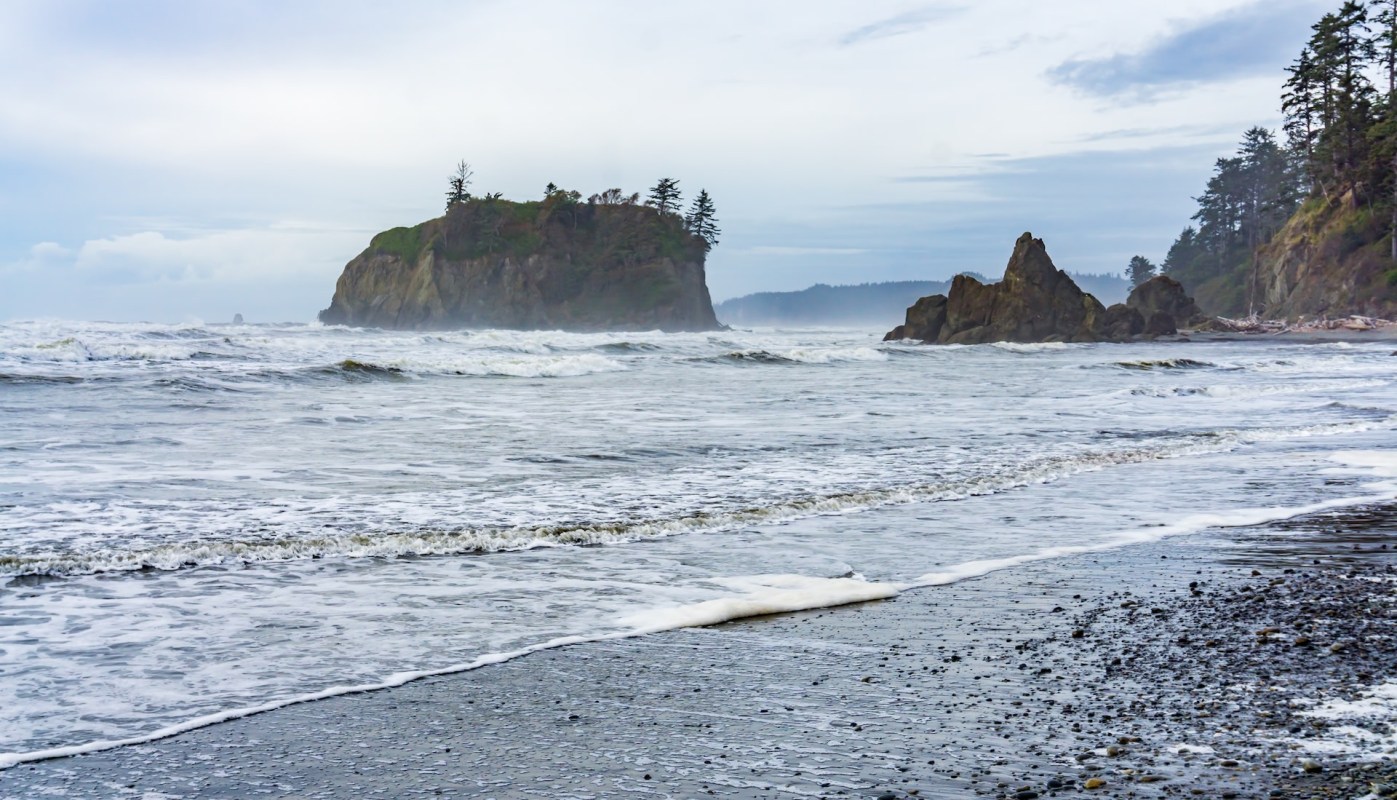
Washington State officials have warned of potential delays for community projects aimed at addressing "environmental and health disparities" related to coastal threats following the federal government's withholding of certain grant funds, The Center Square reported.
What's happening?
As of mid-August, the National Oceanic and Atmospheric Administration had withheld roughly $114,000 of a $250,000 grant intended to fund Washington State's "Advancing an Equitable Framework for Coastal Resilience" project. Officials say the move is hindering work aimed at mitigating not only coastal hazards — such as rising sea levels, flooding, erosion, and saltwater intrusion — but their disproportionate impacts on communities facing the highest risks.
The Department of Ecology's Andrew Wineke told The Center Square that the state still needs a clearer picture of these risks along more than 3,300 miles of Western Washington coastline.
"Impacts like sea level rise and ocean acidification affect coastal communities and Tribes differently, and we need to understand those differences in order to invest public funds and state resources where they will do the most good," Wineke said.
Why is this important?
When disaster hits, when upgrades slip, when emergency services go down, marginalized communities tend to feel the most serious impacts first and disproportionately.
Deferred drainage fixes can mean more street flooding during heavy rains. Postponed systems strengthening can leave water supplies exposed to contamination. Rising seas and stronger storms have already put added pressure on coastal and river communities, as higher water levels intensify risks throughout the United States, increasing costs for families and economies.
TCD Picks » Quince Spotlight
💡These best-sellers from Quince deliver affordable, sustainable luxury for all




Low-income families and Tribal communities in the state experiencing inequitable access to key resources may face additional burdens. Experts who say safe drinking water, reliable power, and dry homes depend on steady focus and investments worry that stop-and-go financing will jeopardize resilience in the long term.
What's being done about it?
Washington Attorney General Nick Brown has sued the Trump administration over a larger pool of withheld funds marked for climate resilience.
Meanwhile, The Center Square reported that the Department of Ecology put some state monies toward a portion of the planned coastal work. But Wineke told the outlet that efforts were reduced due to spending cuts.
"Specifically, the technical and engineering recommendations were not able to be completed," he said, "so there are still gaps in our coastal response strategy."
|
Should the government continue to give tax incentives for energy-efficient home upgrades? Click your choice to see results and speak your mind. |
 Absolutely 💯
 To address the funding gap, residents might call on decision-makers to prioritize research into resilience needs and implementation of essential upgrades, with a focus on the communities most at risk. But, in the meantime, some planning can still happen at the neighborhood level.
Stormproofing homes and businesses and advocating for municipal systems to shift to cleaner energy sources can strengthen local resilience. Collaborating with neighbors to learn about safe evacuation routes, share supplies, and check in on the most vulnerable can help keep everyone safe during extreme weather events.

Join our free newsletter for good news and useful tips, and don't miss this cool list of easy ways to help yourself while helping the planet.







