


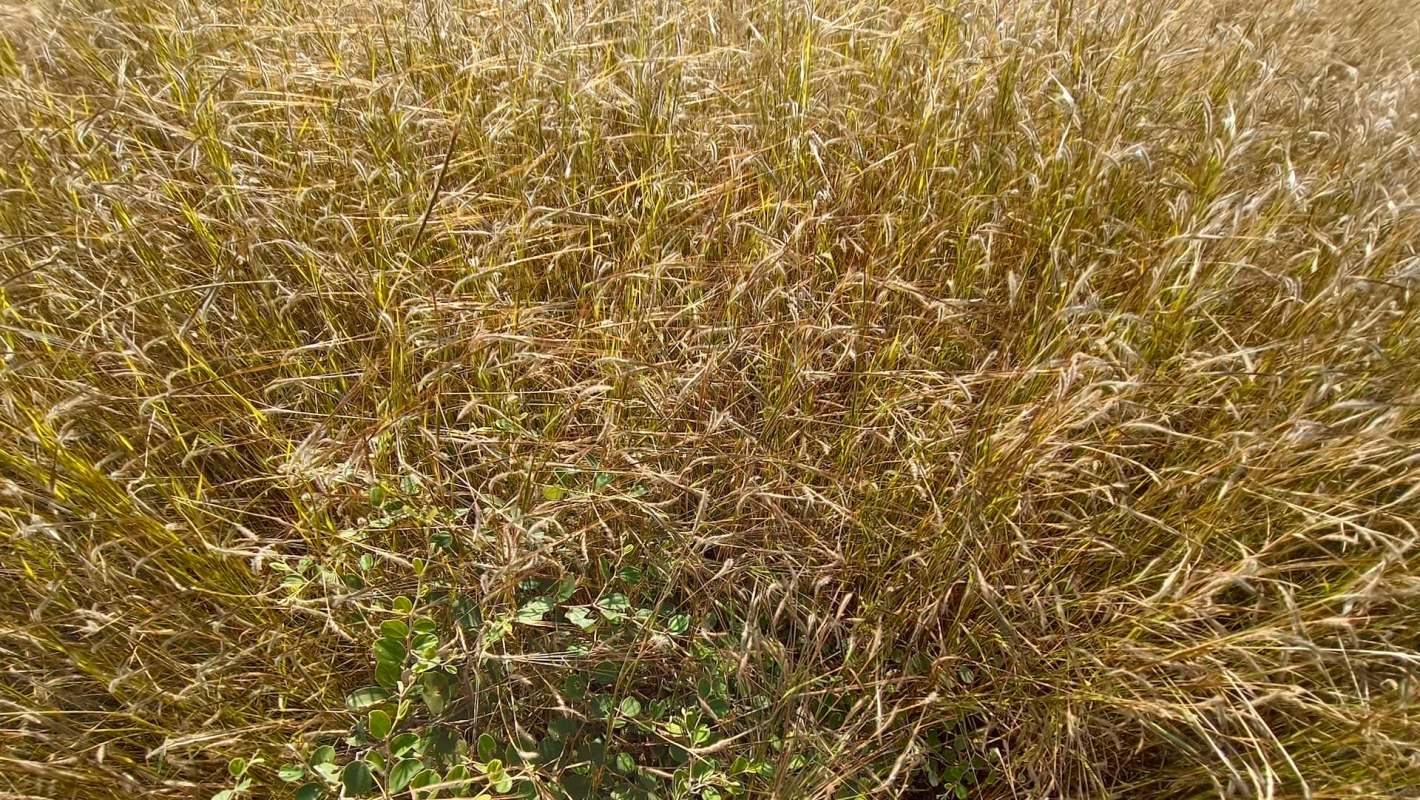
Volunteer crews have joined forces to remove invasive grasses before they crowd out native plants and add dangerous wildfire fuel to the Sonoran Desert.
As Tucson Weekly reported, members of the Sonoran Desert Weedwackers were in the field by 7 a.m. in late April, hiking about a half-mile to a rocky slope in the park to learn how to identify and remove buffelgrass.
It might seem like a modest act, but it is part of a growing effort to protect one of the nation's most distinctive desert landscapes.
As wildfire conditions continue to thrive, the stakes only get higher.
Invasive plants in the area, such as buffelgrass, stinknet, and fountain grass, are more fire-prone than many native desert plants, can overtake local species, reduce biodiversity, and provide little food value for wildlife.
As they spread, they weaken the ecosystem and raise risks for nearby communities. That is why volunteer-led removal efforts matter.
TCD Picks » Quince Spotlight
💡These best-sellers from Quince deliver affordable, sustainable luxury for all




Across Pima County and beyond, community groups including the Sonoran Desert Weedwackers, the Catalina State Park Buffel Slayers, Friends of Ironwood Forest, and the Tucson Bird Alliance are digging, pulling, and cutting invasive plants from parks, trails, hillsides, and washes.
Their work helps protect habitat for birds, insects, reptiles, and mammals, while also lowering fire danger in places where people live, hike, and gather.
For residents, these removal projects offer a direct way to care for beloved public lands. For the desert, they create more room for native plants and help preserve the complex food web local wildlife depends on.
The Sonoran Desert Weedwackers have been at it since 2000, making them a rare long-running volunteer force in the region. The group hosts events year-round, even during Arizona's intense summer months, when crews head out at sunrise for shorter sessions. Volunteers range from schoolchildren to people in their 70s and 80s.
"I feel like (volunteering is) a really effective way … because people are up close and personal with the plants," Ben Tully, invasive species coordinator for the University of Arizona Cooperative Extension, told Tucson Weekly.
At Catalina State Park, the Buffel Slayers have spent more than a decade battling buffelgrass after founder Patty Estes first spotted it there in 2014 and asked whether she could start digging it up. Since then, the group has regularly targeted priority areas near trails using gloves, pickaxes, and steel weeders.
Friends of Ironwood Forest faces an especially difficult challenge in Ironwood Forest National Monument, where buffelgrass often appears high on rocky slopes. There, volunteers hike into tough terrain to stop the plant before its seeds spread further through washes and drainage paths.
Tucson Bird Alliance, meanwhile, has paired strike-team efforts with work in high-risk areas, including the Santa Cruz River corridor, Saguaro National Park, and the Santa Catalina Mountains.
Invasive plant removal may not be flashy, but in fire-prone regions, it can be one of the most practical ways to safeguard wildlife habitat, preserve recreational spaces, and reduce threats to homes and infrastructure.

Get TCD's free newsletters for easy tips, smart advice, and a chance to earn $5,000 toward home upgrades. To see more stories like this one, change your Google preferences here.







