


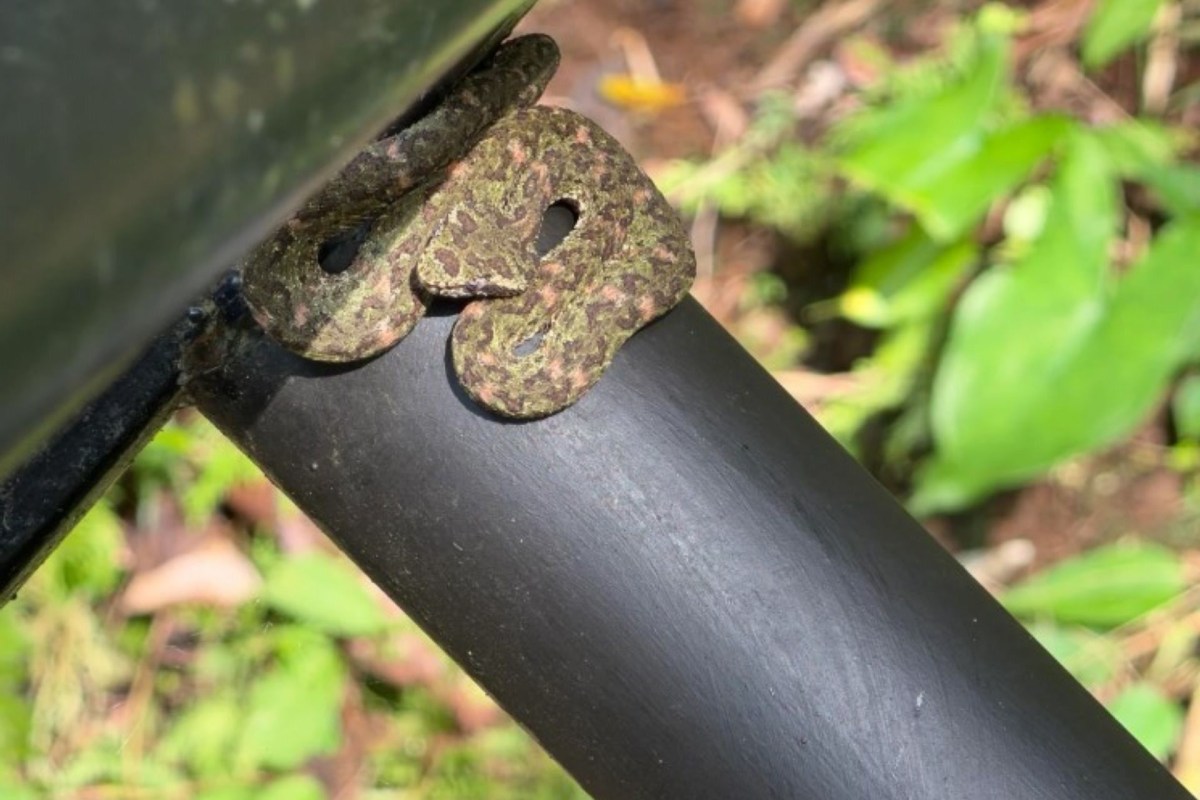
A vacation photo stop in Costa Rica nearly turned tragic when hikers at a scenic lookout heard what they described as "a very silent hiss" — and then watched a snake strike at them.
The bite missed, but commenters said the pair may have come dangerously close to a fer-de-lance or a similar pit viper, one of Central America's most dangerous snakes.
In a popular post shared to r/snakes, a traveler said they had reached a Costa Rica lookout and stopped to take a photo of the scenery. That's when they heard the faint warning sound. By the time the hikers realized what was nearby and stepped back, the snake had already lashed out but failed to connect.
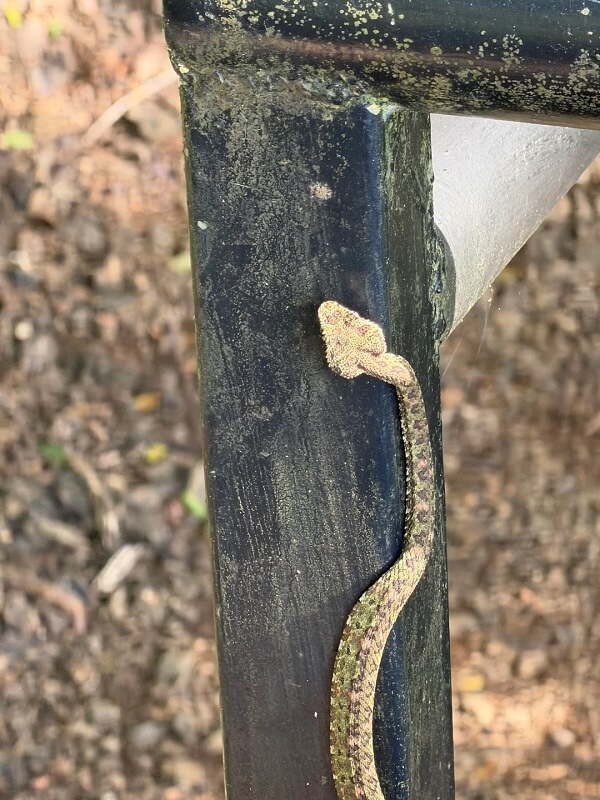
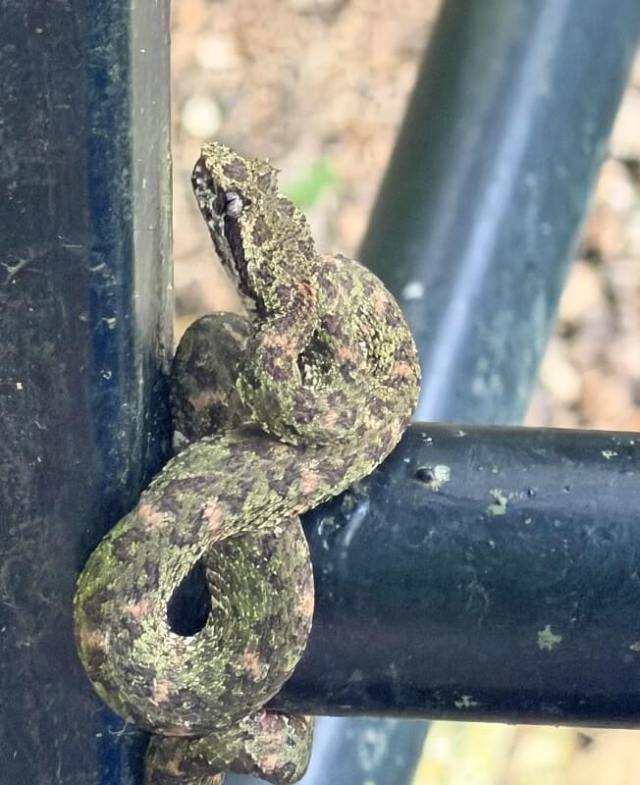
Commenters identified the snake as an eyelash viper or a closely related pit viper. Eyelash viper snakes are venomous, and their bites can cause extreme pain, swelling, and tissue death. However, it's incredibly rare for a human to die from a bite.
Scenic overlooks, hiking trails, and tourist infrastructure can bring humans deeper into habitats where animals such as pit vipers already live and hunt.
That doesn't necessarily mean the snake was "attacking" in the way many people imagine. Venomous snakes often rely on camouflage and remain still until they feel threatened or cornered. Someone stepping too close — even without realizing it — can trigger a defensive strike.
TCD Picks » Quince Spotlight
💡These best-sellers from Quince deliver affordable, sustainable luxury for all




A venomous bite can become a medical emergency within minutes, especially in a remote area. As outdoor recreation expands and more wild spaces are developed for tourism, surprise encounters may become more common for both people and animals. Human activity can raise the chances of dangerous contact.
The most important step is awareness. Watch where you place your hands and feet, avoid stepping off marked trails, and be especially careful around rocks, roots, brush, and scenic pull-offs where visibility may be limited.
If you hear a hiss or notice a snake nearby, back away slowly and give it plenty of space. Don't try to move it, photograph it up close, or identify it from a dangerous distance. Wearing sturdy boots and long pants can also help reduce risk on trails in snake habitat.
When traveling in tropical regions, it helps to ask guides or park staff about local wildlife before heading out. Knowing which species are common and where they tend to hide can make a big difference.
And if a bite does happen, seek emergency medical care immediately. Quick treatment matters far more than trying to capture the snake or confirm its exact species.
The Redditor was lucky to avoid getting bitten. As one commenter put it, "Dodged a bullet. That would have been a rough end to vacation."

Get TCD's free newsletters for easy tips, smart advice, and a chance to earn $5,000 toward home upgrades. To see more stories like this one, change your Google preferences here.







