


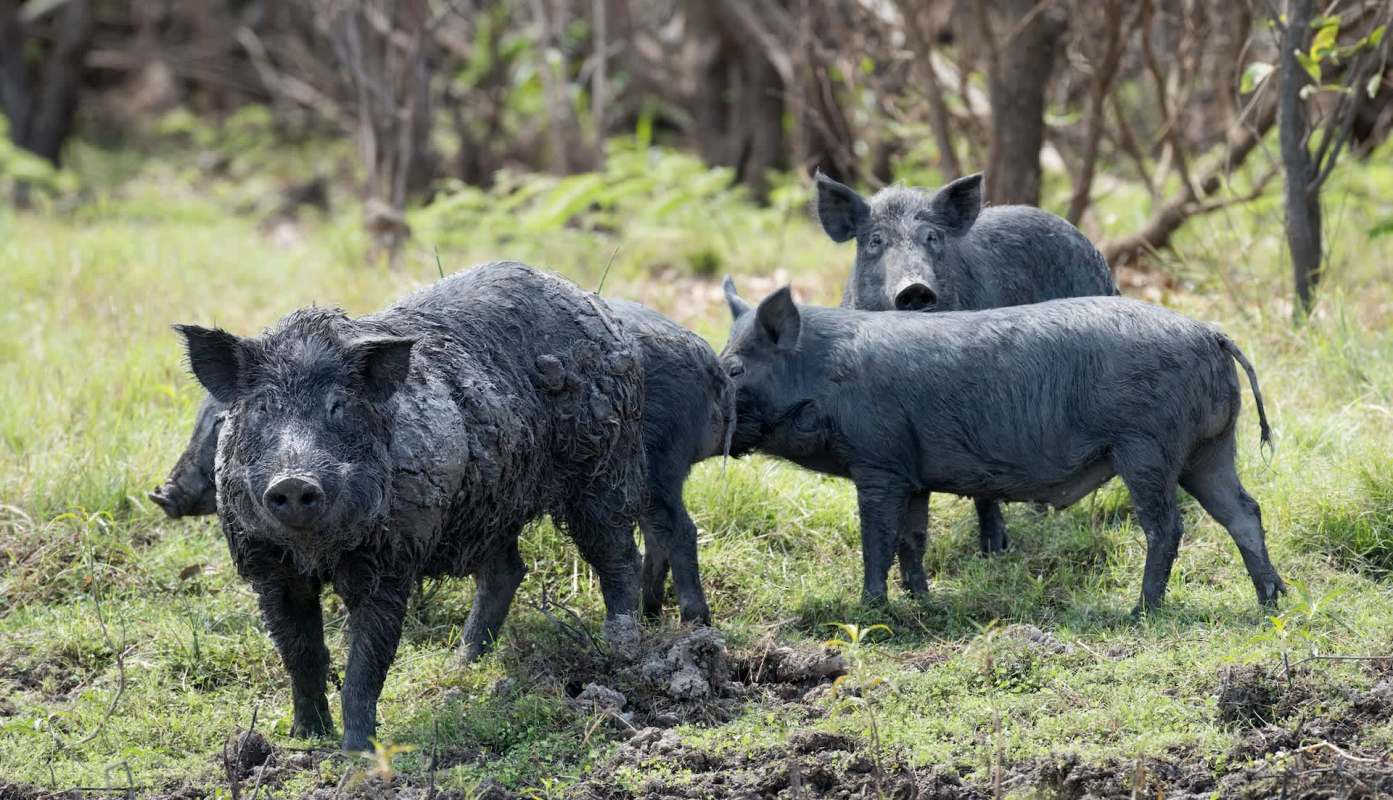
The U.S. Department of Agriculture is putting $35 million toward fighting feral swine, according to AgNet News Hour, to support farmers and other landowners.
What's happening?
During an episode of AgNet News Hour, USDA Under Secretary for Farm Production and Conservation Richard Fordyce discussed the new pilot effort known as the Feral Swine Eradication Program.
It will offer $35 million in grants through approved partner organizations that can help landowners reduce wild hog numbers.
USDA's Natural Resources Conservation Service and Animal and Plant Health Inspection Service will oversee the effort together.
Instead of paying producers directly, the department intends to support organizations that can provide education, trapping, and other methods for controlling feral swine.
Fordyce described wild hogs as one of the most destructive invasive threats facing agriculture.
TCD Picks » Quince Spotlight
💡These best-sellers from Quince deliver affordable, sustainable luxury for all




"When we think about invasive species, they come in all different shapes and sizes," he said. "Honestly, the feral swine probably could be the most invasive and probably cause the most damage."
Eligible partner organizations have until September 21 to apply.
Why is this concerning?
Feral swine can root up pasture and damage forests and wildlife habitat. The effects can spread through farm operations and food production.
USDA officials also said wild hogs can carry illnesses that may spread to domestic swine and other livestock, increasing the pressure on producers to protect their herds.
As Fordyce said, "They really don't care what landscape they're destroying."
Texas, Arkansas, and Missouri are known for large feral swine populations as well, but California is drawing more concern as wild hogs have been reported across much of the state.
What's being done?
USDA is taking a ground-level approach through partner groups already working in this area. By channeling funding through established organizations, the department hopes to connect landowners with people experienced in outreach, trapping, and coordinated removal efforts.
Wild hogs move across boundaries, and control efforts tend to work better when people and agencies work together rather than leaving landowners to handle the problem alone.
For producers already dealing with feral swine damage, Fordyce said the immediate step is to contact a local NRCS office. That can help landowners find out whether assistance may become available in their area and what management options exist.
For now, the program is still in its early phase, but USDA said the goal is to protect agricultural production while limiting environmental and economic harm.

Get TCD's free newsletters for easy tips, smart advice, and a chance to earn $5,000 toward home upgrades. To see more stories like this one, change your Google preferences here.







