


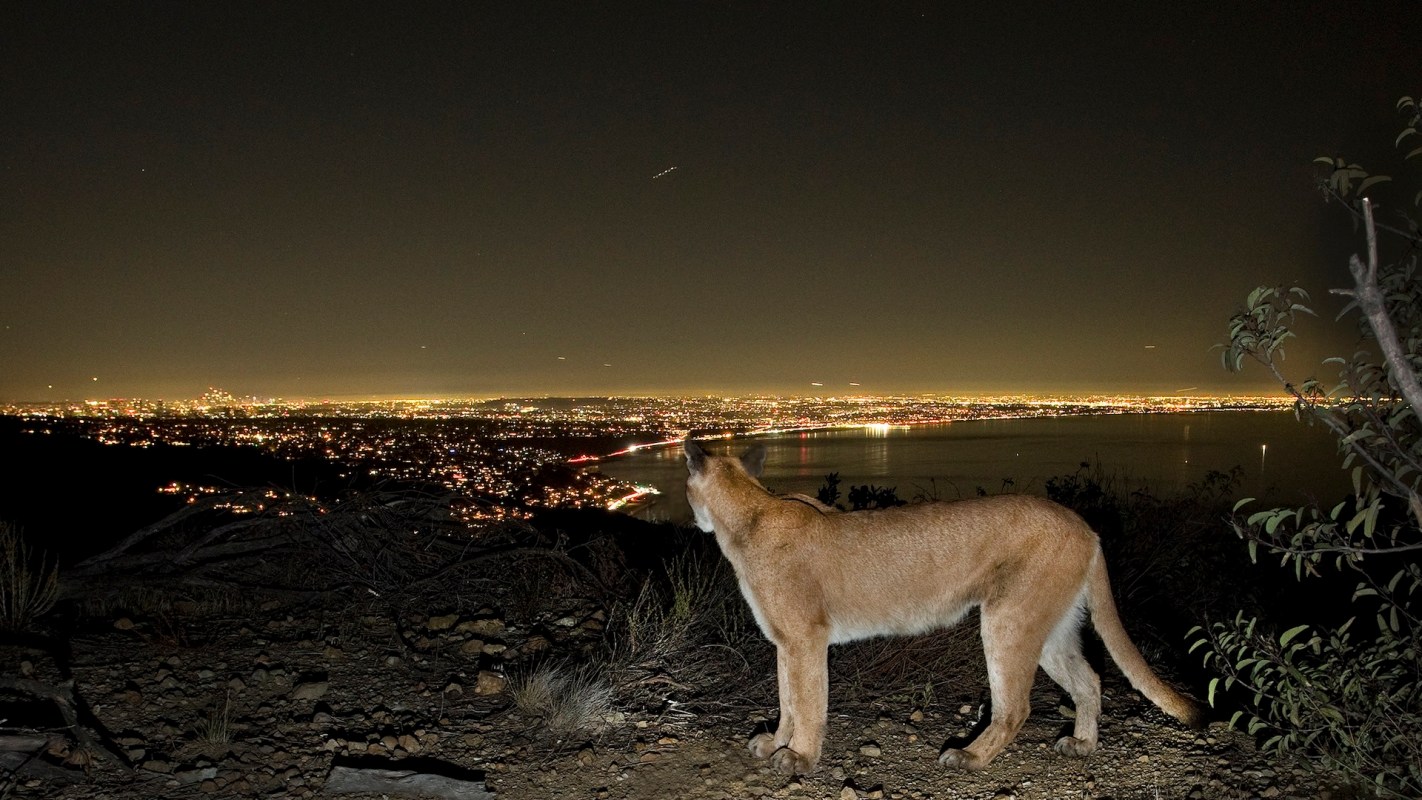
Cultural values and city decisions are shaping how wild animals in Los Angeles adapt to city life — sometimes with dangerous results for people and wildlife.
The Los Angeles Times reported that these human factors may influence animal behavior habits even more than pollution or food sources.
What's happening?
Researchers at St. Louis' Washington University found that factors like religion, politics, and even war can change the way animals survive in cities.
Their review in Nature Cities cited global examples, such as Ukraine, where war drove away sparrows and other birds from their nesting grounds. Meanwhile, deer and boar numbers increased as the government restricted hunting activity.
While conflicts shape animal survival abroad, politics and safety concerns show up in policing and park design in Los Angeles.
Study co-lead author Elizabeth Carlen told the Times that tall trees are usually cleared to give police a better view of potential suspects, but removing shrubs also eliminates shelter and grazing space for small animals, making parks less hospitable.
Why is this concerning?
Without science-based policies, human-wildlife conflicts can become more dangerous.
For example, calling law enforcement instead of wildlife services when bears or cougars appear in yards can prompt lethal action if officers see an immediate threat. On the other hand, California's Department of Fish and Wildlife typically uses nonlethal measures and may relocate animals.
Coyotes face similar issues. A Berkeley study found that the wild canines roamed more in lower-income communities, where they are less likely to be trapped or relocated. That leaves residents more vulnerable to risky encounters.
Carlen hopes the study will push cities to adopt new coexistence strategies.
TCD Picks » Quince Spotlight
💡These best-sellers from Quince deliver affordable, sustainable luxury for all




|
Should the government ban gas-powered lawn equipment? Click your choice to see results and speak your mind. |
 Absolutely 💯
 "I think there's a lot of injustice in cities that are happening to both humans and wildlife. I think the potential is out there for justice to be brought to both of those things," she said.
What's being done about it?
Native American tribal elder Alan Salazar told the Times that the Wallis Annenberg Wildlife Crossing, where he is a consultant, can help meet that goal.
He said that more than providing a safe passage for animals over Highway 101, the bridge will "shift perceptions about co-existence planning."
L.A.'s Urban Wildlife Program and groups like Project Coyote and the Mountain Lion Foundation promote non-lethal ways to manage wildlife. They also hold events and share resources to educate residents.
Joining these community initiatives is just one way you can make a difference to this issue.

Join our free newsletter for good news and useful tips, and don't miss this cool list of easy ways to help yourself while helping the planet.
Cool Picks






