


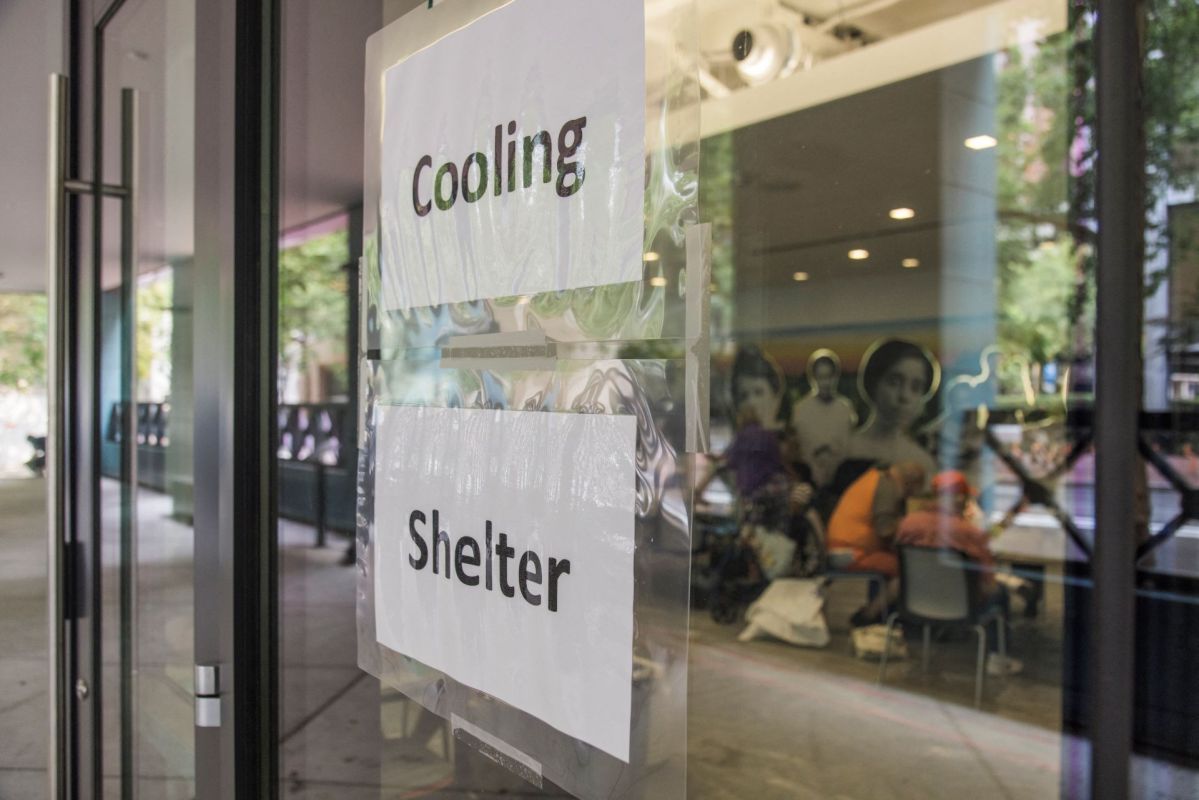
With Kern County, California, moving into one of the year's hottest stretches, cooling centers are serving as a critical refuge for residents who have few ways to avoid dangerous temperatures.
For unhoused people in Bakersfield, even a few hours indoors can mean the difference between getting through the day safely and facing serious heat-related health risks.
What's happening?
As temperatures continue to rise, KERO reported that unhoused Kern County resident Consuelo Rios went to a cooling center with her husband for the first time.
"Here is not really cold, but I come back tomorrow," Rios said.
Kern County's network of cooling spaces is widely available. Colleen Philly, director of Kern County's Aging and Adult Services, said, "This is the first round where the majority of the cooling centers are open."
Rios told KERO that she and her husband have been unhoused for more than two years since losing the home they rented.
TCD Picks » Quince Spotlight
💡These best-sellers from Quince deliver affordable, sustainable luxury for all




"I've rented my house for 15 years and the owner - they tell me - 'I need the house in two weeks'," she said.
Among the locations providing relief is the East Bakersfield Veteran Center. Centers operate from 1 to 8 p.m., covering the hours when the heat is most dangerous.
Why does it matter?
Extreme heat can quickly become life-threatening, especially for unhoused residents, older adults, and anyone without reliable access to air conditioning, shade, or water.
Heat exhaustion and heat stroke can escalate fast, turning an already difficult day into a medical emergency.
Worsening extreme weather disasters also put additional strain on public health systems, community safety networks, and household finances. Dangerous heat can drive up emergency room visits, increase energy costs, disrupt work, and make existing housing instability even harder to survive.
When safe indoor spaces are limited, even routine tasks can become risky.
Philly also warned that some of the people most at risk may not recognize when they are in danger.
What's being done?
Kern County has opened multiple cooling centers to give residents a safer option during peak heat hours.
For people spending long stretches outdoors or living in homes that do not stay cool enough, those centers can provide an immediate layer of protection.
Philly said residents should check in on people around them, particularly older neighbors.
"If a neighbor can go and knock on their elderly neighbor's door - just check on them - it's good ... if they're presenting confused or just off, that might be life-saving if you recognize that," she said, according to KERO.
Beyond visiting a center, the National Institute of Illnesses has ways to lower the risk of heat-related illness, including drinking plenty of water, wearing lightweight clothing, and asking to stay with a friend or relative.

Get TCD's free newsletters for easy tips, smart advice, and a chance to earn $5,000 toward home upgrades. To see more stories like this one, change your Google preferences here.







