


When it comes to the weather, change is usually gradual. Even a sudden storm or a cold front only causes so much change at once, and it usually comes at a time of year when similar events are expected.
However, as the world gets hotter, the climate gets less stable, and we are seeing more extreme weather events like the sudden temperature drop that hit the Mid-Atlantic last week, as reported by The New York Times.
What's happening?
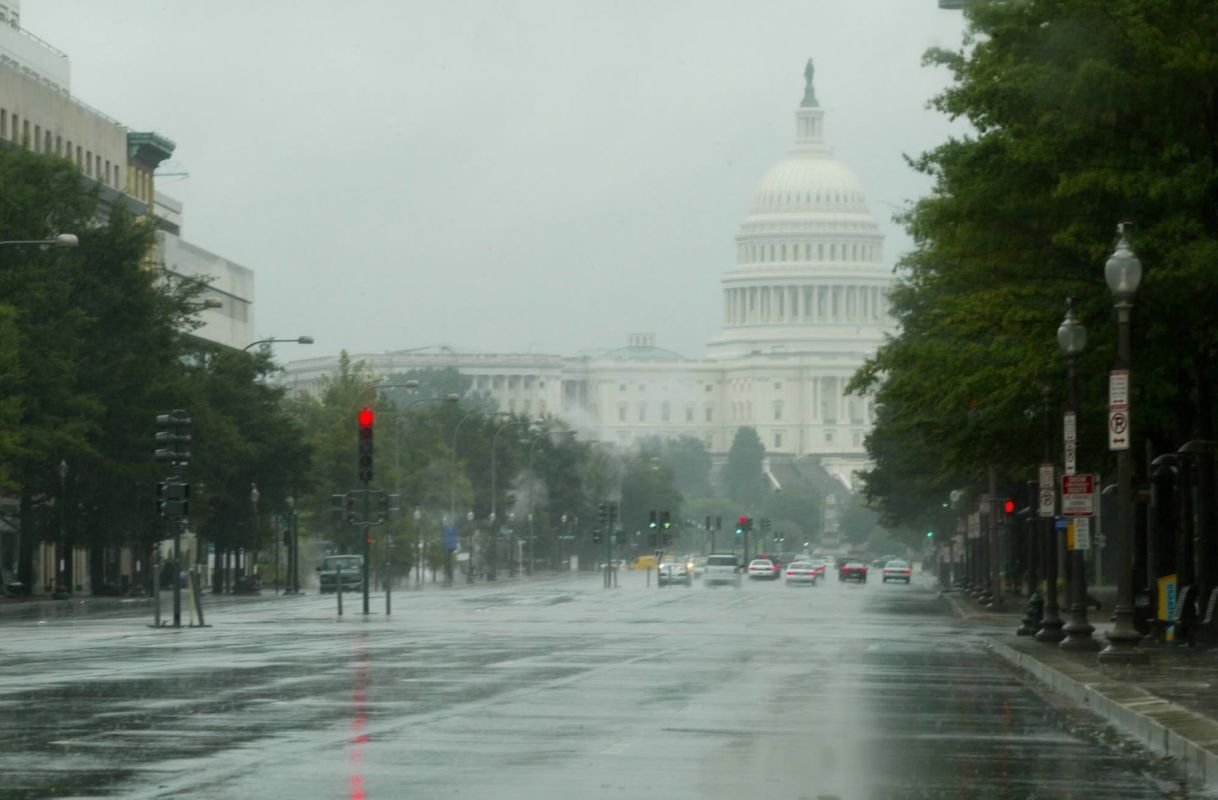
On March 12, a cold front hit the region, causing temperatures to plummet as much as 50 degrees in some places.
Prior to last Thursday, the Mid-Atlantic was experiencing balmy, spring-like weather: 86 degrees in Washington, D.C., on Wednesday, a same-day record; 80 degrees in New York City on Tuesday, the area's earliest 80-degree day; and 87 degrees on Wednesday in Richmond, Virginia.
But on March 12, D.C. hit 32 degrees and was receiving snow; New York had similar weather; and Richmond had also hit 32 degrees, a 55-degree drop in 24 hours. According to the region's National Weather Service office, it was the sharpest decline forecasters had recorded in their almost 80 years of records.
"It's pretty wild," said Dominic Ramunni, an NWS meteorologist, per the Times.
"The fact that we had accumulating snow less than a day after we had temperatures in the mid-80s is almost unheard-of," added Frank Pereira, a meteorologist from the Weather Prediction Center.
Sadly, volatile weather is also at play elsewhere in the U.S. Tornadoes and severe storms have surfaced in the Midwest, the Plains, and the Hawaiian Islands, while the West Coast is seeing a building heat wave.
Why are these weather events important?
Unfortunately, the less stable the weather becomes, the more dangerous it is for humanity. Extreme weather events cause property damage, injuries, and, in an unfortunate number of cases, death.
Meanwhile, rising costs due to difficulties in food production, the need for more repairs, and more costly insurance are causing problems for everyday people.
TCD Picks » Quince Spotlight
💡These best-sellers from Quince deliver affordable, sustainable luxury for all




|
Which of these savings plans for rooftop solar panels would be most appealing for you?
Click your choice to see results and earn rewards to spend on home upgrades. |
 Save $1,000 this year 💸
 What's being done about extreme weather?
In the long run, the best thing you can do about extreme weather is learn about climate issues so you can advocate for change. Reducing your pollution and encouraging others to do the same will help lower the amount of heat-trapping gas in the atmosphere, which will help lower the Earth's temperature and stabilize the climate.

Get TCD's free newsletters for easy tips to save more, waste less, and make smarter choices — and earn up to $5,000 toward clean upgrades in TCD's exclusive Rewards Club.
Cool Picks






