


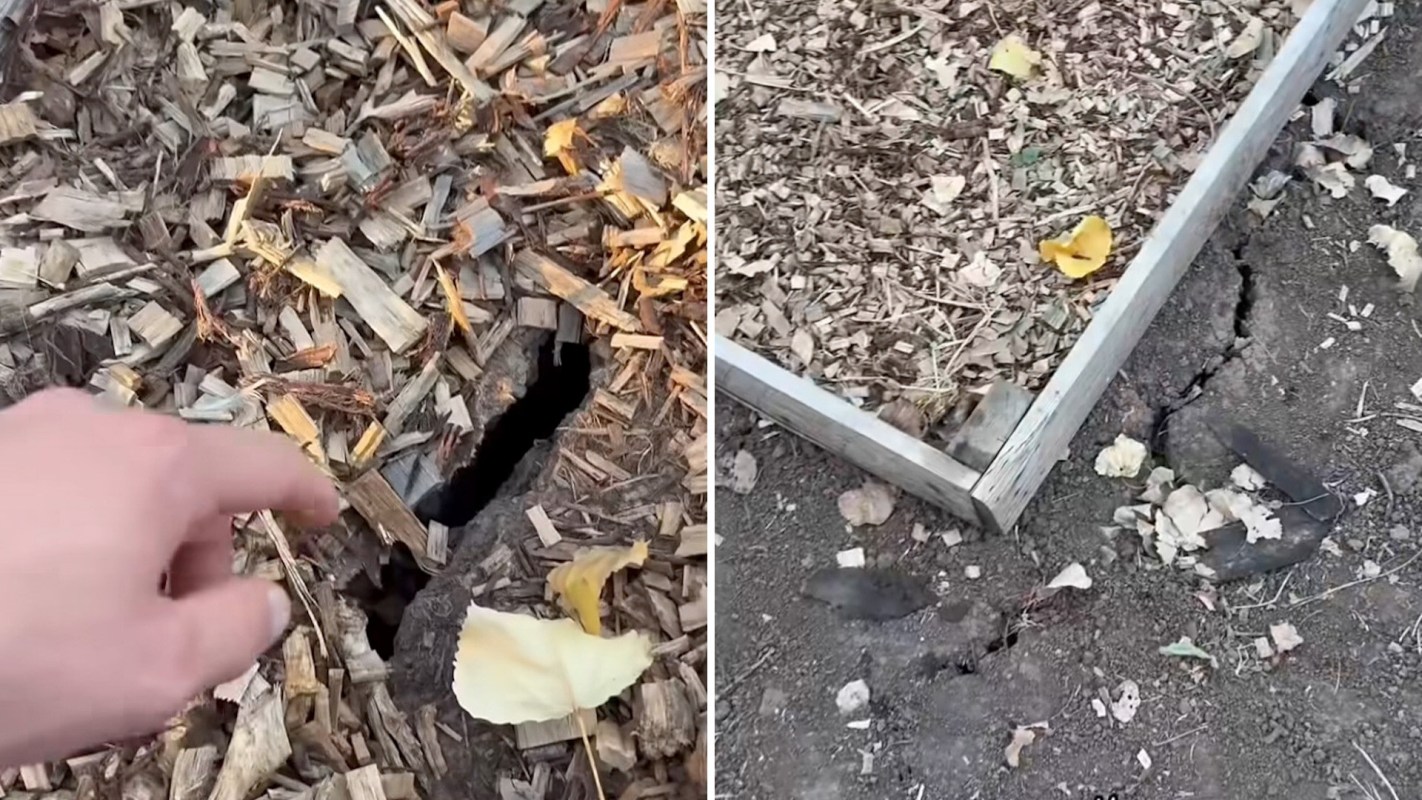
A lack of rain in the U.K. is showing up in an unusually visible way at one allotment. The soil has cracked so wide that wood-chip mulch is dropping into it.
The video underscores that dry weather can affect more than leaves and stems. When conditions stay parched long enough, the ground itself can start to change.
What happened?
In an Aug. 11 YouTube video, creator Gardening with Josh (@gardeningwithjosh) showed wide fissures running across an allotment plot.
In the description, he wrote, "In the U.K. we are experiencing a massive lack of rain, and this is affecting the ground in a massive way."
The gardener also said the allotment has "a high density of clay," a soil type that can shrink as it dries.
After an extended period without meaningful rainfall, clay-rich ground can separate into large gaps like the ones seen in the clip.
TCD Picks » Quince Spotlight
💡These best-sellers from Quince deliver affordable, sustainable luxury for all




For the person working the plot, the issue is not just how it looks.
The creator wrote that the dry weather "has now caused massive cracks to appear at the allotment," making the soil itself another challenge to deal with.
Allotments are small garden plots, common in the U.K., that people use to grow food and flowers.
Why does it matter?
Many people think first of browned lawns or drooping vegetables, but cracked ground shows that the problem has reached deeper into the soil.
That can make gardening harder in several ways. Dry, compacted ground can be tougher to work, harder for roots to penetrate, and slower to absorb water evenly once rain returns. In plots used to grow food, that can add stress on crops during the hottest, driest stretches.
It also shows why soil type matters so much. A clay-heavy plot may hold moisture well in some conditions, but during prolonged dry weather it can behave very differently, shrinking and splitting instead of remaining stable.
What can I do?
Gardeners dealing with similar conditions can focus on protecting whatever moisture is still in the soil. Mulch can help reduce evaporation, even though this video shows that severe cracking can also create new challenges for keeping mulch in place.
Slow, deep watering is often more useful than quick surface watering, especially when the ground is hard and dry. Watering during cooler parts of the day can also help reduce losses from evaporation.
Over time, adding organic matter such as compost can improve soil structure and help some clay-heavy beds handle weather swings better.
For people gardening during a dry stretch, it may also make sense to prioritize the most vulnerable plants and keep an eye on any local water-use guidance.

Get TCD's free newsletters for easy tips, smart advice, and a chance to earn $5,000 toward home upgrades. To see more stories like this one, change your Google preferences here.







