


The cooing birds that many have sung about at Christmas are once again a hot topic. The Guardian reports that U.K. conservationists and locals are breeding and releasing hundreds of turtle doves to prevent their extinction.
Sadly, a 98% population decline since the 1970s means there are now only 2,000 pairs of these birds left. The lifelong flying mates face extinction from habitat destruction and hunters on their European migration routes.
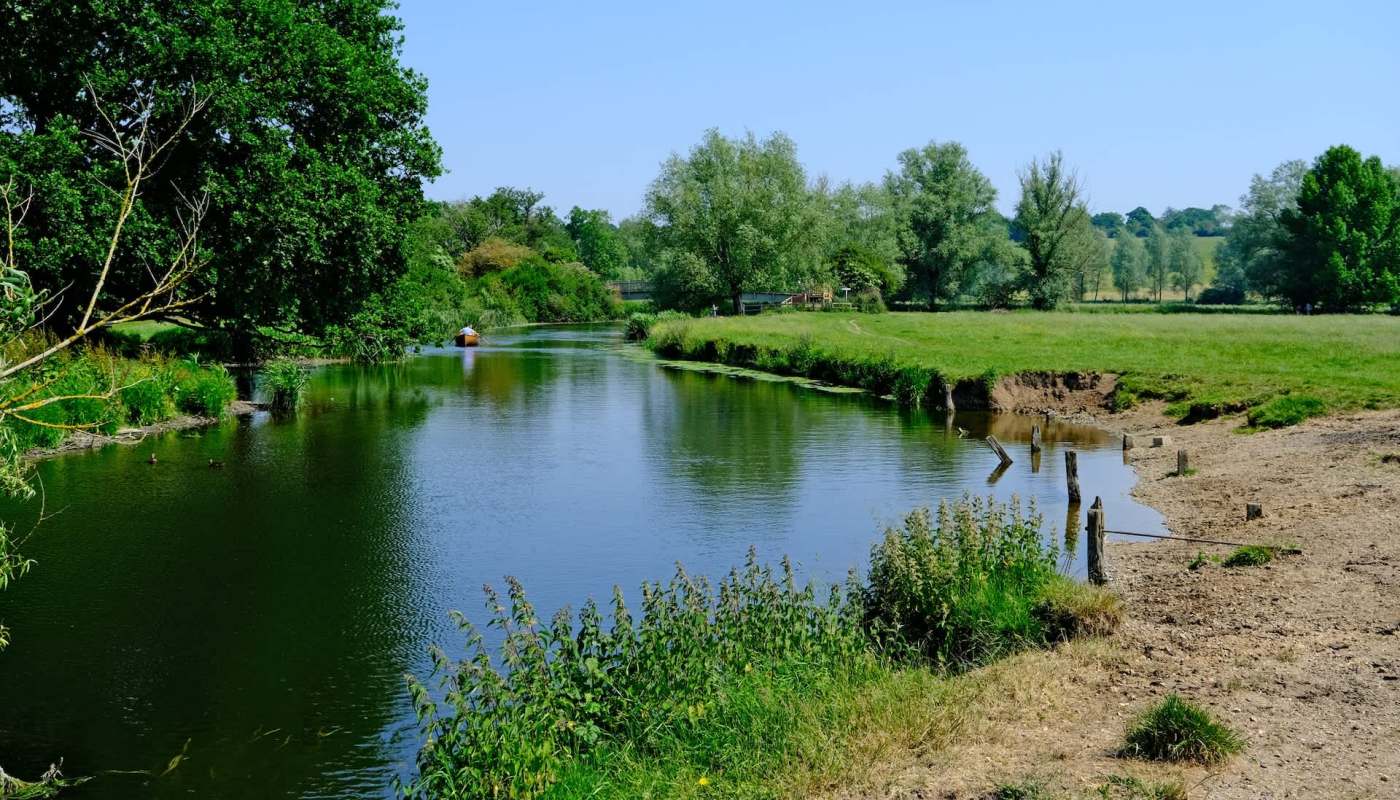
King Charles has even gotten involved — his Sandringham estate is the site of a breeding ground with 200 birds run by the Turtle Dove Trust. The waterways and meadows on the King's land are the perfect habitat to breed new life into this species.
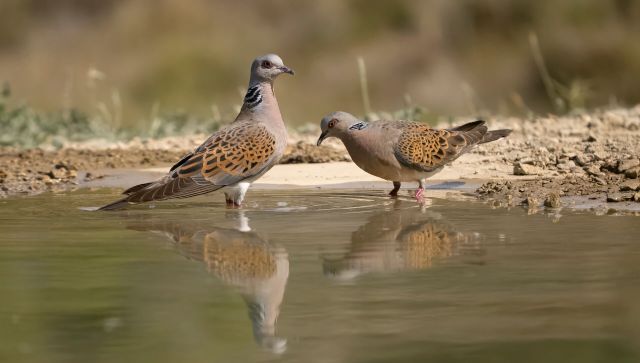
The birds have gone from not being "seen in living memory" to "purring away" in oak trees in Somerset, conservationist and financier Ben Goldsmith told The Guardian.
"It makes me supremely happy," said Goldsmith, who's also working with the Trust to release 200 doves on his farmland.
Based on tracking, dove breeder Trevor Lay thinks the birds are likely migrating to Africa and back to the U.K. "We have had a lot of sightings reported of our birds on our website," he told The Guardian.
TCD Picks » Quince Spotlight
💡These best-sellers from Quince deliver affordable, sustainable luxury for all




Other farmers are taking local action to help conservation efforts. Lay states they have been making their lands more attractive to the birds by "planting wildflowers and hedges."
The turtle dove revival isn't the only example of rare birds returning to life through structured conservation.
"Britain's loudest birds," bitterns, have successfully bred for five consecutive years in Newport Wetlands. After several decades, the "yunco" seabird of Peru has landed again on Pajaras Uno island near Chile. The return was possible after stakeholders controlled an invasive rodent population that killed "yunco" eggs and habitat.
The red-legged and red-billed chough now number in the hundreds after being absent for a couple of hundred years in Kent. Hand-rearing, foraging guidance walks, and the veterinarians are part of the birds' intense care that has so far allowed eight to be released.
Thriving turtle doves are part of a balanced ecosystem. The "cooing" birds aid plant biodiversity through seed dispersal. According to RSPB, farmer and community involvement should include seed plots for foraging, particularly from wildflowers. Landowners can maintain wide hedgerows measuring over 3m high and climbing plants. Those with ponds should create a shallow edge or gentle slope for easy bird access.
|
Do you think America does a good job of protecting its natural beauty? Click your choice to see results and speak your mind. |
 Definitely 👍
Join our free newsletter for good news and useful tips, and don't miss this cool list of easy ways to help yourself while helping the planet.







