


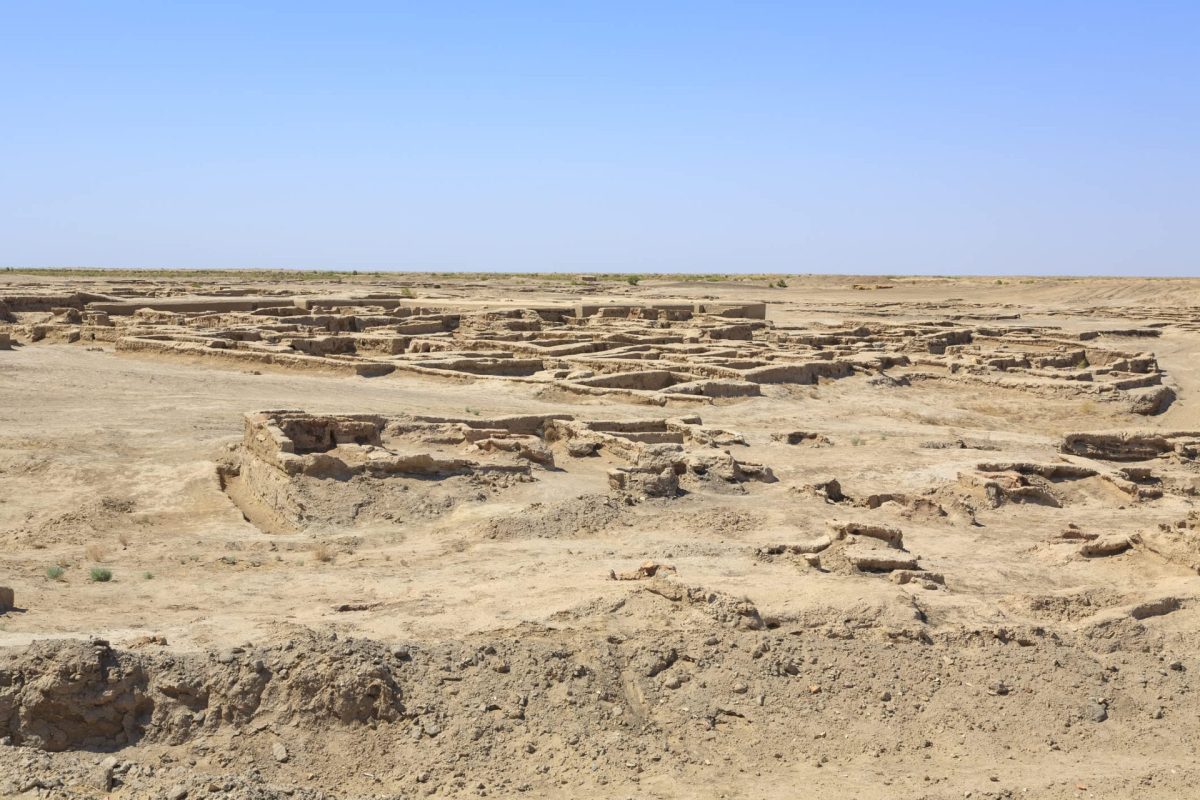
A multinational team of scientists is celebrating after a successful expedition to a remote Central Asian desert in search of a long-lost species.
The Miami Herald reported that scholars from Germany, Turkmenistan, and Uzbekistan traveled to the Karakum desert to survey the understudied bat population. Their top priority was to find the Turkestan long-eared bat, which hadn't been sighted since 1970. Their task was daunting, for the only evidence for its existence comes from a handful of museum specimens, and there were no photographs of the bat. All they had to go on were the last known locations of the bats recorded decades earlier.

Fears that the bats had vanished proved unfounded, for the team found a young female lurking in a crevice. From the first-ever pictures taken of the bat, it's clear that it certainly earns the "long-eared" part of its name. Another bat, a male, was found in a cave near the Uzbek border. The team collected audio, video, and genetic samples for further analysis, and the Turkmenistan government intends to establish a large 50,000-hectare protected area for the bats and other rare desert creatures.
Little is known about the Turkestan long-eared bat, but other desert-dwelling bats may provide some clues. For example, the similar-looking desert long-eared bat (Otonycteris hemprichii) is a nocturnal omnivore that benefits the desert ecosystem by controlling insect populations and pollinating plants.
Desert bats face some serious challenges due to the effects of a warming atmosphere caused by human activity. The Karakum desert is getting hotter and drier, and crucial vegetation is diminishing. Turkmenistan is over 80% desert, and the limited arable land is under severe strain, prompting calls for more sustainable agricultural practices.
Still, the rediscovery of the Turkestan long-eared bat after more than half a century is a hopeful sign for the future. Seemingly extinct species resurface all the time, showing that nature is both fragile and resilient. Stories like this are an ideal way to engage the public and help inform effective future local strategies to give nature a fighting chance.
TCD Picks » Quince Spotlight
💡These best-sellers from Quince deliver affordable, sustainable luxury for all




|
Do you think America does a good job of protecting its natural beauty? Click your choice to see results and speak your mind. |
 Definitely 👍
💰Get TCD's free newsletters for easy tips to save more, waste less, and make smarter choices — and earn up to $5,000 toward clean upgrades in TCD's exclusive Rewards Club.







