


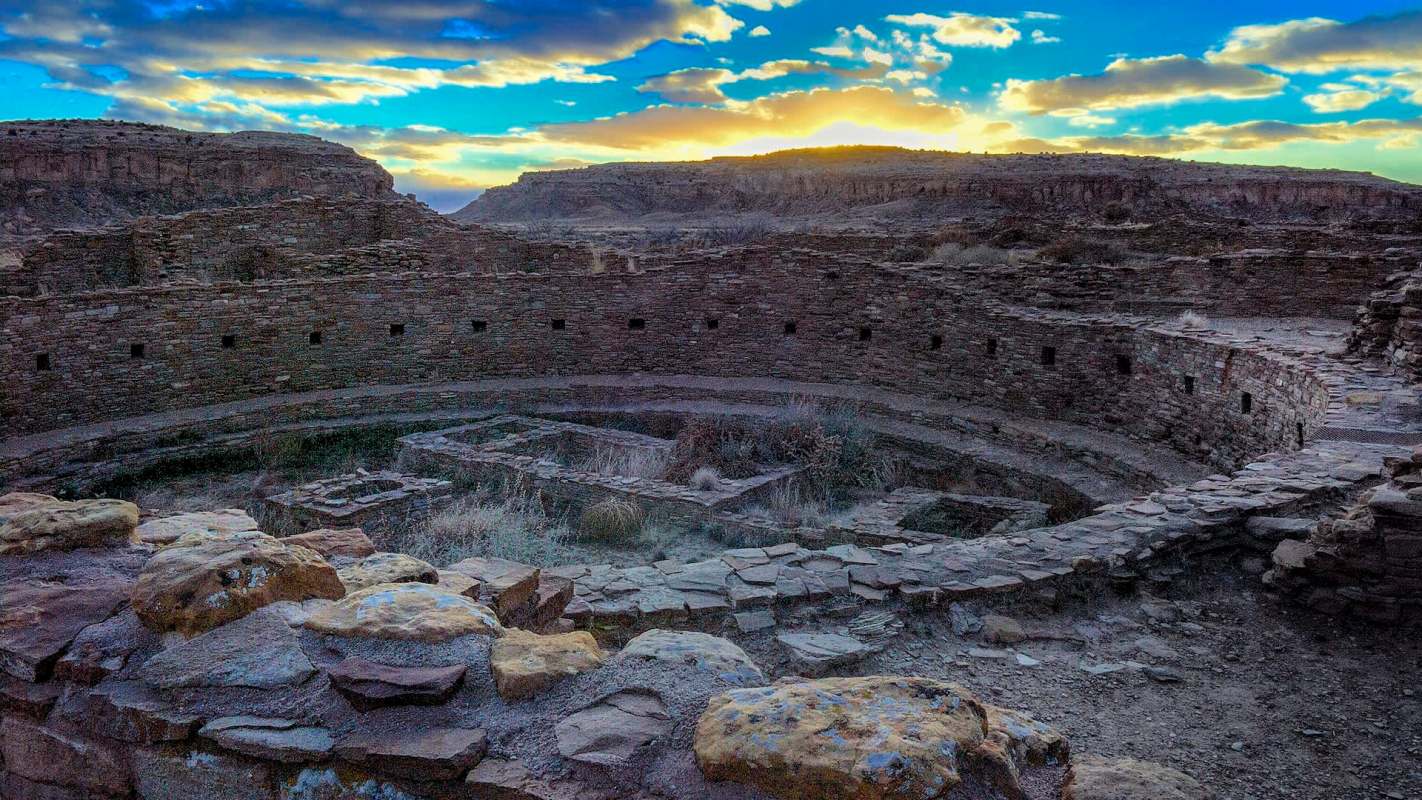
At the center of a widening dispute in New Mexico is a plan by President Donald Trump's administration to lift drilling protections around Chaco Culture National Historical Park, a move that has drawn attention beyond the U.S. and alarm from tribal leaders, conservationists, and cultural advocates who say a sacred landscape could be permanently harmed.
Here's what to know
According to The Guardian, the Bureau of Land Management proposal would remove the 10-mile buffer around Chaco and open nearby land to oil and gas development as well as uranium mining.
Chaco is both a UNESCO World Heritage site and one of the country's most important cultural landscapes.
A UNESCO spokesperson said the agency had been notified of the proposal and is awaiting the federal government's explanation of its possible effects.
The spokesperson added, "The world heritage committee has consistently considered extractive activities to be incompatible with world heritage status."
What happens around Chaco carries unusual weight because the park contains pueblo ruins built by Indigenous Pueblo peoples and is also prized for its dark night skies. The buffer, created in 2023, covers 336,400 acres surrounding the park.
TCD Picks » Quince Spotlight
💡These best-sellers from Quince deliver affordable, sustainable luxury for all




Public response has been intense: roughly 100,000 comments were submitted during the 14-day comment period, and most were opposed to the plan, according to The Guardian.
Critics argue it would prioritize short-term extraction over cultural preservation, public health, and a more sustainable future for nearby communities.
More background
The Chaco dispute reflects a larger effort to expand drilling and mining near protected places nationwide. The United States has 27 UNESCO World Heritage sites — among them Yellowstone, Yosemite, and the Statue of Liberty — and several already face pressure from nearby industrial activity.
Daniel Tso, a leader in the area's Navajo community and a former Navajo Nation council delegate, said drilling could endanger clean water, homes, and places with deep spiritual importance.
"I have allotments inside the buffer zone where the land is untouched, the aquifers are pristine," he said, per The Guardian. "If the oil and gas companies go in there, the sacredness of that land is gone."
Opponents also warn that drilling would bring more air pollution, flaring, and bright lighting, threatening the night skies that help define the area and support tourism. They say that would affect not just local economies, but also visitors who come to experience a landscape that still resembles what ancient Pueblo communities saw centuries ago.
What's being done?
The issue is being reviewed through UNESCO procedures for "potential threats" to world heritage properties. The organization has also said that development outside a heritage site's boundaries should not diminish its "outstanding universal value" and should be subject to proper impact assessments.
Opponents of the proposal include tribal leaders, archaeologists, environmental groups, and former Interior Secretary Deb Haaland, who led the creation of the buffer.
Haaland said removing it would cause "irreversible damage" and accused Trump and Steve Pearce, director of the BLM, of showing "a clear lack of consideration and disrespect for the lives that New Mexicans live."
For Maude Dinan, New Mexico program manager for the National Parks Conservation Association, the argument reaches beyond a single park.
"The buffer zone is incredibly important and removing it would completely change this experience," she said.

Get TCD's free newsletters for easy tips, smart advice, and a chance to earn $5,000 toward home upgrades. To see more stories like this one, change your Google preferences here.







