


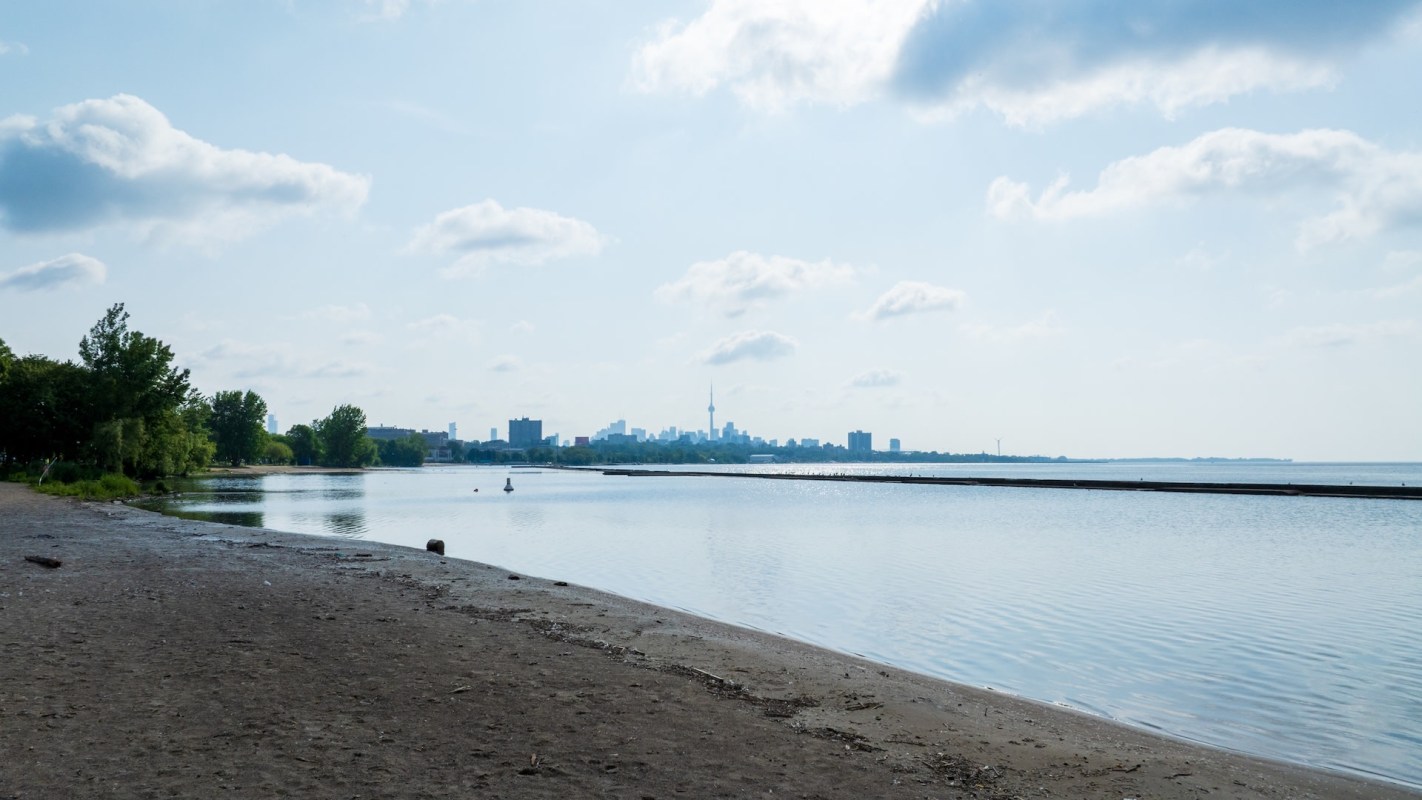
Toronto public beaches are experiencing a drastic decline in waterfowl — a deliberate act with unintended consequences.
What's happening?
According to CBC News Canada, a Toronto public count between 2008 and 2024 showed a 73% decrease in waterfowl. And while lifeguards rather than scientists conducted the counts, the results are no less startling. The dataset indicates that the waterfronts are now far less hospitable to animals.
The drop isn't accidental. To keep beaches cleaner for swimmers, the city cracked down on bird feeding, brought in dogs to scare flocks away, and relocated birds to other areas. The approach did reduce droppings, which can spread E coli. But it also stripped local beaches of the wildlife that once defined them.
University of Toronto biology professor Marc Cadotte put it bluntly: "There's no scenario in which this would be a good thing."
Why is this important?
When the birds disappear, people lose one of the simple ways they connect with nature. Toronto's beaches aren't just for swimming — they're spaces where families gather, joggers take in the view, and kids watch dogs and geese along the shoreline. Without that, the beaches feel emptier, and the city misses out on the health, recreation, and tourism benefits that come with lively, natural spaces.
Behind that human impact lies an ecological one. Birds aren't just part of the scenery — they help keep local ecosystems balanced. A sharp drop in waterfowl can ripple outward, disrupting food chains, stressing fish populations, and making nearby lakes and rivers less resilient over time.
What's being done about it?
Experts point out that there are ways to keep beaches clean without driving birds away. One idea is to set aside bird-friendly areas near the water, while still keeping popular swimming zones clear. Another idea is to plant tall grasses and native plants along the shoreline, which naturally filter the water and cut down on bacteria.
People can help too. Following no-feeding rules, keeping dogs on leashes near the beach, and supporting local conservation projects all make a difference. In other parts of North America, groups like Ducks Unlimited are restoring wetlands so birds have safe places to rest and nest. Even small actions — like cutting back on plastic or joining a local cleanup — give wildlife a better chance to thrive.
Protecting beaches means finding a balance: clean water for swimmers and safe habitats for birds. Without that balance, the health of both people and ecosystems is at risk.
|
Do you worry about the longevity of EV batteries? Click your choice to see results and speak your mind. |
 For sure 💯
Join our free newsletter for good news and useful tips, and don't miss this cool list of easy ways to help yourself while helping the planet.
TCD Picks » Upway Spotlight
💡Upway makes it easy to find discounts of up to 60% on premium e-bike brands





Cool Picks






