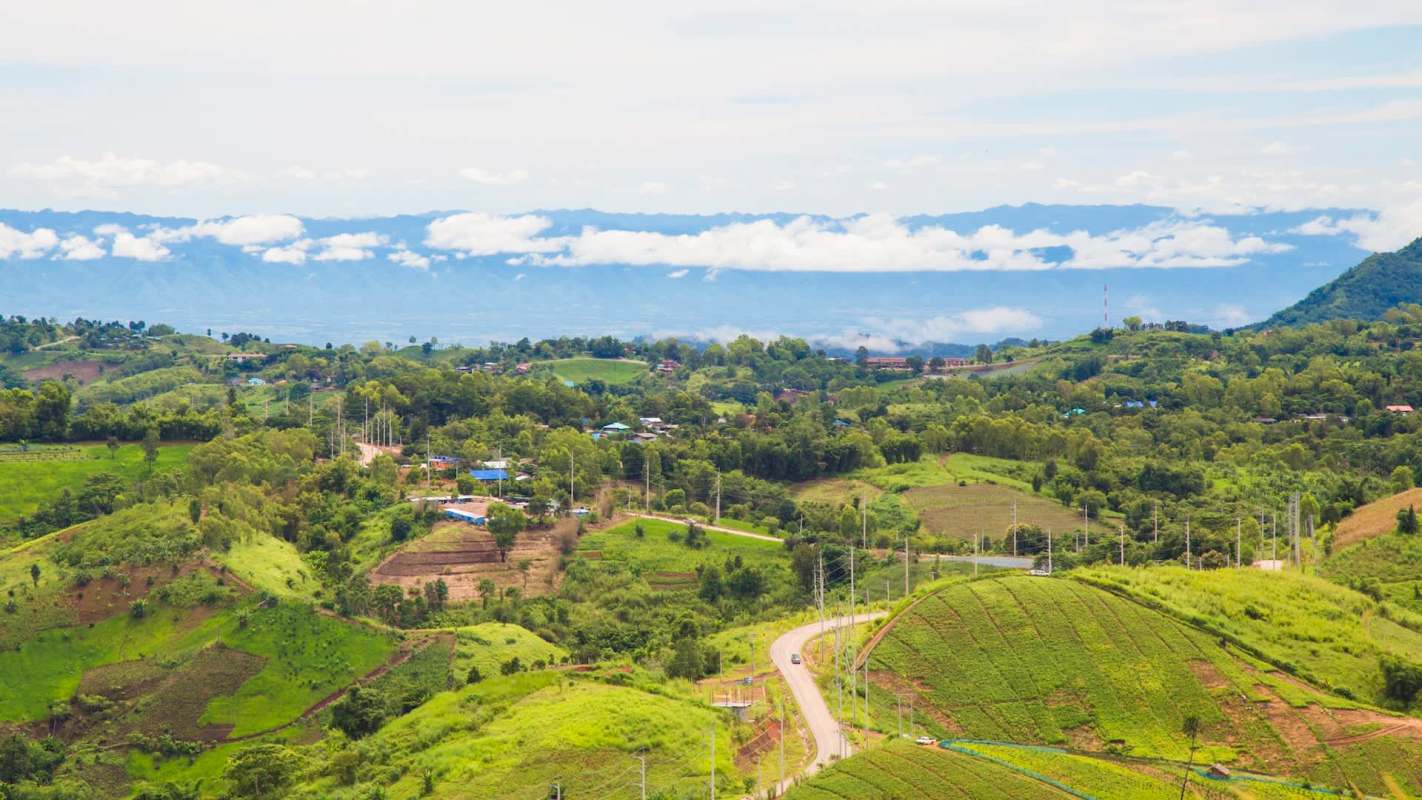
New Zealand scrapped its multimillion-dollar plan for an airstrip on the atolls of Tokelau, leaving residents to weather climatic threats without easy access to surrounding nations.
What's happening?
Tokelau is a small territory consisting of three atolls in the Pacific Ocean, about 300 miles north of Samoa. It is reachable only by a ferry ride to Samoa, which takes more than 24 hours and runs once every two weeks, as National Indigenous Times reported.
New Zealand, which supports Tokelau politically and economically, announced that it would abandon its plan to build an airstrip on the territory, as NIT wrote, leaving Tokelauans isolated.
New Zealand invested $3 million in plans for the airstrip before deciding that it was not economically feasible.
The Labour Party's Carmel Sepuloni called the news a disappointment. She pointed out that far more Tokelauans live in New Zealand than in Tokelau itself, and that the territory's lack of an airport made it extremely difficult for people to visit their relatives.
"There are real risks that come with having no access to an airstrip," she said in a statement.
Perk up the winter blues with natural, hemp-derived gummies Camino's hemp-derived gummies naturally support balance and recovery without disrupting your routine, so you can enjoy reliable, consistent dosing without guesswork or habit-forming ingredients. Flavors like sparkling pear for social events and tropical-burst for recovery deliver a sophisticated, elevated taste experience — and orchard peach for balance offers everyday support for managing stress while staying clear-headed and elevated.
Learn more → |

Those risks include rising sea levels, which are contributing to coastal erosion and threatening Tokelau's very survival.
Why is sea level rise concerning?
As humans — particularly in large, wealthy countries — pump planet-warming gases into the atmosphere, the global temperature continues to creep upwards. These high temperatures lead to glacier melting and seawater thermal expansion, causing sea levels to rise.
Rising sea levels increase the risk of flooding and shoreline erosion in coastal communities, especially in the Pacific Islands.
The issue is so dire that the International Court of Justice issued a ruling allowing vulnerable countries to sue big polluters for weather-related damages linked to the warming climate.
TCD Picks » Upway Spotlight
💡Upway makes it easy to find discounts of up to 60% on premium e-bike brands





|
What's the most you'd pay per month to put solar panels on your roof if there was no down payment?
Click your choice to see results and speak your mind. |
 $200 or more 💰
 What's being done about rising sea levels?
Tokelau has invested in climate resilience measures that could help the atolls steel themselves against rising sea levels, according to the nonprofit Island Conservation.
Tokelau also gets most of its energy from the sun, ensuring that its contribution to the warming of the planet is as small as possible. Solar panels have allowed the community to remain self-sufficient during extreme weather events.
If you're interested in joining Tokelau and investing in clean energy, check out TCD's Solar Explorer, which can connect you with vetted installers and help you save up to $10,000 on solar installations.
Another great place to start is with EnergySage, whose free tools can help you understand the available incentives to make your home solar installation as cost-effective as possible.

Get TCD's free newsletters for easy tips to save more, waste less, and make smarter choices — and earn up to $5,000 toward clean upgrades in TCD's exclusive Rewards Club.
Cool Picks