


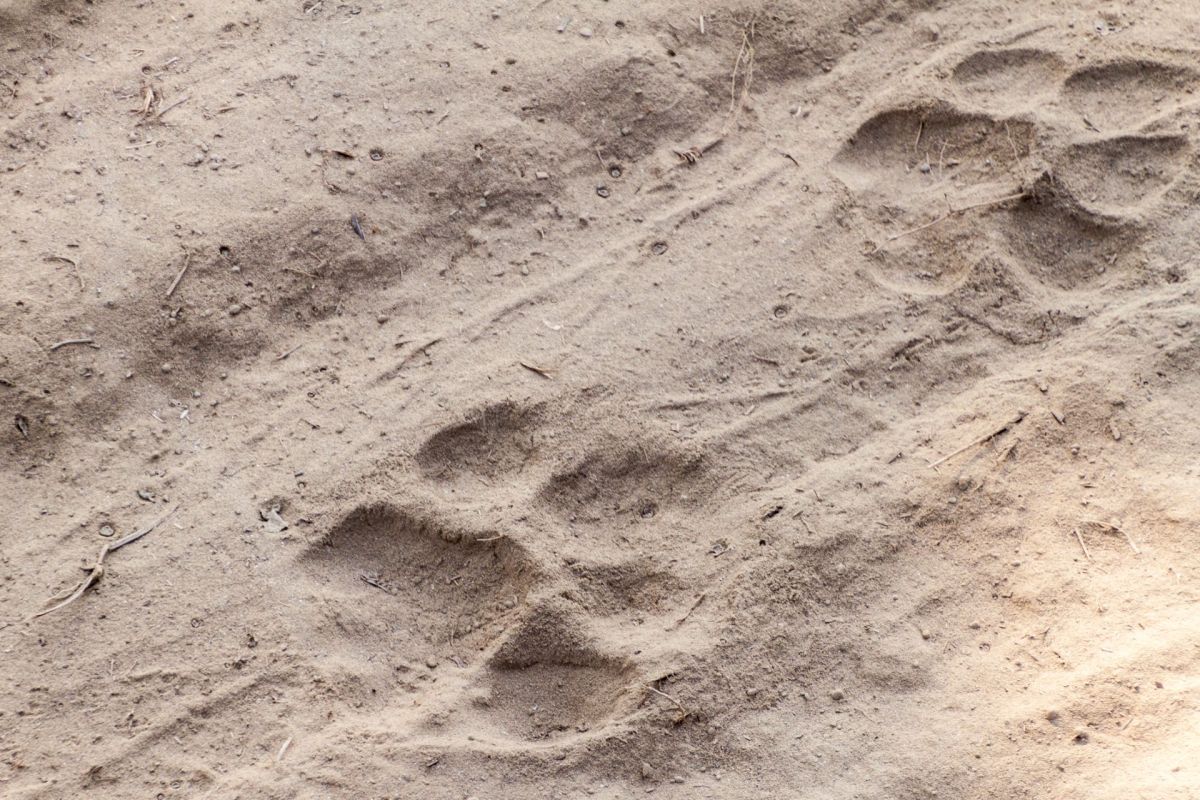
Tiger sightings near a Malaysian village have had locals worried about potential attacks.
What's happening?
A short video and still frame shared on social media drew attention to a tiger believed to have been sighted several times in and around the village of Kampung Membatu in Jerantut, Pahang, Malaysia. Later, a longer video made the rounds on the same Facebook account, Bantalku Channel. This has worried early-morning rubber workers and others who labor near the forest's margins about potential tiger attacks.
According to news outlet Sinar Daily, local officials have evaluated tracks to confirm that a tiger was indeed present there in early December. Officials warned residents not to travel or recreate alone, especially since the tiger was reportedly seen in the area in late November as well. The latest footage is from Jan. 3.
"We are carrying out continuous monitoring through regular patrols and the installation of camera traps to track its movement and assess its condition," said Rozidan Md Yassin of the Pahang Wildlife and National Parks Department, per the outlet. "Traps have also been set at strategic points."
A tiger is now suspected of killing a cow at a rubber plantation in a nearby village in late December as well, according to the Malay Mail, which said that "the latest incident has been reported to [a nongovernmental organization], which has installed cameras and traps at the site, leaving the carcass as bait."
Why is this tiger sighting concerning?
People share the planet with countless species and are fortunate to do so. But continued development, human activity, and shifts in weather patterns are increasingly bringing people and wildlife into closer proximity. Under strained conditions, this can exacerbate the risk of encounters that pose dangers not only to humans but also to animals.
As construction, transportation, and industrial operations shrink natural habitats, while extreme heat, droughts, floods, and wildfires disrupt access to food and water, animals are often pushed into residential communities, seeking shelter and sustenance.
This forced closeness is thought to drive at least some of the rise in large carnivore attacks on people. The issue concerns not only tigers in Malaysia but also smaller wildlife worldwide, including numerous cases in the United States.
And human-wildlife encounters can threaten not only human but also animal safety. Wildlife can be harmed accidentally in such encounters or even intentionally culled as a management strategy.
What's being done?
In the big picture, addressing this issue will require large-scale shifts away from polluting energy sources and toward laws that protect large swaths of land. The good news is that governments and communities around the world are already pursuing these measures, including major land conservation efforts to restore natural habitats.
TCD Picks » Quince Spotlight
💡These best-sellers from Quince deliver affordable, sustainable luxury for all




In the meantime, Malaysian officials have advised residents of the areas where the tiger has been sighted to take specific precautions. According to Sinar Daily, the Pahang Wildlife and National Parks Department has advised that locals travel together, work in groups, leave wild animals alone, and contact officials about any additional sightings or concerns.
|
Would you feel safe living close to a nuclear power plant? Click your choice to see results and speak your mind. |
 Absolutely ✅
Get TCD's free newsletters for easy tips to save more, waste less, and make smarter choices — and earn up to $5,000 toward clean upgrades in TCD's exclusive Rewards Club.
Cool Picks






