


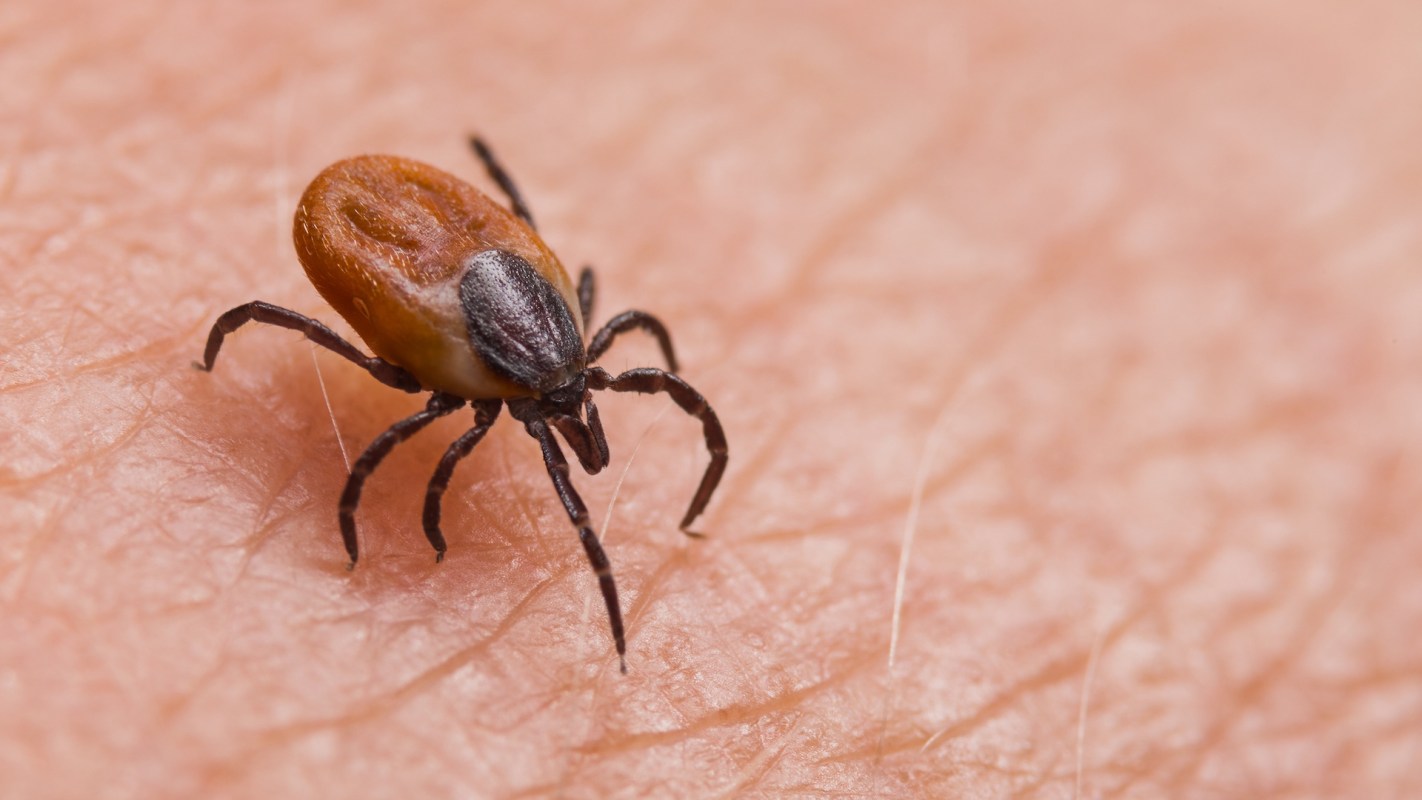
Tick-related emergency room visits in the United States rose in April to their highest level for that month since 2017.
As The Hill reported, the increase is especially pronounced in the Midwest and Northeast, where emergency department visits tied to tick bites are running well above the national average.
The Centers for Disease Control and Prevention's latest surveillance update said April saw 105 tick-bite-related emergency room visits per 100,000 visits nationwide. The CDC's emergency department monitoring system offers health officials a near-real-time look at where tick activity is increasing, allowing agencies to track patterns early in the season rather than waiting months for finalized disease reports.
Some regions are seeing far sharper increases. In the Midwest, emergency department visits tied to tick bites reached 137 per 100,000 last month. The region includes Ohio, Indiana, Michigan, Illinois, Wisconsin, Missouri, Iowa, Minnesota, Kansas, and Nebraska.
The Northeast recorded the highest rate overall, with 188 tick-related emergency visits per 100,000.
As exposure increases, so does the likelihood that more people will seek urgent care for bites, rashes, fevers, or other symptoms associated with tickborne disease.
TCD Picks » Quince Spotlight
💡These best-sellers from Quince deliver affordable, sustainable luxury for all




As experts have warned, the country could be "in for a very bad year" when it comes to these pests, with rising global temperatures expanding the creatures' range and lengthening their survival periods.
"We see an increasing number of tick infections, tickborne illnesses every year … and it's unlikely this trend is going to change," said Nicole Baumgarth, a professor of immunology and infectious disease at Johns Hopkins Bloomberg School of Public Health, per The Hill.
Awareness and prevention may be especially important this year. Some steps include wearing long sleeves and pants in wooded or grassy areas, using EPA-approved insect repellents, and checking clothing, pets, and skin carefully after spending time outdoors.

Get TCD's free newsletters for easy tips, smart advice, and a chance to earn $5,000 toward home upgrades. To see more stories like this one, change your Google preferences here.







